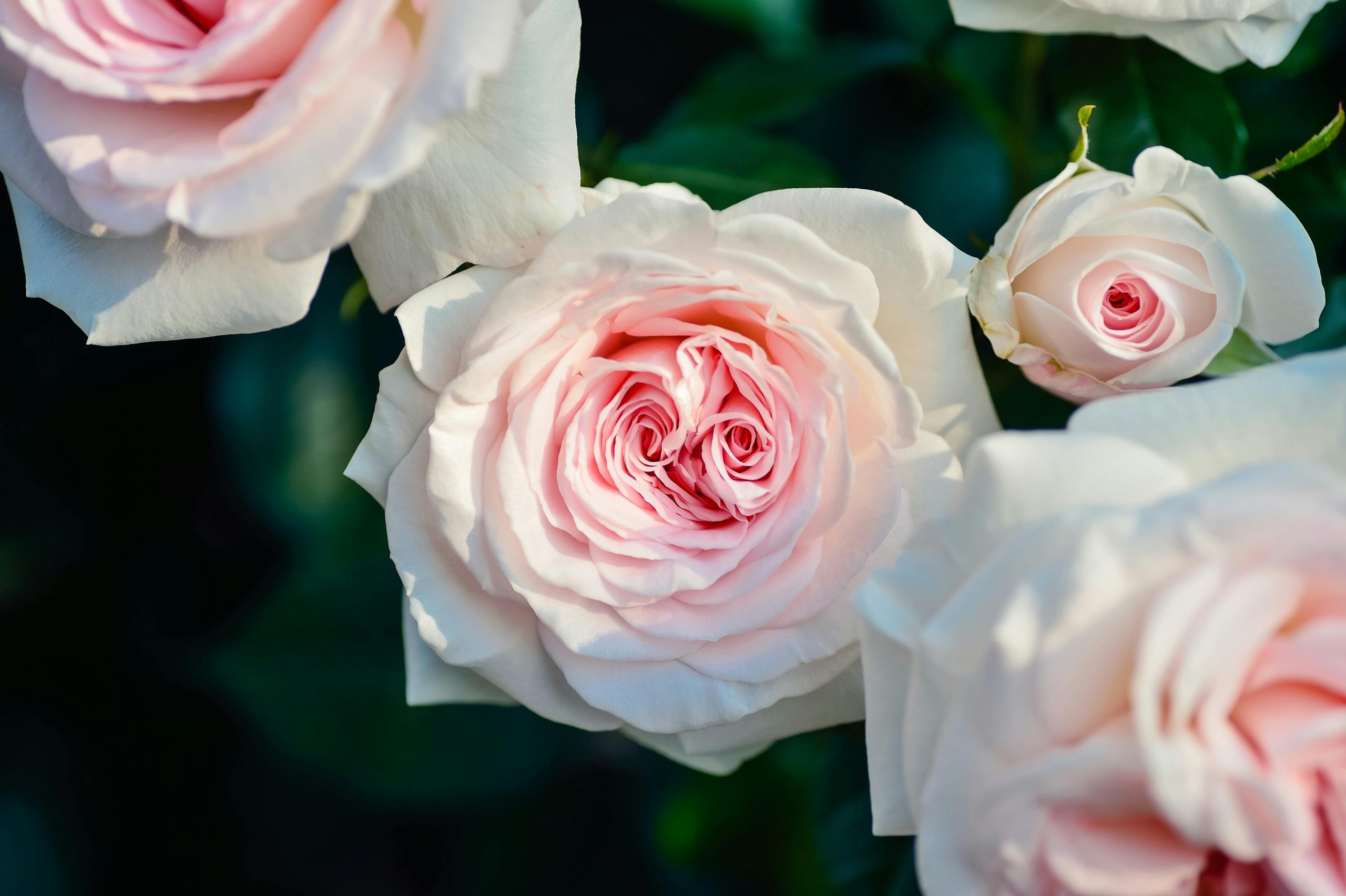
1. Proper Initial Preparation & Trimming
First impressions matter, even for flowers. The moment roses hit your countertop, they’re running on borrowed time—literally. Air bubbles can clog stems faster than a toddler jams Legos into a vacuum cleaner, blocking the uptake of water and nutrients. Counter that by recutting each stem at a 45-degree angle with a sharp knife or floral shears; the slant increases surface area and prevents the base from suction-cupping the vase bottom. Bonus points if you submerge the stem in lukewarm water while cutting—think of it as giving your bloom a straw that never loses prime.
Next, play defense against the slimy monster known as bacterial soup. Strip every leaf that would dangle below the waterline; foliage left submerged is basically a petri dish in disguise. A gentle tug downward usually does the trick—no fancy gadget required.
Thorns? If you’re worried about toddler fingers or your own penchant for dramatic gesticulation, remove them—but don’t gouge the stem’s skin. Lightly scrape with a specialized thorn stripper or the back of a knife; the vascular “plumbing” lies just under the surface, and nicking it is the floral equivalent of severing an artery.
2. Choosing the Right Vase & Water
Size matters. Pick a vessel tall enough to support at least half the stem length—roses are top-heavy divas—and wide enough that blooms aren’t playing bumper cars. Glass is ideal because you can spot early bacterial cloudiness; ceramic works if you’re religious about water changes. Before you start, scrub the vase with hot, soapy water and a splash of diluted bleach (1 tbsp per quart). A CDC guide to household sanitizing confirms that this concentration nukes bacteria without leaving a chemical after-smell.
Fill with lukewarm water—around 100 °F (38 °C). Why not cold? Warm water contains less dissolved gas, reducing air-bubble blockages, and moves faster up the stem. Aim for a water level that covers the bottom 4–6 inches of stem; any higher just speeds up rot.
3. Using Flower Food & Additives
Commercial flower food is basically a multivitamin, energy drink, and antibacterial shield rolled into one. Typical packets contain:
- Sugar – fuel for bud opening and petal color.
- Citric acid – lowers pH so water moves quicker.
- Biocide – keeps bacterial counts low.
Follow the label’s ratio—usually one packet per pint—because too much sugar without enough biocide is like handing bacteria an all-you-can-eat buffet.
Out of packets? Raid the pantry, but proceed with caution:
- Sugar + Bleach: 1 tsp sugar + 2–3 drops regular bleach per cup of water. Sugar feeds, bleach sanitizes. Over-bleach and you’ll sunburn the stems.
- Aspirin: One 325 mg tablet crushed. The salicylic acid lowers pH, but lacks sugar; pair with a pinch of sucrose.
- Vodka: A few drops can inhibit ethylene production (the ripening gas), but skip if you wouldn’t waste the good stuff on your worst ex.
4. Optimal Placement & Environmental Factors
Roses are drama queens about real estate. Direct sunlight? That’s a tanning bed they never asked for. Heat vents, radiators, or the top of the DVR? Basically a desert with Wi-Fi. Place the vase in a cool, draft-free spot—65–72 °F (18–22 °C) is the sweet spot—and keep humidity moderate (40–60 %). If your indoor air rivals the Sahara, park the bouquet away but set a small glass of water nearby to act as a passive humidifier.
Ethylene gas is the invisible villain. A study in the journal Postharvest Biology and Technology shows that even trace ethylene accelerates petal drop. Translation: keep your roses in a different ZIP code from bananas, avocados, and that fruit bowl you Instagram for #kitchengoals.
5. Ongoing Maintenance Routine
Think of this as the floral version of brushing your teeth—skip a day and things get funky fast.
- Water change: Every 48 hours, dump, rinse, and refill with fresh mix.
- Re-cut: Trim another ½-inch at a 45-degree angle each time you change water; it re-opens clogged vessels.
- Groom: Pluck wilted petals and slimy leaves before they invite their bacterial friends to the party.
While you’re at it, give the vase another quick scrub—biofilm builds faster than you can say “soap opera.”
6. Troubleshooting Common Problems
Bent Neck (Drooping Heads)
Usually an air embolism or dehydration glitch. Re-cut under water, then submerge the entire bloom and stem in a sink of lukewarm water for 30–45 minutes. Often they’ll perk up like they just heard the espresso machine.
Cloudy Water & Slimy Stems
Bacterial bloom. Toss the water, scrub the vase with a 10 % bleach solution, and re-cut stems. If slime persists, dip stem ends for 30 seconds in 70 % isopropyl alcohol, then rinse—think of it as hand sanitizer for flowers.
Petal Wilting or Buds Refusing to Open
Could be ethylene exposure, cold draft, or old stock. Move to a warmer spot (still out of direct sun) and double-check for fruit nearby. If buds stay tight after 3 days, they were likely harvested too early—blame the supply chain, not yourself.
7. Advanced Tips & Tricks
Cold Shock: Professional florists sometimes “sleep” roses at 34–36 °F overnight to slow metabolism. At home, pop the entire vase (no foliage touching the fridge walls) from 10 p.m. to 6 a.m.; keep fruit out of the fridge to avoid ethylene. Not mandatory, but can add 2–3 days to tired blooms.
Misting: Lightly misting petals raises humidity and can prevent edge browning—if your climate is arid. Skip it in already humid rooms; water sitting on petals invites Botrytis, the fuzzy gray mold nobody ordered.
Variety Tweaks: Hybrid teas have sturdy stems but huge water demands—top up daily. Garden roses (cabbage types) open fast; harvest them slightly tighter and keep them cooler to slow the show. Spray roses sport multiple small blooms; remove spent ones promptly to redirect energy.
Frequently Asked Questions (FAQ)
How long should roses last in a vase?
With proper care, 7–10 days is realistic; premium varieties can hit two weeks.
Can I use soda or pennies?
Soda’s sugar feeds bacteria faster than your kids devour Halloween candy. Pennies deliver negligible copper ions—save them for parking meters.
Cold or warm water?
Lukewarm wins for uptake; cold is fine for maintenance refills if the stems are already primed.
Why won’t my buds open?
Immature harvest or chilly temps. Shift to 70–75 °F and ensure flower food is present.
How do I revive wilted roses?
Deep-water submersion + fresh cut + cool room. If they don’t respond in 2 hours, compost and console yourself with a new bouquet.
Conclusion
Clean vase, fresh water, a pinch of flower food, angled trims, and a cool, fruit-free spot—those five habits are the rose equivalent of eight hours of sleep and a green smoothie. Nail them consistently and you’ll turn a fleeting romantic gesture into a week-long centerpiece. Go on, give your roses the spa treatment they never knew they needed; your future self (and your Instagram grid) will thank you.
References & Further Reading
Mayo Clinic: Bleach Safety for Home Use
University of Minnesota Extension: Caring for Cut Flowers
Royal Horticultural Society: Extending Vase Life
Floralife Flower Food Products