The Multifaceted Charm of Lilacs
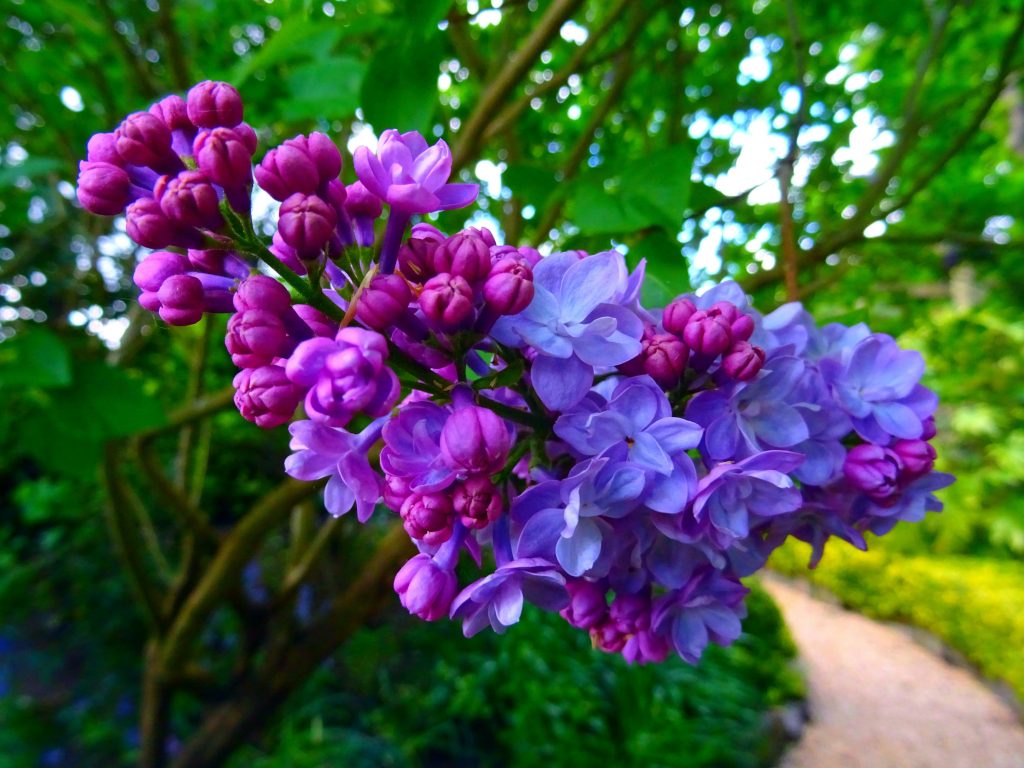
Walk past a blooming lilac in late April and you’ll do the involuntary “mm-mm” head-swivel that makes passers-by think you’re auditioning for a perfume commercial. That cloud of lavender, purple, or creamy-white blossoms is only the opening act. Lilacs are the Swiss-army-knife of the plant world: they flavor cakes, perfume soaps, star in poems, anchor butterfly gardens, and—if you believe Victorian flower dictionaries—whisper “I’m still thinking about that awkward first love.” In short, lilac benefits explained: uses, symbolism, and garden value reveal a shrub that’s as practical as it is pretty.
Lilac Benefits: An Overview
Strip away the romance and lilacs still punch above their weight. The flowers are edible (yes, really), the scent molecules have mild calming properties according to Healthline’s overview of lilac essential oil, and the shrub itself is practically drought-proof once established. Add the pollinator buffet, the low-maintenance personality, and the fact that a single branch in a mason jar can out-perform a scented candle, and you’ve got a plant that earns its keep in every season—even when it’s just a quiet bundle of heart-shaped leaves in December.
Practical Uses of Lilacs
Medicinal and Culinary Uses
Nineteenth-century doctors steeped lilac bark to tame fevers; modern herbalists caution that evidence is anecdotal but agree the flowers make a delicately floral simple syrup. Fold the syrup into whipped cream for strawberry-shortcake 2.0, or freeze in ice-cube trays for pastel party cubes. The petals themselves are safe to nibble—think of them as nature’s sprinkles, only with a whisper of citrus and none of the neon dye.
Aromatic and Fragrance Uses
Can’t spring for designer perfume? Simmer a handful of blossoms in a covered pot for 20 minutes, strain, and add the cooled liquid to a spray bottle with a splash of vodka (the cheap stuff works) for a room mist that actually smells like spring instead of “spring limited edition.” A 2022 New York Times Wirecutter guide notes that floral water diffusions can reduce indoor stale odors just as effectively as commercial plug-ins—minus the mystery chemicals.
Crafts and Decorative Uses
Pressed lilac blooms keep their color surprisingly well. Slip them between parchment, stack under a pile of cookbooks for two weeks, then embed in homemade candles or resin coasters. Wedding planners on Etsy charge boutique prices for exactly this “rustic chic” look; your only overhead is patience and a library card to weigh the pages down.
Symbolism and Meaning of Lilacs
Historical and Cultural Symbolism
In Greek mythology, the nymph Syringa (yes, that’s lilac’s botanical genus) turned herself into a hollow reed to escape Pan’s advances—hence the name “syringe,” because Pan cut the reeds to make his pipes. Early American settlers planted lilacs by the door to ward off evil; New England graveyards still feature 200-year-old shrubs that bloom ghost-white each May.
The Language of Flowers (Floriography)
Victorian flower dictionaries assigned purple lilacs the bittersweet message “first emotions of love,” while white lilacs declared youthful innocence. Slip either into a bouquet and you’ve basically sent a 19th-century text message: “I like you, but my corset is too tight to say it aloud.”
Lilacs in Literature, Art, and Mythology
Walt Whitman’s “When Lilacs Last in the Dooryard Bloom’d” turned the shrub into an elegy for Lincoln; T.S. Eliot used lilacs to symbolize memory’s stubborn persistence in “The Waste Land.” Even Disney got in on the act—Snow White’s forest is dotted with syringa bushes, animators admitted, because the heart-shaped leaves read instantly as “wholesome” to the human eye.
Symbolic Uses Today
Modern therapists sometimes bring lilac sprigs into grief groups; the scent triggers the olfactory bulb’s direct hotline to the limbic system, nudging clients toward gentle reminiscence. Graduation corsages? Lilacs signal “remember this moment,” minus the prom-level rose cliché.
Lilac Garden Value and Benefits
Ornamental Value in Landscape Design
A mature common lilac (Syringa vulgaris) can hit 12 feet, making it the perfect living screen for that neighbor who practices tuba at dusk. New dwarf cultivars like ‘Bloomerang’ stay under 4 feet—ideal for condo patios where a full-size shrub would look like Godzilla in a bonsai show.
Attracting Pollinators and Wildlife
Monarch butterflies cruise lilac panicles like it’s an all-you-can-sip nectar bar. A 2020 Xerces Society trial ranked common lilac in the top 10 of early-season nectar sources for native bees in northern states—beating out many native plants because it blooms exactly when overwintered queens emerge, desperate for fuel.
Low Maintenance and Hardiness
USDA Zones 3–7, drought-tolerant, deer-resistant (they hate the bitter bark), and happy in crummy clay soil—lilacs are the horticultural equivalent of that friend who camps without a sleeping bag and still wakes up cheerful.
Versatility in Garden Settings
Use them as a single specimen by the mailbox, a staggered hedge along the driveway, or a mixed-shrub backdrop with ninebark and spirea for a “I meant to look this casual” cottage vibe.
Selecting Lilac Varieties for the Garden
Want fragrance plus rebloom? Try ‘Bloomerang Purple.’ Prefer classic French hybrids with double petals? Look for ‘Madame Lemoine,’ named after the nursery wife who oversaw 200+ cultivars. Early-bloom fan in Zone 8? Seek out cut-leaf Syringa laciniata; it tolerates heat that makes vulgaris throw in the towel.
Growing and Caring for Lilacs
Essential Growing Requirements
Full sun (six hours minimum), decent air circulation to dodge powdery mildew, and neutral to slightly alkaline soil—if your pH is below 6.5, toss a cup of garden lime into the planting hole like you’re salting pasta water.
Planting and Initial Care
Plant in spring or fall, keeping the crown an inch above soil level—lilacs hate wet feet. Water deeply once a week for the first season, then only during epic droughts. Think of it as training a teenager: set boundaries early, then back off.
Pruning Techniques for Optimal Blooms and Health
Prune right after bloom; waiting longer nixes next year’s buds. Remove one-third of the oldest canes at ground level each year for three years—botanical equivalent of a staggered retirement plan. Deadhead spent blooms if you’re OCD, but nature will do it for you by July.
Common Pests and Diseases Management
Powdery mildew looks like your shrub was dusted with flour; increase airflow and skip overhead watering. Lilac borers leave sawdust at the base—probe with a wire, then channel your inner surgeon. If scale insects appear, a dormant-season horticultural oil spray smothers them faster than a weighted blanket.
Frequently Asked Questions (FAQ) About Lilacs
What do lilacs symbolize?
Traditionally: first love, remembrance, and the fragile edge between innocence and experience. Translation: perfect for exes you still Instagram-stalk.
Are lilac flowers edible?
Yes, but eat in moderation; they contain mildly astringent tannins. Skip roadside blooms (road salt is not a garnish) and confirm no pesticides were applied.
How and when should I prune my lilac bush?
Immediately after flowering, remove dead wood and thin out one-third of old canes. Late pruning = no flowers next spring—like deleting your alarm app and wondering why you overslept.
Why isn’t my lilac blooming?
Top culprits: too much shade, over-fertilization (they’re not corn), or pruning at the wrong time. Sometimes a late freeze nukes the buds; blame climate roulette and try a more cold-tolerant cultivar.
What are the best companion plants for lilacs?
Underplant with drought-tolerant catmint or creeping phlox for front-row color. Later-blooming hydrangeas extend the show once lilacs exit stage left.
Conclusion: Maximizing Lilac Benefits
Whether you’re simmering petals into syrup, pressing them into graduation keepsakes, or simply letting a 100-year-old specimen shade your porch swing, lilacs reward every sense and season. Treat them like the low-maintenance stalwarts they are, and they’ll keep delivering fragrance, folklore, and floral selfies year after year—no corset or mythology degree required.
References and Further Reading
Explore more via Missouri Botanical Garden’s lilac database, the Xerces Society pollinator plant list, or pick up Lilacs: A Gardener’s Encyclopedia by Father John Fiala—the horticultural bible even your local library’s gardening club swears by.