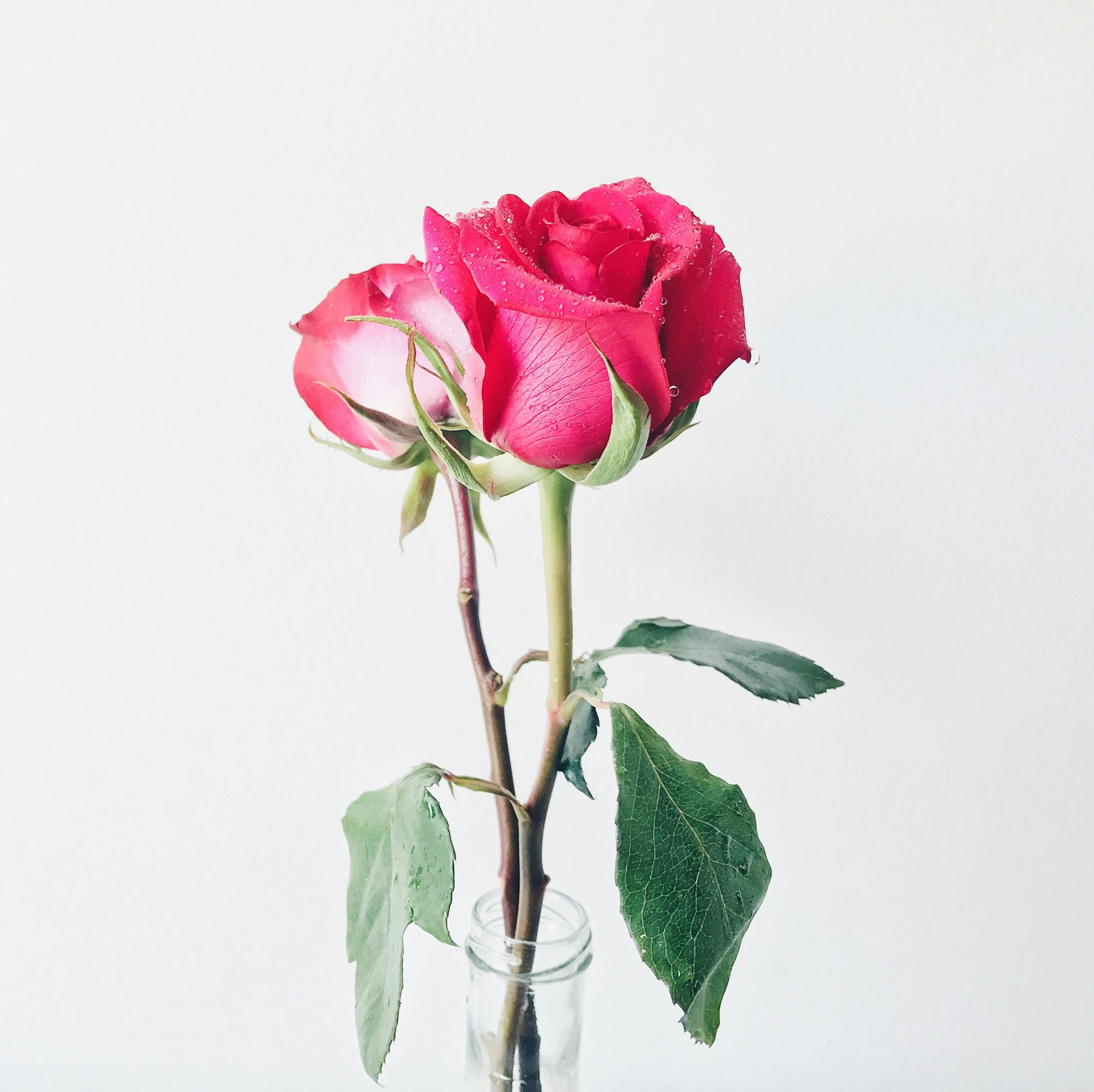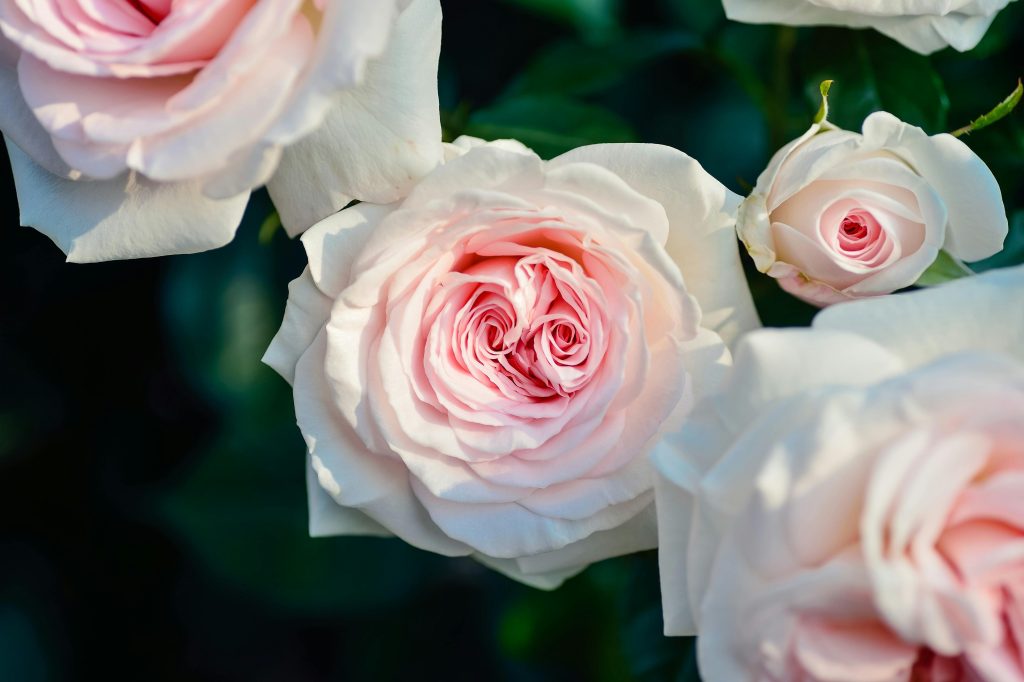
Picture a frosty morning, your breath fogging the air, and—wait—is that a single scarlet rose unfurling among bare branches? Cue the double-take. Winter roses feel like spotting a flamingo in Times Square: mesmerizing, slightly surreal, and definitely not the norm. So, can roses actually bloom while the rest of the garden hibernates? The short answer: yes, but only when Mother Nature eases up on the chill button and you (or the rose) pick the right dance partners—mild temperatures, forgiving varieties, and a dash of luck. Below, we’ll unpack the science, the myths, and the how-to so you can decide whether to chase that snowy-showstopper moment or simply let your bushes snooze until spring.
1. The Direct Answer: Can Roses Bloom in Winter?
1.1. Can Roses Actually Flower in Cold Winter Weather? In the classic, snowy, hot-cocoa sense of “winter,” no—most roses would rather snap-dry than open petals. Flower buds are 90 percent water balloons; once temps dip below about 25 °F (-4 °C), ice crystals shred the cells and that bud becomes botanical confetti. However, if “winter” means San Diego, Lisbon, or a sheltered U.K. seaside town—think 40-60 °F (4-15 °C) days—then yes, many modern roses keep right on performing.
1.2. Is Natural Winter Blooming Common for Most Gardeners? For anyone north of USDA Zone 8, spotting an outdoor rose in December is lottery-level luck. Cold-zone gardeners are far more likely to see snowmen than rosebuds.
1.3. The Key Condition: Mild Winter Temperatures. Consistently cool-but-not-freezing weather is the golden ticket. When night lows stay above 32 °F (0 °C) and daytime highs linger in the 50s °F (10 °C+), roses don’t receive the “shutdown” memo, so their internal chemistry keeps cranking out blooms.
2. Understanding the Standard Rose Cycle: Bloom Season & Dormancy
2.1. The Typical Rose Blooming Season (Spring to Fall). Most bush and climbing roses hit their stride once spring nights stabilize above 35 °F. They peak in early summer, take a breather during the dog days, then rally for a fragrant encore in early autumn.
2.2. What is Rose Dormancy and Why Does it Happen? Dormancy is the plant version of curling up under a weighted blanket. Shorter daylight and chilly soil trigger hormonal changes: sugars convert to starches, leaves drop, and the bush diverts energy to its roots. This timeout prevents freeze damage and resets the flowering cycle.
2.3. How Freezing Temperatures Halt Bud Development. When the mercury plunges, water inside the cambium layer (the living “plumbing”) turns to ice, expanding and rupturing cells. Any nascent buds essentially get frostbite, turning brown or black. No functional cells, no bloom—game over until new growth appears in spring.
3. Key Factors That Influence Winter Flowering
3.1. Climate Zone is Crucial: Warm Winters (USDA Zones 9-11+). If you can grow citrus without wrapping it in Christmas lights, odds are you can coax roses into winter color. The American Rose Society notes that in coastal California and the Gulf South, floribundas and shrub roses often flower right through December.
3.2. Rose Variety Matters: Repeat-Bloomers vs. Once-Bloomers. Choose “remontant” (repeat-flowering) types—think Knock Out®, Iceberg, or David Austin’s English roses. Once-blooming heritage varieties (e.g., many Gallicas) set buds only on old wood produced the previous year; they refuse an encore regardless of how balmy December feels.
3.3. The Role of Microclimates and Winter Protection. A south-facing brick wall absorbs daytime heat and radiates it after sunset, creating a bubble that can be a full zone warmer than the open yard. Similarly, urban heat islands let Londoners harvest roses on Christmas morning—sometimes.
3.4. Care Practices: Fall Pruning and Fertilization Effects. Heavy nitrogen in October = tender new growth that gets zapped by frost. Skip the fertilizer by late summer and prune lightly (if at all) in warm climates so you don’t remove the very canes that could sport winter buds.
4. Encouraging and Protecting Roses in Mild Winters
4.1. How to Protect Buds and Bushes for Potential Winter Blooms.
- Mound 4–6 in (10–15 cm) of mulch or compost around the crown to buffer soil temps.
- Drape frost cloth over bushes on the rare nights temps threaten 28 °F (-2 °C); remove at sunrise.
- Water deeply before a predicted cold snap—moist soil holds more heat than dry.
4.2. Care Tips for Roses in Mild Winter Climates.
- Deadhead spent blooms promptly; seed-hip production saps energy that could fuel new flowers.
- Monitor for aphids and mildew, which thrive in cool, humid conditions. A simple horticultural oil spray keeps both in check.
- Apply a potassium-rich fertilizer (the middle number on the bag) in early November to strengthen cell walls without pushing leafy growth.
4.3. Forcing Blooms Indoors with Potted Miniature Roses. No mild winter outside? Cheat. Bring a potted miniature rose (grocery-store rescues welcome) into an unheated but bright sunroom kept around 55 °F (13 °C). You’ll trick the plant into thinking it’s an early-spring day and harvest blooms for the dinner table while snow drifts past the window.
5. Clarifying “Winter” for Roses: Mild vs. Severe
5.1. Defining “Winter” in Gardening Terms. Meteorological winter (Dec-Feb) is less relevant than the lowest temperature your garden hits. A Zone 10 “winter” is basically early spring for a Zone 5 gardener.
5.2. Cool-Season Growth vs. Survival in Deep Freeze. Roses happily photosynthesize at 45 °F (7 °C) if sunlight is adequate. What they can’t survive is the internal ice formation that comes with sub-freezing temps.
5.3. What Happens to Rose Buds During a Hard Freeze? Ice crystals spear through cell walls, turning tight buds into mush. Even if the cane survives, those buds are toast; the plant must sprout new vegetative growth and start over.
6. Frequently Asked Questions (FAQ)
Q1: I live in a cold zone (e.g., USDA 5). Will my roses ever bloom in winter?
Outdoors? Highly unlikely. Your best bet is the indoor-forcing trick or a heated greenhouse.
Q2: Which rose varieties are most likely to give me winter flowers in a warm climate?
Look for ever-blooming shrubs and floribundas: Iceberg, Lady of Shalott, Peach Drift, or any Knock Out® family member.
Q3: Should I prune my roses in fall if I want winter blooms?
In mild regions, only light grooming—remove dead wood and faded blooms. Save hard restructuring for late winter/early spring.
Q4: Is a winter-blooming rose damaged or confused?
Not necessarily. If temps stay above freezing, the rose is simply doing its job: flowering when conditions allow.
Q5: Can I use a greenhouse to make roses bloom in winter anywhere?
Absolutely. Keep temps above 40 °F (4 °C) at night, ventilate on sunny days, and provide supplemental light if daylight drops below 6 hours.
7. Expert Tips and Best Practices
Prioritizing Plant Health Over Forcing Winter Blooms. Remember, roses need their downtime. Repeatedly preventing dormancy can weaken the plant, making it prone to disease. Treat winter blooms as a bonus, not an entitlement.
The Importance of Your Local Climate and Consulting Zone Maps. Check the USDA Plant Hardiness Zone Map (or the Royal Horticultural Society’s equivalent in the U.K.) to set realistic expectations.
Observing Your Own Garden’s Microclimate. Buy an inexpensive min-max thermometer and track overnight lows for one winter. You may discover that the south side of your garage stays 5 °F warmer—prime real estate for a winter-bloom experiment.
8. Additional Resources and Authority Links
Need deeper dives? The American Rose Society offers regional growing guides, while the World Federation of Rose Societies lists clubs across 41 countries—handy for finding open garden days in January. For science-backed physiology, the University of California’s Agriculture and Natural Resources portal hosts free articles on rose chill hours and dormancy.
Conclusion
Winter roses aren’t fake news—they’re just picky about their stage. Give them a mild climate, a repeat-blooming variety, and a gardener who resists the urge to over-prune and over-feed, and you might just harvest a bouquet while the neighbors scrape windshields. For everyone else, let the bushes rest; a rose that sleeps well in December will sing louder in April. Whether you’re gifted an out-of-season bloom or simply dream of one, remember: every flush of petals is nature’s reminder that patience—and the right weather—makes everything bloom in due time.