The Short Answer
Gladiolus are technically perennials, but whether they behave as perennials in your garden depends entirely on where you live. In warm climates (USDA zones 7-10), gladiolus corms can stay in the ground year-round and return each year. In colder regions, they’re typically grown as annuals or dug up and stored indoors for winter.
This climate-dependent behavior often confuses new gardeners, but understanding why gladiolus sometimes come back and sometimes don’t will help you grow these stunning flowers successfully in any region.
Understanding Gladiolus Biology
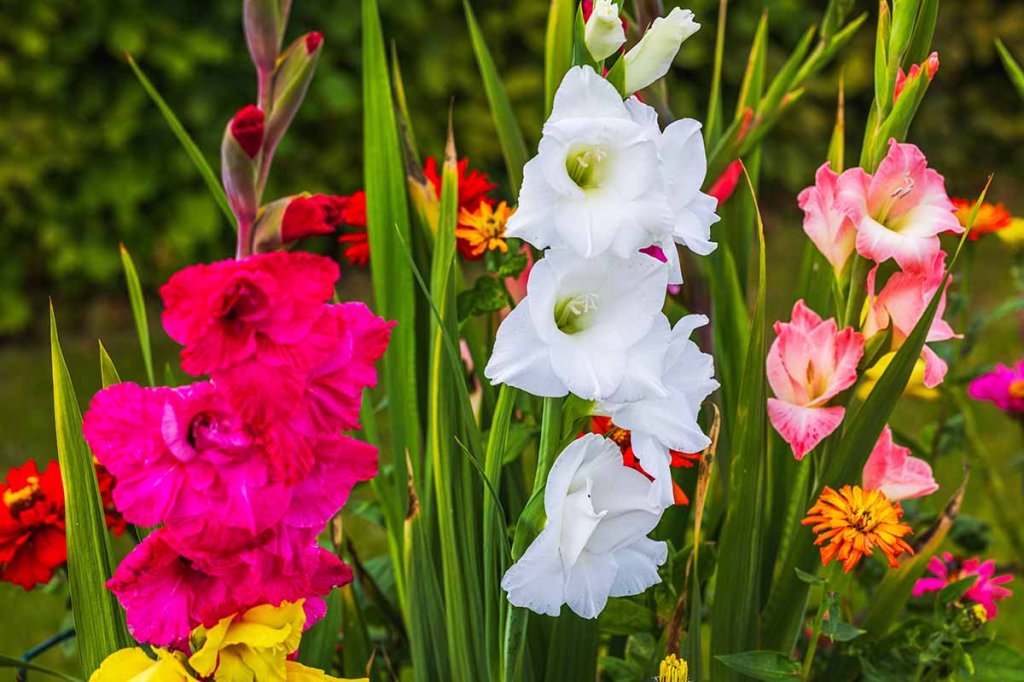
Gladiolus grow from corms – underground storage organs similar to bulbs but structurally different. Each corm contains all the energy and genetic material needed to produce a new plant. After flowering, the original corm withers away, but a new corm forms on top of it, along with smaller cormels (baby corms) around the base.
This reproductive strategy means gladiolus are designed to persist from year to year. In their native South Africa and Mediterranean regions, they experience mild winters that allow corms to remain in the ground year-round. The confusion about their perennial or annual status arises from what happens in climates unlike their native habitat.
Climate Zones: The Deciding Factor
Zones 7-10: True Perennials
In USDA hardiness zones 7 through 10, winter temperatures rarely drop low enough to damage gladiolus corms in the ground. These gardeners can treat gladiolus as true perennials:
- Leave corms in the ground after foliage dies back
- Apply a layer of mulch in fall for added protection
- Corms will sprout and bloom again the following year
- Plants may even multiply over time
Even in these zones, exceptionally cold winters or poor drainage can cause losses. Good soil drainage is essential for overwintering success.
Zones 6 and Colder: Annuals or Stored Perennials
In zones 6 and below, winter temperatures typically damage or kill gladiolus corms left in the ground. Gardeners here have two options:
Option 1: Grow as annuals
- Plant new corms each spring
- Enjoy the blooms
- Let frost kill the plants
- Buy new corms next year
Option 2: Dig and store for winter
- Lift corms in fall before hard frost
- Store properly through winter
- Replant in spring
- Enjoy the same corms year after year
The second option requires more effort but allows you to treat gladiolus as perennials regardless of your climate.
How to Overwinter Gladiolus Corms
If you live in a cold climate and want to save your gladiolus for next year, follow these steps:
Step 1: Let Foliage Mature
After flowering, don’t cut back the leaves immediately. The foliage continues photosynthesizing and storing energy in the developing new corm. Wait until the leaves turn yellow and die back naturally, typically 6-8 weeks after blooming.
Step 2: Dig Carefully
Use a garden fork to lift corms, working carefully to avoid damaging them. Shake off excess soil, but don’t wash them – moisture promotes rot during storage.
Step 3: Cure the Corms
Place corms in a warm, well-ventilated location for 1-2 weeks to cure. This allows the outer skin to toughen and any wounds to heal. A garage, shed, or covered porch works well.
Step 4: Clean and Prepare
Once cured, remove the old, shriveled corm from beneath the new one. Also remove any small cormels if desired (these can be saved and grown on, but take 2-3 years to reach flowering size). Trim stems to about 1-2 inches.
Step 5: Store Properly
Store corms in:
- Paper bags, mesh bags, or cardboard boxes
- Single layers or loosely piled
- A cool (40-50°F / 4-10°C), dry, dark location
- With good air circulation
Check periodically through winter and discard any that show signs of rot or shriveling. Avoid plastic bags, which trap moisture and encourage mold.
Planting Gladiolus for Best Results
When to Plant
Plant gladiolus corms in spring after all danger of frost has passed and soil has warmed. For continuous blooms, plant in succession – every 1-2 weeks from early spring to early summer. Most varieties bloom approximately 90 days after planting.
Where to Plant
- Light: Full sun (6+ hours of direct sunlight) produces the best flowering. In hot climates, afternoon shade can help blooms last longer.
- Soil: Well-draining soil is critical. Heavy clay or waterlogged sites cause corm rot. Amend with compost to improve drainage and fertility.
- Wind protection: Tall varieties need shelter from strong winds that can snap stems.
How to Plant
- Depth: Plant corms 4-6 inches deep, deeper in sandy soil
- Spacing: Space 3-6 inches apart, depending on variety
- Orientation: Plant with the pointed side (growth tip) facing up
Ongoing Care
Watering
Keep soil consistently moist but not soggy. Water deeply once or twice a week, depending on weather. Reduce watering after foliage begins to yellow in fall.
Fertilizing
Apply a balanced fertilizer when plants are 6-8 inches tall, and again when flower spikes begin to form. Avoid high-nitrogen fertilizers, which promote foliage at the expense of flowers.
Staking
Many gladiolus varieties grow 3-5 feet tall and may need support. Install stakes at planting time to avoid damaging corms later, or use grow-through supports. Tie stems loosely to stakes with soft twine or plant ties.
After Blooming
Cut flower spikes for arrangements freely – this won’t harm the corm. For garden display, deadhead spent flowers to keep plants looking tidy, but leave foliage intact until it yellows naturally.
Common Problems
Thrips
These tiny insects are the most common gladiolus pest. They cause silvery streaks on leaves and flowers and can ruin blooms. Prevent by planting in well-ventilated areas and removing plant debris. If problems persist, insecticidal soap or neem oil can help.
Corm Rot
Caused by poorly draining soil or overwatering. Ensure good drainage and don’t plant in low spots where water collects. Discard any soft or mushy corms before planting or storing.
Falling Over
Usually caused by wind, heavy flower spikes, or shallow planting. Stake tall varieties and plant corms at the proper depth.
No Flowers
May result from planting too early (cold soil), immature corms, insufficient sunlight, or poor soil fertility. Purchase corms from reputable suppliers and ensure planting site meets requirements.
Quick Reference Guide
| Factor | Details |
|---|---|
| Botanical status | Perennial (from corms) |
| Hardiness zones | 7-10 (corms left in ground); colder zones require digging |
| Planting time | Spring, after last frost |
| Days to bloom | ~90 days from planting |
| Light needs | Full sun (6+ hours) |
| Planting depth | 4-6 inches deep |
| Height | 2-5 feet depending on variety |
| Storage temperature | 40-50°F (4-10°C) in winter |
Final Thoughts
So, are gladiolus perennials or annuals? The answer is: they’re perennials that you might need to treat as annuals depending on your climate. This flexible nature makes them suitable for gardens across the country, from warm southern gardens where they naturalize happily, to cold northern yards where they provide spectacular summer color with a bit of extra effort.
The key to success is understanding your zone and choosing the appropriate management strategy. In warm climates, plant and forget – they’ll return year after year. In cold climates, either replant annually or commit to the digging and storing routine that allows the same corms to grace your garden for many seasons.
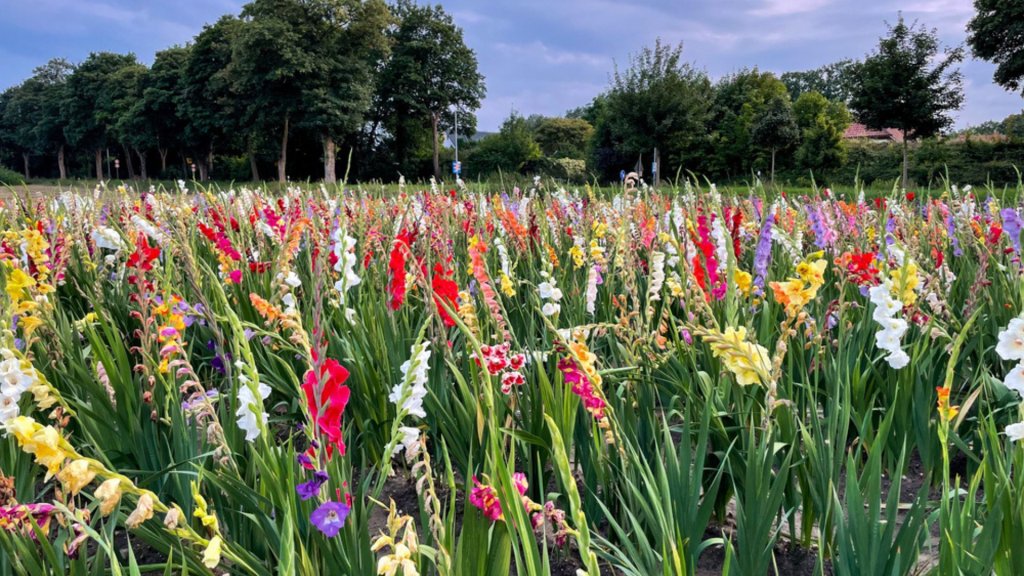
Either way, the dramatic flower spikes of gladiolus make them well worth growing. Their tall, elegant blooms in colors ranging from pure white through pinks, reds, oranges, and purples add vertical interest and cutting garden appeal that few other flowers can match.
For more detailed growing information, visit Gardener’s Path, Longfield Gardens, and The Spruce.