What Are Temperate Climate Plants?
Temperate climate plants are species that thrive in regions with four distinct seasons—spring, summer, fall, and winter—plus moderate rainfall patterns and temperatures that typically include both warm summers and cool to cold winters. If you garden in much of North America, Europe, parts of Asia, Australia, New Zealand, or South America’s southern cone, you’re likely in a temperate zone.
In practical gardening terms, temperate climates often align with USDA Hardiness Zones 4–8 (though many temperate areas fall slightly outside this range). The best temperate plants tolerate seasonal temperature swings, benefit from winter dormancy (many perennials), and can handle spring/fall transitions without collapsing from heat or cold.
How to Choose Plants for a Temperate Climate
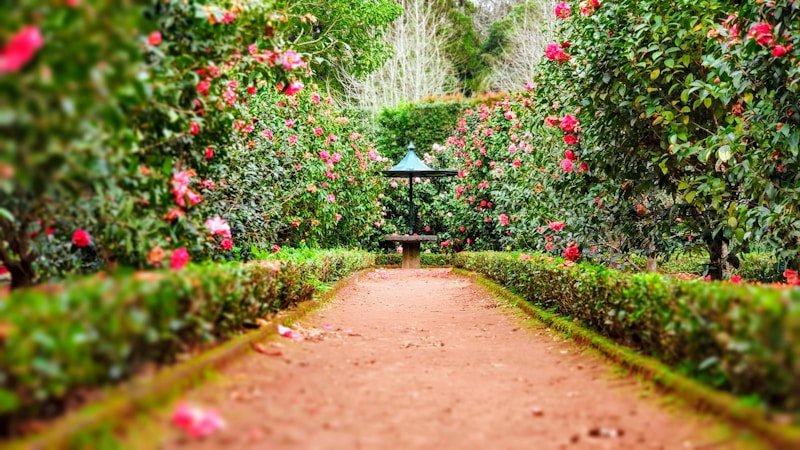
A “temperate garden” can still vary widely depending on rainfall, summer heat, humidity, and winter lows. Before buying plants, consider these selection factors:
1) Your Hardiness Zone (Winter Cold)
- Choose plants hardy to your zone (or colder).
- In borderline areas, microclimates (south walls, wind exposure, urban heat) matter.
2) Summer Heat & Sun
- Some temperate regions have mild summers; others have hot spells.
- Match full-sun plants to 6–8+ hours of sun; choose part-shade plants where afternoons are harsh.
3) Soil Drainage
- Many temperate perennials hate wet winter soil.
- Improve drainage with compost, grit, raised beds, or correct planting depth.
4) Bloom & Interest Across Seasons
- Combine spring bulbs, summer perennials, fall color shrubs, and winter structure evergreens.
Best Temperate Climate Plants (By Category)
Below is a curated list of 40+ temperate-climate winners—reliable, widely available, and proven to perform in four-season gardens.
A. Hardy Perennials (Reliable, Long-Lived)
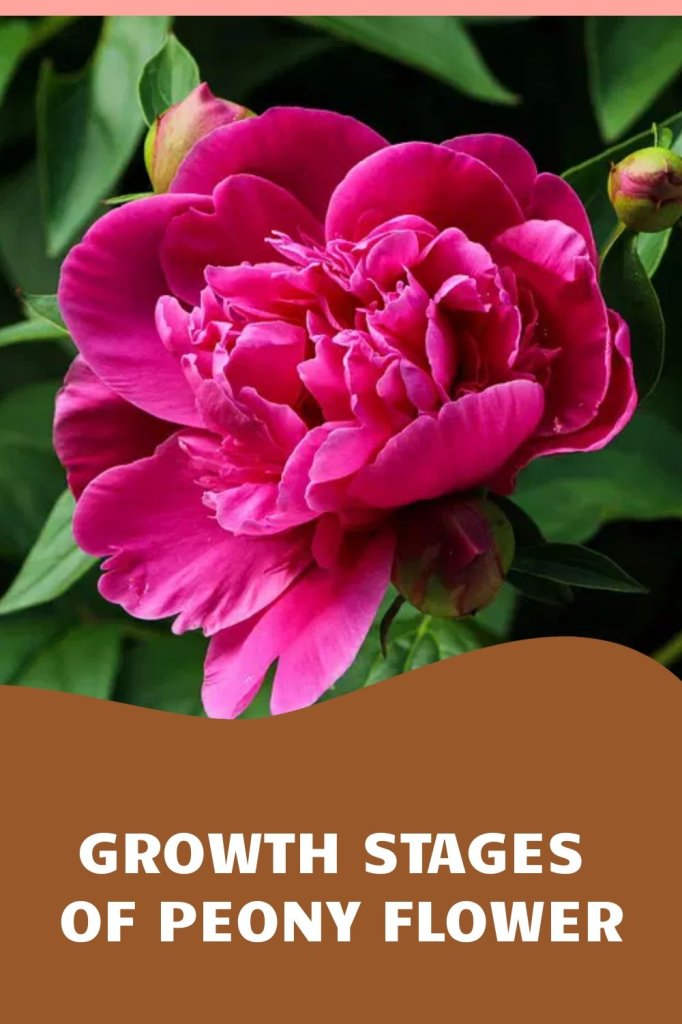
1) Peony (Paeonia)
- Season: Late spring/early summer blooms
- Why it works: Loves winter chill; long-lived, low maintenance
- Sun: Full sun to light shade
2) Daylily (Hemerocallis)
- Season: Summer blooms; many rebloom
- Why it works: Tough, drought tolerant once established
- Sun: Full sun
3) Coneflower (Echinacea)
- Season: Summer–fall
- Why it works: Pollinator-friendly; drought tolerant
- Sun: Full sun
4) Black-Eyed Susan (Rudbeckia)
- Season: Mid-summer–fall
- Why it works: Bright color, hardy, easy to grow
5) Salvia (Perennial types)
- Season: Late spring–summer (often rebloom with deadheading)
- Why it works: Drought tolerant; bee favorite
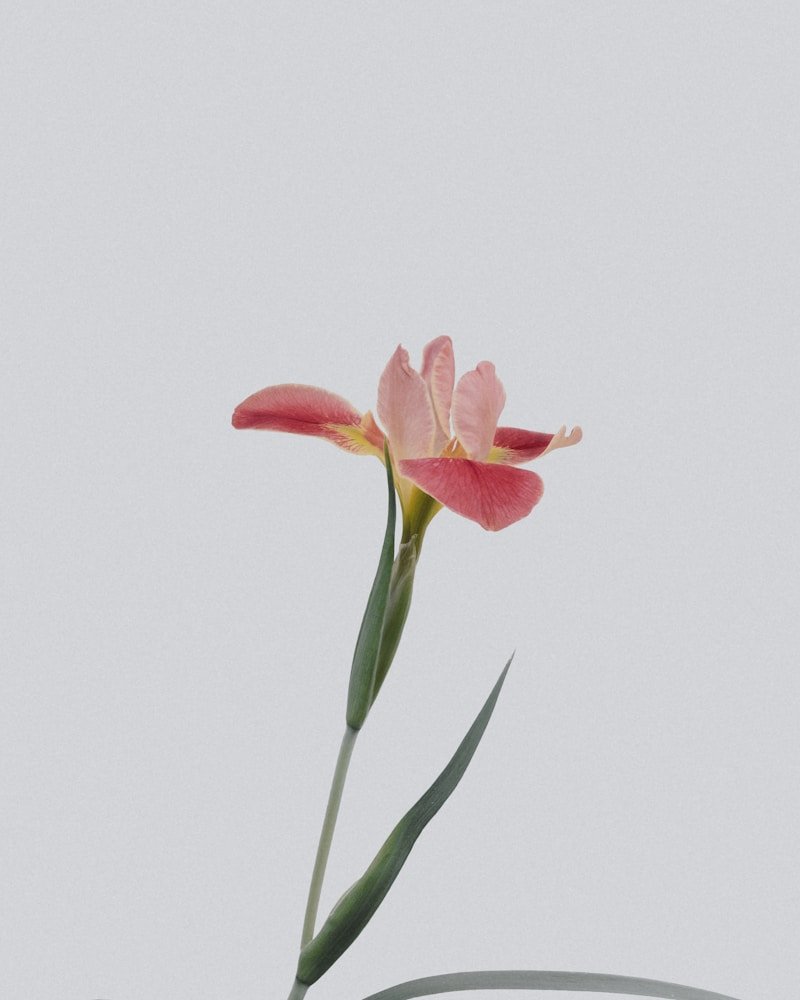
6) Iris (Bearded & Siberian)
- Season: Spring/early summer
- Why it works: Excellent for temperate winters; strong structure
7) Hosta (Shade Perennial)
- Season: Foliage interest spring–fall
- Why it works: Great for temperate shade gardens
8) Heuchera (Coral Bells)
- Season: Colorful foliage; small flowers
- Why it works: Handles cool temps; great in borders/containers
9) Lavender (Lavandula)
- Season: Summer
- Why it works: Thrives in temperate regions with well-drained soil
- Note: Avoid wet winter soil
10) Sedum / Hylotelephium (Stonecrop)
- Season: Late summer–fall
- Why it works: Drought tolerant; winter structure
B. Shrubs for Temperate Gardens (Structure + Year-Round Value)
11) Hydrangea (Hydrangea macrophylla/paniculata/arborescens)
- Season: Summer–fall flowers
- Why it works: Classic temperate shrub; huge bloom impact
- Tip: Match species to your winter lows and pruning group
12) Lilac (Syringa)
- Season: Spring blooms
- Why it works: Needs winter chill; fragrant; long-lived
13) Spirea (Spiraea)
- Season: Spring/summer blooms depending on variety
- Why it works: Tough, easy, good for beginners
14) Boxwood (Buxus)
- Season: Evergreen structure
- Why it works: Great formal hedging; winter interest
15) Viburnum
- Season: Spring blooms; many have fall color/berries
- Why it works: Reliable multi-season shrub
16) Azalea/Rhododendron (in suitable soils)
- Season: Spring
- Why it works: Iconic temperate woodland shrubs
- Note: Prefer acidic, well-drained soil
17) Japanese Maple (Acer palmatum)
- Season: Stunning fall color; elegant structure
- Why it works: Perfect in many temperate climates with some protection
C. Trees for Temperate Climates
18) Red Maple (Acer rubrum)
- Season: Fall color
- Why it works: Classic temperate tree; adaptable
19) Dogwood (Cornus florida / kousa)
- Season: Spring bloom + fall color (kousa fruit too)
- Why it works: Excellent ornamental for temperate gardens
20) Crabapple (Malus)
- Season: Spring flowers; fall fruit for birds
- Why it works: Compact, multi-season
21) Birch (Betula)
- Season: Beautiful bark; light canopy
- Note: Some regions have birch borer issues
22) Oak (Quercus)
- Season: Long-lived shade tree; wildlife value
- Why it works: Iconic temperate forest species
D. Annuals for Summer Color (Temperate Warm Season)
23) Zinnia (Zinnia elegans)
- Season: Summer–frost
- Why it works: Heat-loving annual that thrives in temperate summers
24) Marigold (Tagetes)
- Season: Summer–frost
- Why it works: Pest-tough, easy, bright color
25) Cosmos
- Season: Summer–fall
- Why it works: Low care; pollinator favorite
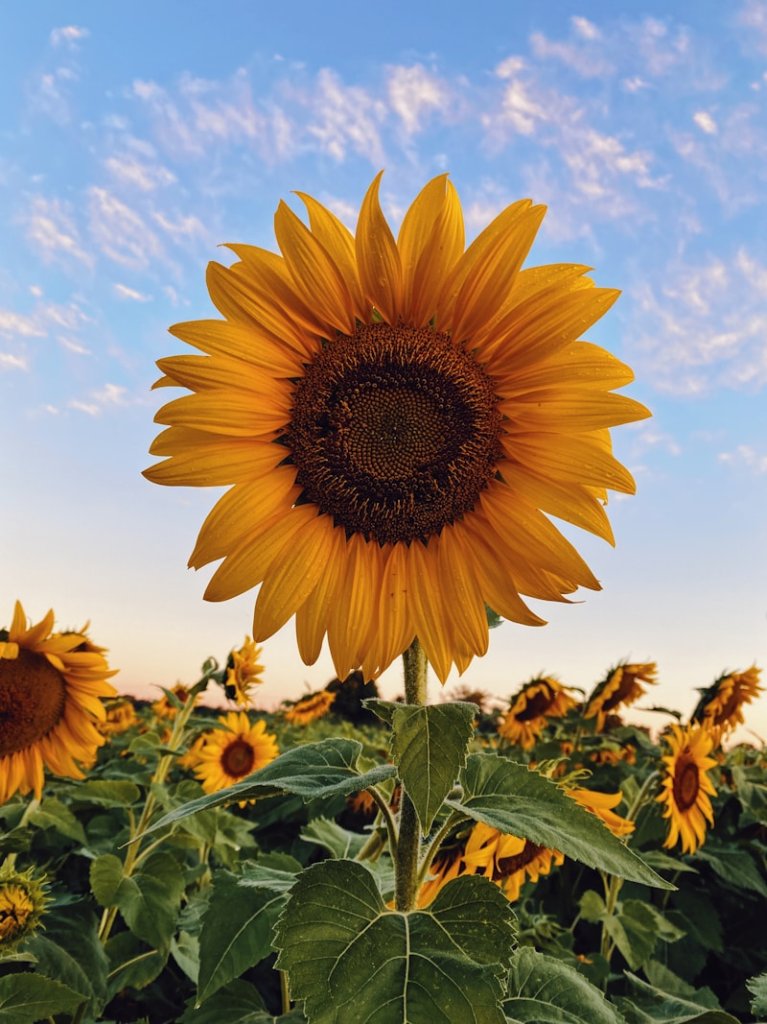
26) Sunflower (Helianthus annuus)
- Season: Summer–fall
- Why it works: Great height, seeds for birds
27) Nasturtium
- Season: Cool-temperate summer; struggles in extreme heat
- Why it works: Edible flowers; easy
E. Vegetables & Herbs for Temperate Climates
28) Lettuce, Spinach, Arugula (Cool-season greens)
- Season: Spring + fall crops
- Tip: Use succession sowing for steady harvest
29) Tomatoes, Peppers (Warm-season)
- Season: Summer
- Tip: Start indoors; transplant after frost
30) Basil, Parsley, Cilantro
- Season: Basil loves warmth; cilantro prefers cool weather
Planting Calendar for Temperate Gardens (Quick Guide)
Early Spring
- Plant bare-root shrubs/trees (when soil workable)
- Sow cool-season vegetables
- Divide perennials (where appropriate)
Late Spring (After Frost)
- Plant warm-season annuals (zinnias, marigolds)
- Transplant tomatoes/peppers
- Mulch beds to conserve moisture
Summer
- Deadhead, stake, water deeply
- Watch for mildew and pests
- Succession sow beans/cukes (if desired)
Fall
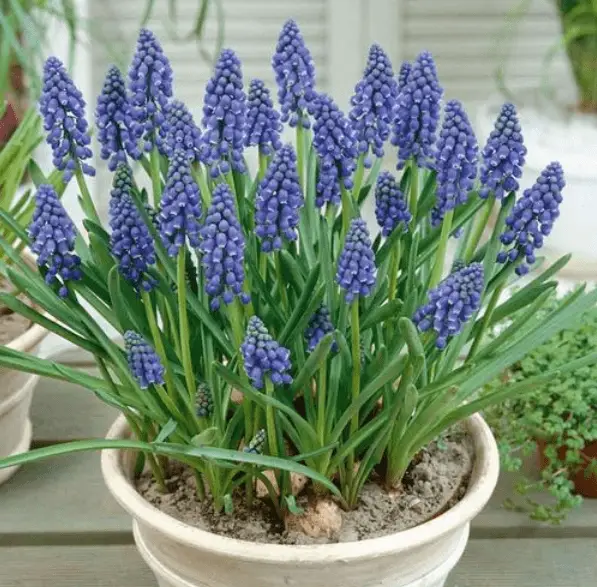
- Plant spring-flowering bulbs
- Sow cool-season greens for fall harvest
- Plant hardy trees/shrubs in many temperate regions
Winter
- Protect vulnerable plants with mulch where needed
- Prune select dormant shrubs/trees (species dependent)
- Plan next season’s plant combinations
Common Mistakes in Temperate Climate Gardening
Mistake 1: Planting Too Early
Warm-season annuals and vegetables can stall or die if planted before soil warms. Use your local last frost date as a guide.
Mistake 2: Overwatering in Cool Seasons
Many perennials and shrubs rot in cold, wet soil. Prioritize drainage and avoid waterlogged beds in spring and winter.
Mistake 3: Ignoring Microclimates
A south-facing wall can behave like a warmer zone; low spots can frost. Plant accordingly.
Mistake 4: No Succession Planting
Temperate climates excel at spring and fall crops—succession sowing keeps the garden productive.
Conclusion
Temperate climate plants offer some of the richest gardening possibilities on Earth—because you get four distinct seasons of growth, bloom, harvest, and dormancy. The best approach is to build your garden in layers: structural shrubs and trees for year-round form, hardy perennials for reliable returns, annuals for nonstop summer color, and edible crops for spring and fall abundance.
Key Takeaway: Start with your zone and site conditions (sun, drainage), then choose plants that provide season-by-season interest. With the right mix, temperate gardens can look beautiful from early spring bulbs to winter evergreen structure.