Introduction to Oxygen-Producing Houseplants
In our modern lives, we spend approximately 90% of our time indoors, where air quality can be significantly worse than outdoor air. While no plant can single-handedly transform a room’s air quality, certain houseplants are remarkably efficient at producing oxygen and filtering harmful pollutants. Adding these botanical air purifiers to your home not only enhances your décor but also contributes to a healthier indoor environment.
Through photosynthesis, plants absorb carbon dioxide and release oxygen during daylight hours. Some plants, including several popular houseplants, continue releasing oxygen even at night through a process called Crassulacean Acid Metabolism (CAM). Understanding which plants offer the best oxygen production helps you make informed choices for your indoor spaces.

Top 15 Plants for Oxygen Production
1. Snake Plant (Sansevieria trifasciata)
The snake plant, also known as mother-in-law’s tongue, is arguably the best indoor plant for oxygen production. Unique among houseplants, it performs CAM photosynthesis, continuing to release oxygen at night while you sleep.
Why It’s Excellent:
- Oxygen production: Exceptional, even at night
- Air purification: Removes formaldehyde, benzene, xylene, and toluene
- Care level: Very easy—thrives on neglect
- Best placement: Bedrooms for nighttime oxygen
Care Tips:
- Allow soil to dry completely between waterings
- Tolerates low light but prefers indirect light
- Avoid overwatering—root rot is the main threat
2. Aloe Vera (Aloe barbadensis miller)
Beyond its well-known healing properties for burns and skin conditions, aloe vera is also an effective oxygen producer and air purifier.
Why It’s Excellent:
- Oxygen production: High, including nighttime release
- Air purification: Removes formaldehyde and benzene
- Additional benefits: Medicinal gel for skin treatment
Care Tips:
- Allow soil to dry between waterings
- Needs bright, indirect light
- Use well-draining cactus/succulent soil
3. Peace Lily (Spathiphyllum)
This elegant flowering plant is one of NASA’s top-rated plants for air purification. Its white blooms add beauty while it works to improve air quality.
Why It’s Excellent:
- Oxygen production: Very good
- Air purification: Removes ammonia, benzene, formaldehyde, and trichloroethylene
- Aesthetics: Beautiful white flowers year-round
Care Tips:
- Keep soil consistently moist but not soggy
- Tolerates low light but flowers better in medium light
- Drooping leaves signal need for water
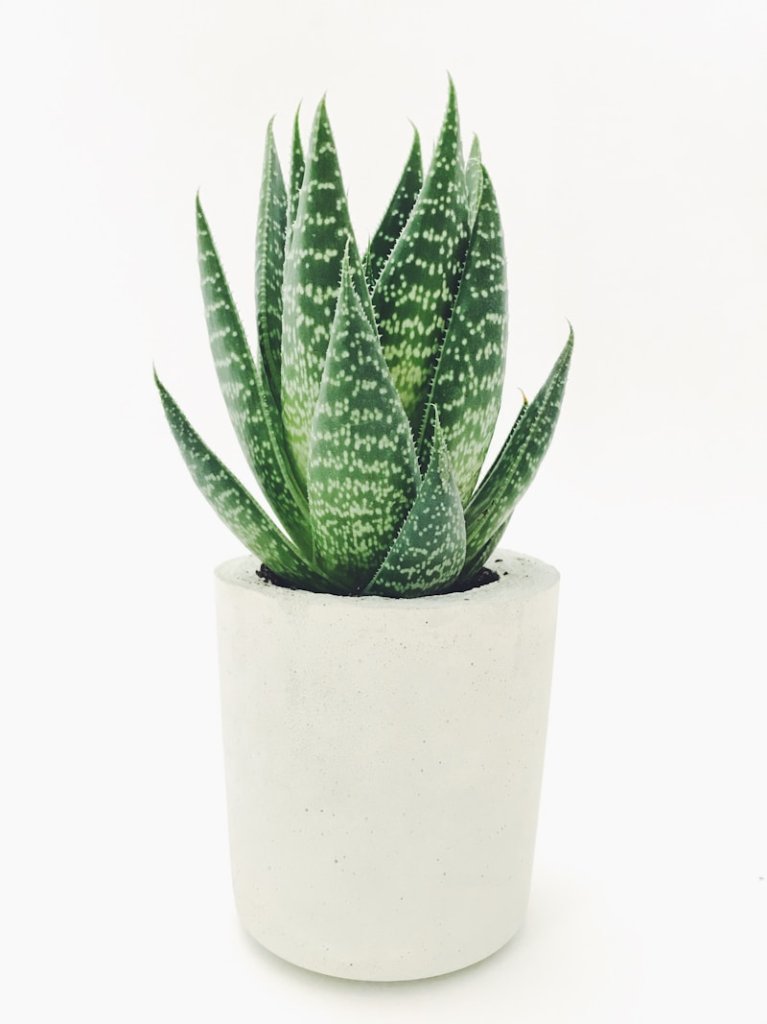
4. Spider Plant (Chlorophytum comosum)
One of the easiest houseplants to grow, spider plants produce oxygen efficiently while filtering harmful pollutants. They’re also non-toxic to pets.
Why It’s Excellent:
- Oxygen production: Good
- Air purification: Removes formaldehyde, xylene, and benzene
- Pet safety: Non-toxic to cats and dogs
Care Tips:
- Moderate light; avoid direct sun which burns leaves
- Keep soil lightly moist
- Produces “babies” that can be propagated easily
5. Areca Palm (Dypsis lutescens)
This feathery palm is one of the most efficient air-purifying plants available. It’s consistently rated among the best plants for improving indoor air quality.
Why It’s Excellent:
- Oxygen production: Excellent
- Air purification: Removes multiple toxins including toluene and xylene
- Humidity: Natural humidifier, releasing moisture into air
Care Tips:
- Bright, indirect light
- Keep soil evenly moist
- Regular misting helps prevent brown tips
6. Boston Fern (Nephrolepis exaltata)
These lush ferns are excellent oxygen producers and among the best plants for removing formaldehyde from indoor air.
Why It’s Excellent:
- Oxygen production: Good
- Air purification: Removes formaldehyde and xylene
- Humidity: Natural humidifier
Care Tips:
- Needs high humidity and consistent moisture
- Indirect light—no direct sun
- Great for bathrooms with good light
7. Pothos (Epipremnum aureum)
Nearly impossible to kill, pothos is an excellent beginner plant that produces oxygen efficiently while tolerating a wide range of conditions.
Why It’s Excellent:
- Oxygen production: Good
- Air purification: Removes formaldehyde, benzene, and carbon monoxide
- Tolerances: Very forgiving of neglect
Care Tips:
- Grows in any light except deep shade
- Let soil dry between waterings
- Easy to propagate in water
8. Rubber Plant (Ficus elastica)
The rubber plant’s large, glossy leaves are efficient at producing oxygen and removing toxins from indoor air. It makes a bold statement in any room.
Why It’s Excellent:
- Oxygen production: Very good
- Air purification: Removes formaldehyde and other VOCs
- Size: Can grow quite large, making a statement
Care Tips:
- Bright, indirect light
- Wipe leaves occasionally to remove dust
- Moderate water—allow soil to partially dry
9. English Ivy (Hedera helix)
Studies have shown English ivy to be particularly effective at removing airborne mold and fecal particles, making it especially valuable for homes with pets or humidity issues.
Why It’s Excellent:
- Oxygen production: Good
- Air purification: Removes mold particles and formaldehyde
- Versatility: Can trail from containers or climb supports
Care Tips:
- Prefers cooler temperatures
- Moderate to bright light
- Keep soil evenly moist
10. Weeping Fig (Ficus benjamina)
A classic indoor tree, the weeping fig effectively removes pollutants while adding an elegant, architectural element to your space.
Why It’s Excellent:
- Oxygen production: Very good
- Air purification: Removes formaldehyde, benzene, and trichloroethylene
- Aesthetics: Beautiful tree form
Care Tips:
- Bright, indirect light
- Consistent watering—doesn’t like changes
- Avoid moving once placed
11. Gerbera Daisy (Gerbera jamesonii)
These cheerful flowering plants are among the few that release significant oxygen at night, making them excellent bedroom plants.
Why It’s Excellent:
- Oxygen production: Good, including nighttime release
- Air purification: Removes benzene and trichloroethylene
- Beauty: Colorful blooms in many colors
Care Tips:
- Needs bright light for flowering
- Keep soil evenly moist
- Deadhead spent blooms
12. Dracaena (Dracaena spp.)
With over 40 varieties, dracaenas offer options for nearly any indoor space while effectively filtering indoor air pollutants.
Why It’s Excellent:
- Oxygen production: Good
- Air purification: Removes benzene, formaldehyde, trichloroethylene, and xylene
- Variety: Many sizes and forms available
Care Tips:
- Tolerates lower light
- Allow soil to partially dry between waterings
- Sensitive to fluoride—use filtered water if possible
13. Bamboo Palm (Chamaedorea seifrizii)
This compact palm thrives in lower light conditions while producing oxygen and removing airborne toxins effectively.
Why It’s Excellent:
- Oxygen production: Good
- Air purification: Removes formaldehyde, benzene, and chloroform
- Light tolerance: Adapts to lower light
Care Tips:
- Low to bright indirect light
- Keep soil evenly moist
- Regular misting appreciated

14. Chinese Evergreen (Aglaonema)
Tolerant of low light and irregular watering, Chinese evergreen is an easy-care plant that still contributes to better indoor air.
Why It’s Excellent:
- Oxygen production: Good
- Air purification: Removes benzene and formaldehyde
- Tolerance: Very adaptable to conditions
Care Tips:
- Low to medium light
- Allow soil to partially dry
- Many colorful varieties available
15. Philodendron (Philodendron spp.)
These popular plants come in many forms and are excellent air purifiers that are nearly impossible to kill.
Why It’s Excellent:
- Oxygen production: Good
- Air purification: Removes formaldehyde
- Ease of care: Very forgiving
Care Tips:
- Any light except deep shade
- Allow soil to dry between waterings
- Train to climb or let trail
Comparison: Top Oxygen-Producing Plants
| Plant | Night Oxygen? | Care Level | Pet Safe? |
|---|---|---|---|
| Snake Plant | Yes | Very Easy | No |
| Aloe Vera | Yes | Easy | Mildly toxic |
| Peace Lily | No | Easy | No |
| Spider Plant | No | Very Easy | Yes |
| Gerbera Daisy | Yes | Moderate | Mildly toxic |
How Many Plants Do You Need?
NASA’s famous clean air study suggested 15-18 plants in 6-8 inch pots for a 1,800 square foot home. However, even a few well-chosen plants make a noticeable difference in smaller spaces.
Room-by-Room Recommendations:
Bedroom (2-4 plants)
- Snake plant (nighttime oxygen)
- Aloe vera
- Peace lily
- Gerbera daisy
Living Room (3-5 plants)
- Areca palm
- Rubber plant
- Dracaena
- Boston fern
Kitchen (1-3 plants)
- Spider plant
- Aloe vera
- English ivy (removes cooking odors)
Bathroom (1-2 plants)
- Boston fern (thrives in humidity)
- Spider plant
- Bamboo palm
Tips for Maximizing Oxygen Production
Optimal Growing Conditions
- Provide adequate light for each species
- Keep leaves clean and dust-free
- Maintain proper watering for healthy growth
- Fertilize during growing season
- Ensure good air circulation around plants
Placement Considerations
- Position plants where air circulates freely
- Don’t crowd plants together
- Place near pollution sources (printers, new furniture, carpets)
- Consider light requirements for each location
Realistic Expectations
While indoor plants do produce oxygen and filter pollutants, it’s important to have realistic expectations:
- Plants alone cannot replace proper ventilation
- Modern homes are tightly sealed; plants help but aren’t a complete solution
- Benefits are cumulative—more plants = more effect
- Plant health affects their air-purifying ability
- Studies show improvements in perceived air quality and well-being
Conclusion
Adding oxygen-producing plants to your home is a natural, beautiful way to improve indoor air quality while enhancing your living space. From the virtually indestructible snake plant to the elegant peace lily, there are options for every room, light condition, and care level.
While no plant can completely purify indoor air on its own, a thoughtful collection of air-purifying plants contributes meaningfully to a healthier home environment. Beyond the measurable benefits, the presence of living plants has been shown to reduce stress, improve mood, and increase productivity—making them valuable additions to any indoor space.
Start with a few easy-care varieties like snake plant, spider plant, or pothos. As you develop your plant care skills, add more species to create your own indoor oasis of clean, oxygen-rich air.
This article is for educational purposes. While indoor plants contribute to better air quality, they should complement, not replace, proper ventilation and air filtration systems.