Introduction to Sage for Hair Care
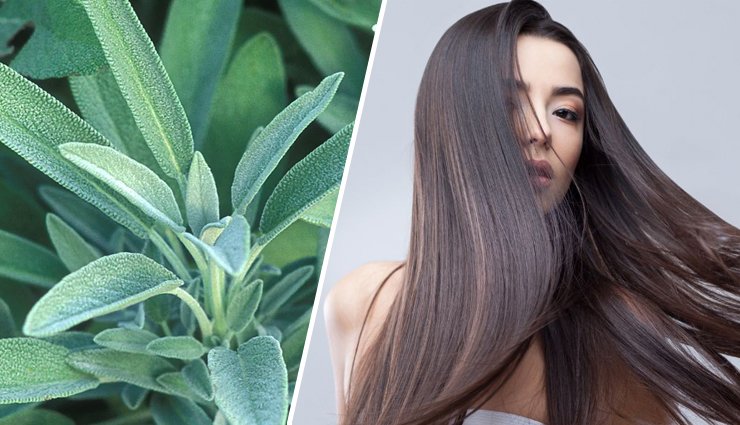
Sage (Salvia officinalis) is more than just a flavorful culinary herb. For centuries, this aromatic plant has been treasured for its remarkable medicinal and beauty properties. When it comes to hair care, sage offers a natural, effective solution for numerous hair concerns, from promoting growth to adding shine and managing oily scalps.
Rich in antioxidants, vitamins, and essential oils, sage provides multiple benefits that can transform your hair care routine. Whether you’re dealing with hair loss, dandruff, or simply want to enhance your hair’s natural beauty, this powerful herb deserves a place in your natural hair care arsenal.
Top 10 Benefits of Sage for Hair
1. Promotes Hair Growth
One of the most sought-after benefits of sage is its ability to stimulate hair growth. The herb contains beta-sitosterol, a compound that may help block the enzyme responsible for hair loss. When applied to the scalp, sage improves blood circulation, ensuring that hair follicles receive adequate nutrients and oxygen for healthy growth.
Regular use of sage treatments can:
- Strengthen hair follicles
- Reduce hair thinning
- Extend the anagen (growth) phase of hair
- Encourage new hair growth in thinning areas
2. Controls Excess Oil and Sebum
For those with oily hair and scalp, sage acts as a natural astringent. Its astringent properties help regulate sebum production without stripping the scalp of its natural moisture. This makes sage particularly beneficial for people with oily scalps who still want healthy, balanced hair.
3. Eliminates Dandruff and Scalp Conditions
Sage possesses natural antifungal, antibacterial, and antimicrobial properties that make it effective against dandruff and various scalp conditions. The herb helps:
- Eliminate the fungi that cause dandruff
- Soothe itchy, irritated scalp
- Reduce flaking and scaling
- Balance scalp pH
4. Natural Hair Darkening
Looking to enhance or maintain dark hair color naturally? Sage has been used traditionally as a natural hair darkener. When used regularly as a rinse, sage can:
- Deepen natural brown or black hair color
- Cover early gray hairs gradually
- Add richness and dimension to dark hair
While not as dramatic as chemical dyes, sage offers a gentle, natural alternative for those seeking subtle color enhancement.
5. Adds Shine and Luster
Dull, lifeless hair can benefit tremendously from sage treatments. The herb’s nutrients help smooth the hair cuticle, reflecting light and creating a natural shine. After using sage rinses, many people notice:
- Enhanced natural shine
- Smoother hair texture
- Improved hair manageability
- Reduced frizz
6. Strengthens Hair Strands
Sage is rich in vitamins A, C, E, and K, along with essential minerals that strengthen hair from root to tip. These nutrients help fortify hair strands, reducing breakage and split ends. Regular use results in stronger, more resilient hair that better withstands styling and environmental damage.
7. Soothes Inflammation
Scalp inflammation can lead to hair loss, itching, and discomfort. Sage contains rosmarinic acid and other anti-inflammatory compounds that calm irritated scalp tissue. This makes it an excellent choice for those with sensitive scalps or conditions like psoriasis and eczema.
8. Natural Antibacterial Protection
The antimicrobial properties of sage help keep your scalp clean and healthy by eliminating harmful bacteria that can cause infections or contribute to hair problems. A healthy scalp environment is essential for optimal hair growth.
9. Balances Scalp pH
A balanced scalp pH is crucial for healthy hair growth. Sage helps maintain the scalp’s natural acid mantle, creating an environment where beneficial bacteria thrive while harmful ones are kept in check.
10. Reduces Premature Graying
While sage cannot reverse all gray hair, its antioxidant content may help slow premature graying by protecting hair follicles from oxidative stress. The herb’s natural pigments can also help blend early grays into darker hair.
How to Use Sage for Hair
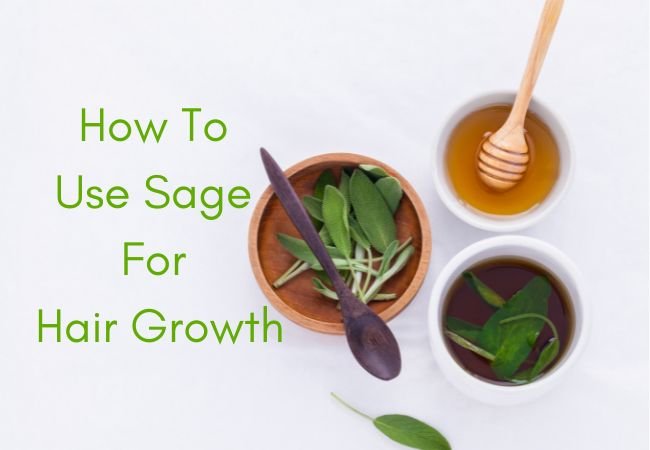
Sage Hair Rinse
One of the easiest ways to incorporate sage into your hair care routine:
- Boil 2 cups of water
- Add 1/2 cup fresh sage leaves (or 1/4 cup dried sage)
- Simmer for 15-20 minutes
- Strain and let cool completely
- After shampooing, pour the sage rinse over your hair
- Massage into scalp for 2-3 minutes
- Rinse with cool water (or leave in for deeper treatment)
Use this rinse 1-2 times per week for best results.
Sage Infused Oil
Create a nourishing scalp treatment:
- Fill a clean glass jar with dried sage leaves
- Cover completely with carrier oil (olive, coconut, or jojoba)
- Seal and place in a warm, dark spot for 4-6 weeks
- Shake occasionally
- Strain and store in a dark bottle
- Massage into scalp weekly before washing
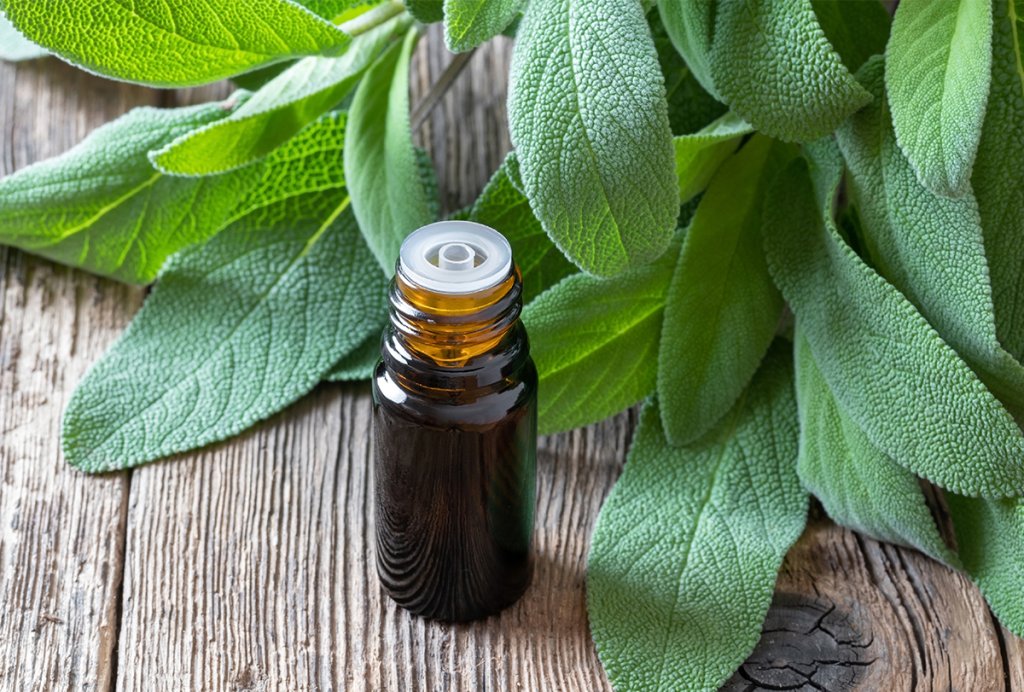
Sage Essential Oil Treatment
For a quick, potent treatment:
- Mix 3-5 drops of sage essential oil with 1 tablespoon carrier oil
- Massage into scalp for 5 minutes
- Leave on for 30 minutes to overnight
- Wash hair as usual
Important: Always dilute essential oils before applying to skin.
Sage and Rosemary Hair Tonic
Combine the benefits of two powerful herbs:
- 2 tablespoons dried sage
- 2 tablespoons dried rosemary
- 2 cups boiling water
Steep herbs in water until cool. Use as a final rinse after shampooing. This combination is particularly effective for promoting hair growth.
Sage vs. Clary Sage for Hair
Both common sage (Salvia officinalis) and clary sage (Salvia sclarea) benefit hair, but they have different properties:
| Property | Common Sage | Clary Sage |
|---|---|---|
| Best for | Hair growth, darkening | Oil control, calming |
| Scent | Herbal, earthy | Floral, sweet |
| Astringency | Moderate | Stronger |
| Hormonal effects | Minimal | May help balance hormones |
DIY Sage Hair Recipes
Nourishing Sage Hair Mask
Ingredients:
- 2 tablespoons sage tea (cooled)
- 1 tablespoon honey
- 1 tablespoon coconut oil
- 1 egg yolk
Instructions:
- Mix all ingredients until smooth
- Apply to damp hair from roots to ends
- Cover with shower cap
- Leave on for 30 minutes
- Rinse with cool water and shampoo
Sage Scalp Scrub
Ingredients:
- 2 tablespoons dried, ground sage leaves
- 2 tablespoons brown sugar
- 2 tablespoons olive oil
Instructions:
- Mix ingredients to form a paste
- Apply to damp scalp
- Gently massage in circular motions for 5 minutes
- Rinse thoroughly and shampoo
Precautions and Side Effects
While sage is generally safe for external use, consider these precautions:
- Patch test first: Apply a small amount to your inner arm and wait 24 hours to check for reactions
- Pregnancy: Avoid sage essential oil during pregnancy; consult your doctor about using sage tea rinses
- Epilepsy: Those with seizure disorders should avoid sage essential oil
- Allergies: If you’re allergic to mint family plants (Lamiaceae), you may react to sage
- Skin sensitivity: Always dilute essential oils; never apply directly to scalp
How Long Until You See Results?
Natural remedies require patience. With regular use:
- Scalp improvement: 2-4 weeks
- Reduced oiliness: 1-2 weeks
- Shine and texture: 2-4 weeks
- Hair growth benefits: 2-3 months
- Hair darkening effects: 2-4 months of consistent use
Best Practices for Using Sage on Hair
- Consistency is key: Use sage treatments 1-2 times weekly for best results
- Fresh vs. dried: Both work well; dried sage is more concentrated
- Store properly: Keep sage products in a cool, dark place
- Combine with other herbs: Rosemary, lavender, and nettle complement sage well
- Start slowly: Begin with weekly treatments and increase as your scalp adjusts
Conclusion
Sage offers a natural, effective solution for numerous hair concerns. From promoting growth and controlling oil to adding shine and soothing scalp conditions, this versatile herb deserves a place in your natural hair care routine. Whether you choose to make a simple tea rinse, an infused oil, or incorporate sage essential oil into treatments, you’ll be harnessing centuries of traditional wisdom backed by modern understanding of the herb’s beneficial compounds.
As with any natural remedy, patience and consistency are essential. Give sage treatments time to work, and you’ll likely see improvements in your hair’s health, appearance, and vitality—all without the harsh chemicals found in many commercial products.
This article is for educational purposes. Always perform a patch test before trying new hair treatments and consult a healthcare provider for persistent scalp or hair issues.