The Challenge of Dry Shade
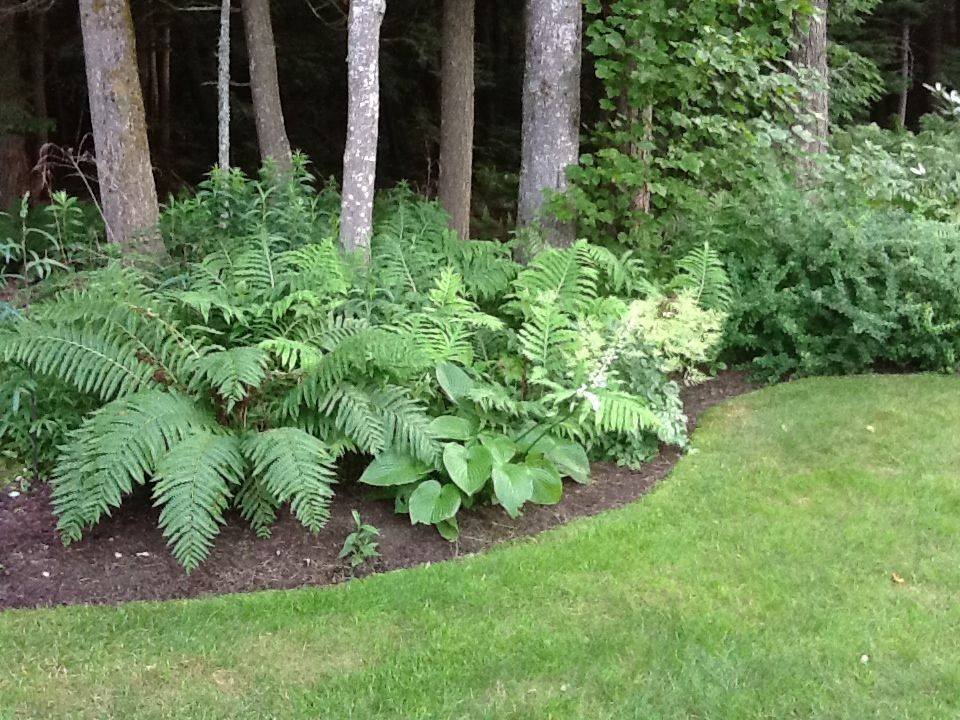
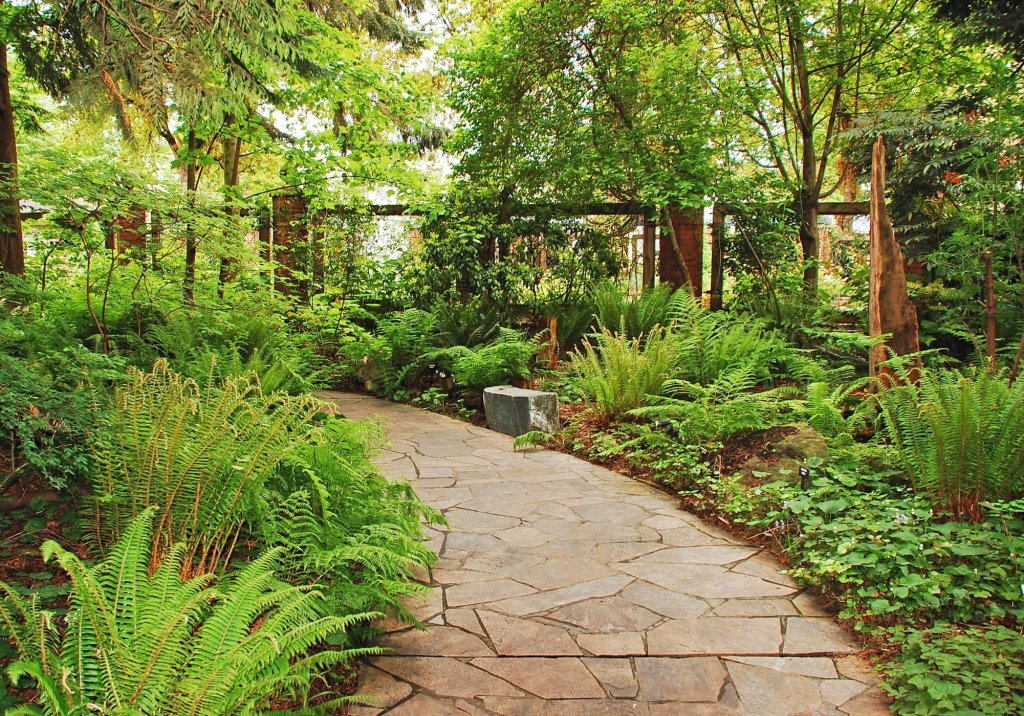
Dry shade is one of the most challenging conditions in any garden. It typically occurs under large trees, along north-facing walls, or beneath building overhangs – places where rainfall doesn’t reach and tree roots compete fiercely for whatever moisture exists.
For many plants, this environment is a death sentence. The combination of limited light and scarce water creates conditions where few species can thrive. Yet this is exactly where ferns can shine.
While most people associate ferns with damp, shady streambanks, several species have evolved to handle the tough conditions of dry woodland environments. The key is choosing the right varieties and giving them the best possible start.
Understanding “Dry Shade Tolerance”
Before we dive into specific ferns, it’s important to understand what “dry shade tolerant” really means. These aren’t desert plants that thrive without water. Rather, they’re species that:
- Can survive periods of drought once their root systems are established
- Compete reasonably well with tree roots for moisture
- Handle the lower light levels without becoming leggy or weak
- Often go dormant or reduce growth during extended dry spells
The most critical time for any fern in dry shade is the first growing season. During establishment, they need consistent moisture to develop the deep root systems that will sustain them through future dry periods. Think of dry-shade tolerance as something the plant earns over time, not a feature it possesses from day one.
Top Ferns for Dry Shade
1. Christmas Fern (Polystichum acrostichoides)
If you only plant one fern for dry shade, make it this one. Christmas fern is the gold standard for difficult woodland conditions.
Why it works:
- Evergreen, providing year-round interest
- Tolerates a wide range of soil conditions
- Forms neat, upright clumps that don’t spread aggressively
- Excellent for slopes and erosion control
Native to eastern North America, this fern earned its common name because early settlers used its fronds for Christmas decorations. It’s equally at home in formal shaded borders and naturalized woodland gardens. The leathery, dark green fronds typically reach 18-24 inches tall.
2. Eastern Wood Fern (Dryopteris marginalis)
Another North American native, the Eastern wood fern brings reliability and good looks to dry shade plantings.
Why it works:
- Semi-evergreen to evergreen in mild climates
- Forms tidy, vase-shaped clumps
- More tolerant of alkaline soils than many ferns
- Works well in formal shade garden designs
This fern has a refined appearance with bluish-green fronds arranged in perfect circles around the crown. It typically grows 18-30 inches tall and maintains a tidy habit that works beautifully alongside hostas, hellebores, and other shade perennials.
3. Autumn Fern (Dryopteris erythrosora)
For gardeners who want both toughness and ornamental appeal, the autumn fern delivers on both counts.
Why it works:
- New fronds emerge coppery-red, providing spring color
- Semi-evergreen in most climates
- Adaptable to a range of shade conditions
- Compact growth habit works in smaller spaces
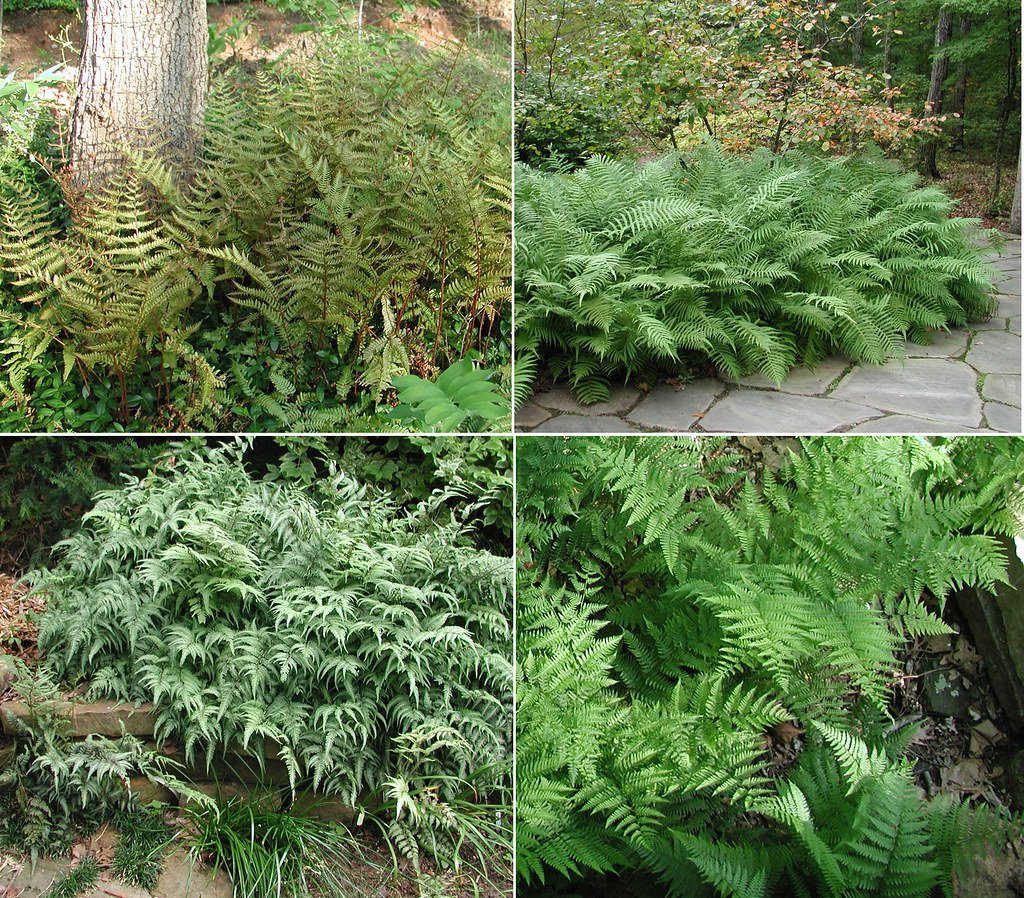
The common name comes from the autumn-like coloring of the new growth, not the season. This fern brings year-round interest with its copper new fronds in spring, glossy green mature fronds in summer, and persistent foliage through winter in mild areas. It typically grows 18-24 inches tall.
4. Hart’s Tongue Fern (Asplenium scolopendrium)
For something different, consider this distinctive fern with its unusual strappy leaves.
Why it works:
- Unique tongue-shaped fronds add texture contrast
- Evergreen in protected locations
- Grows well in alkaline soils where other ferns struggle
- Excellent for rock gardens and shady borders
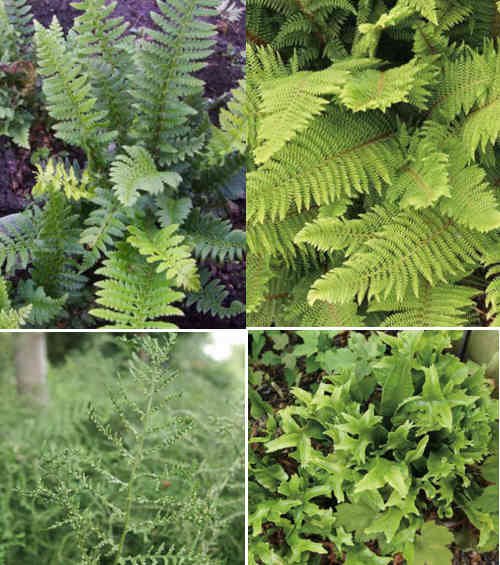
Unlike the feathery appearance of most ferns, Hart’s tongue fern has smooth, undivided leaves that can reach 12-18 inches long. It works beautifully as a specimen plant or in small groups where its architectural form can be appreciated. Several cultivars offer ruffled or crested leaf forms for added interest.
5. Soft Shield Fern (Polystichum setiferum)
This elegant fern brings a refined, almost Victorian aesthetic to dry shade gardens.
Why it works:
- Incredibly soft, finely divided fronds
- Semi-evergreen to evergreen
- Many cultivars available with different forms
- Tolerates dry conditions once established
Despite its delicate appearance, this fern is surprisingly tough. The finely cut fronds create a soft, mounded shape that contrasts beautifully with broader-leaved shade plants. It typically reaches 24-36 inches tall and spreads slowly to form impressive clumps over time.
6. Hayscented Fern (Dennstaedtia punctilobula)
For large areas that need covering, this spreading fern is an excellent choice.
Why it works:
- Spreads readily to form large colonies
- Excellent for naturalizing in woodland settings
- Fronds release a hay-like scent when crushed
- Deer resistant
Important note: This fern spreads by rhizomes and can be aggressive. It’s ideal for large, naturalistic plantings where it can roam freely, but not suitable for small, formal beds where its spreading habit would be problematic.
The finely textured, light green fronds create a soft, airy appearance that’s perfect for woodland edges and transitioning from cultivated gardens to more natural areas. It typically grows 18-30 inches tall.
7. Japanese Painted Fern (Athyrium niponicum var. pictum)
For sheer beauty, few ferns can compete with the Japanese painted fern.
Why it works:
- Silvery fronds with purple-red stems
- Compact size works in containers and small gardens
- Excellent color contrast with green plants
- Reasonably drought tolerant once established
This fern is less drought-tolerant than the others on this list and benefits from soil改良 and extra attention during establishment. However, its stunning foliage makes it worth the extra effort for many gardeners. The silvery fronds light up dark corners and pair beautifully with purple-leafed heucheras and green hostas. It typically grows 12-18 inches tall.
Planting and Care
Soil Preparation
Success with dry-shade ferns starts with soil preparation. Even though these species are tolerant of difficult conditions, they’ll perform far better with some help.
Before planting:
- Incorporate generous amounts of compost, leaf mold, or well-rotted manure
- Aim for soil that drains well but retains some moisture
- If planting under trees, work carefully to avoid damaging major roots
- Consider building small raised areas or berms in severely root-bound zones
Watering Strategy
First season: This is critical. Keep soil consistently moist but not waterlogged. Deep, infrequent watering encourages roots to grow downward seeking moisture.
Established plants: Reduce watering frequency but don’t abandon them entirely. During extended dry periods, especially in summer, provide supplemental water every 10-14 days.
Under trees: Remember that tree roots compete aggressively for water. Ferns planted under trees will need more water than those in open shade.
Mulching
A 2-3 inch layer of organic mulch is one of the best things you can do for dry-shade ferns. Benefits include:
- Retaining soil moisture
- Keeping roots cool in summer
- Suppressing competing weeds
- Gradually improving soil as it breaks down
Use shredded bark, leaf mold, or compost as mulch. Avoid piling mulch against the fern crowns, which can cause rot.
Design Ideas for Dry Shade
Woodland Border
Combine Christmas fern and Eastern wood fern with shade-tolerant perennials like hostas, hellebores, and foamflower. The ferns provide a reliable evergreen backbone while flowering plants add seasonal interest.
Native Planting
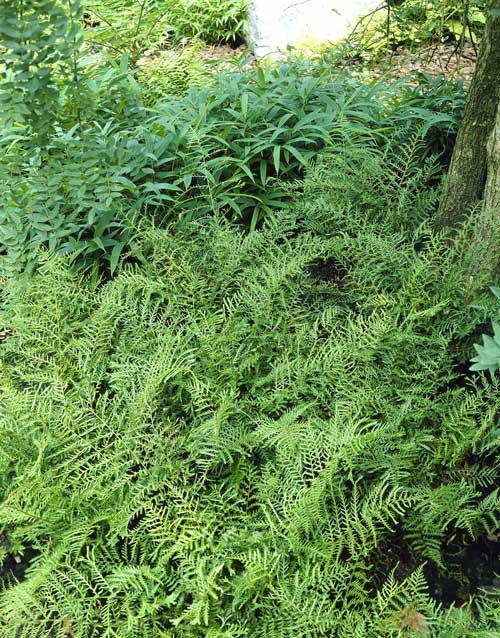
Use Christmas fern, Eastern wood fern, and hayscented fern in combinations with native woodland wildflowers. This approach creates a naturalistic landscape that supports local wildlife.
Container Gardens
Japanese painted fern and autumn fern work beautifully in containers for shady patios and entryways. Use high-quality potting mix and remember that containers dry out faster than in-ground plantings.
Slope Stabilization
On shady slopes where erosion is a concern, mass plantings of Christmas fern can help hold soil while looking attractive year-round.
Common Mistakes to Avoid
- Planting too late in the season: Ferns need time to establish before facing summer heat or winter cold. Spring planting is ideal.
- Skipping soil preparation: Even tough ferns benefit from amended soil, especially in dry shade.
- Inconsistent watering during establishment: The first year is crucial for developing drought tolerance.
- Planting aggressive spreaders in small spaces: Match the fern’s growth habit to your site.
- Expecting immediate results: Ferns often take 2-3 years to reach their full potential.
Quick Reference: Ferns for Dry Shade
| Fern | Height | Evergreen? | Best Use |
|---|---|---|---|
| Christmas Fern | 18-24″ | Yes | Borders, slopes, general use |
| Eastern Wood Fern | 18-30″ | Semi | Formal beds, mixed plantings |
| Autumn Fern | 18-24″ | Semi | Ornamental, containers |
| Hart’s Tongue Fern | 12-18″ | Yes | Specimen, rock gardens |
| Soft Shield Fern | 24-36″ | Semi | Texture contrast, borders |
| Hayscented Fern | 18-30″ | No | Naturalizing, large areas |
| Japanese Painted Fern | 12-18″ | No | Color accent, containers |
Final Thoughts
Dry shade doesn’t have to be a dead zone in your landscape. By selecting the right ferns and giving them proper care during establishment, you can transform these challenging areas into attractive, low-maintenance garden spaces.
Remember that “dry shade tolerant” is a journey, not a destination. Start with well-prepared soil, water consistently during the first growing season, and mulch to conserve moisture. Choose Christmas fern or Eastern wood fern for the toughest spots, and add more ornamental varieties like Japanese painted fern where conditions are slightly better.
For more information on growing ferns in challenging conditions, visit these resources: Blue Water Baltimore, Edge of the Woods Nursery, and Plants for Shade.