Why Red Perennials?
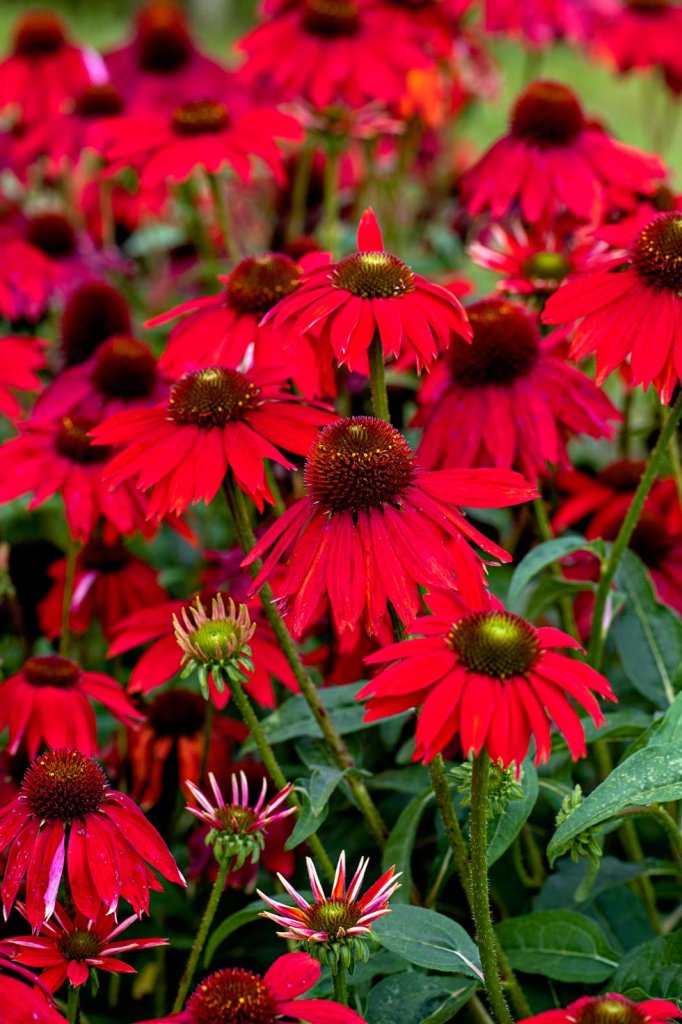
There’s something undeniably striking about red flowers in the garden. Whether you’re creating a bold focal point, designing a pollinator-friendly space, or simply want to add a punch of color to your landscape, red flowering perennials deliver impact year after year.
Unlike annuals that need replanting each season, these reliable plants come back stronger with each passing year. They form the backbone of a well-designed garden, providing consistent color while requiring less maintenance than their annual counterparts.
From the fiery spikes of red hot poker to the elegant plumes of astilbe, there’s a red perennial for every garden style and climate. Let’s explore the best options for your landscape.
Top Red Flowering Perennials
1. Bee Balm (Monarda didyma)
Bee balm brings vibrant red flowers that pollinators absolutely love. This native plant creates a stunning display while supporting your local ecosystem.
Why it’s great:
- Blooms: Mid to late summer
- Height: 2-4 feet
- Hardiness: Zones 4-9
- Attracts hummingbirds, bees, and butterflies
Care tips: Plant in full sun with good air circulation to prevent powdery mildew. Moist, well-draining soil produces the best results.
2. Red Hot Poker (Kniphofia)
Also called torch lily, red hot poker creates dramatic vertical interest with its torch-shaped flower spikes rising above sword-like foliage.
Why it’s great:
- Blooms: Late spring to summer
- Height: 2-5 feet
- Hardiness: Zones 5-9
- Makes an excellent focal point
Care tips: Requires full sun and excellent drainage. Once established, it’s quite drought tolerant. Avoid heavy, waterlogged soils.
3. Cardinal Flower (Lobelia cardinalis)
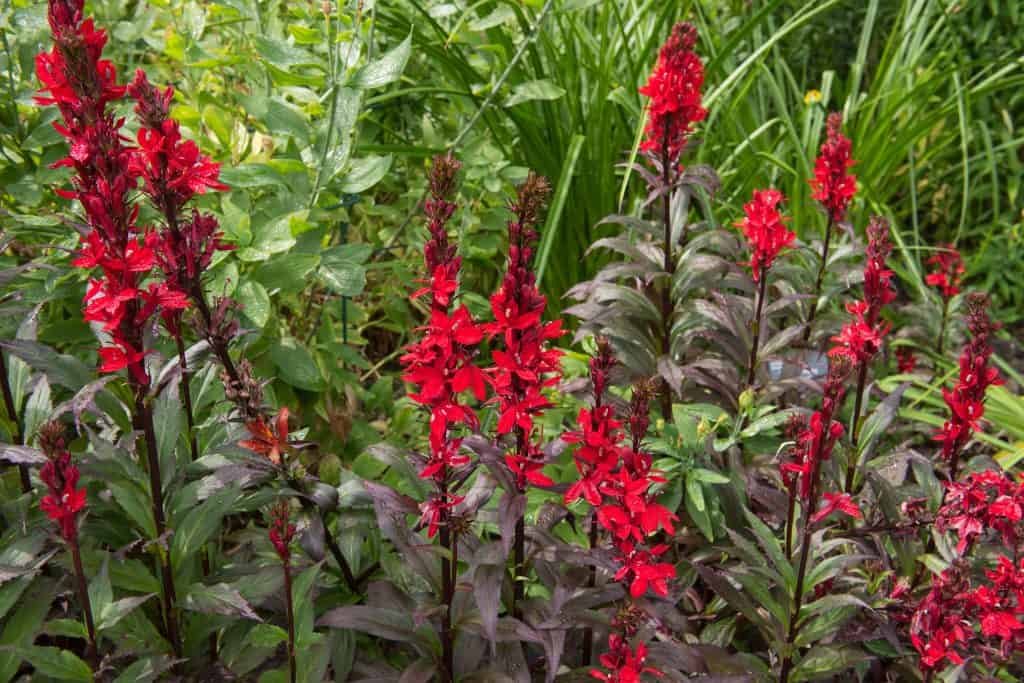
One of the most vibrant reds in the garden, cardinal flower produces stunning scarlet blooms that hummingbirds can’t resist.
Why it’s great:
- Blooms: Mid to late summer
- Height: 2-4 feet
- Hardiness: Zones 3-9
- Perfect for moist garden areas
Care tips: Prefers consistently moist soil – perfect for rain gardens, stream banks, or areas with poor drainage. Grows in full sun to partial shade.
4. Astilbe (Red Varieties)
For shade gardens, red astilbe provides elegant color when many other plants won’t bloom. The feathery plumes add texture and movement.
Why it’s great:
- Blooms: Late spring to mid-summer
- Height: 1-3 feet
- Hardiness: Zones 4-8
- Excellent for shade gardens
Care tips: Prefers partial to full shade and rich, consistently moist soil. Never let it dry out. Great under trees or on the north side of buildings.
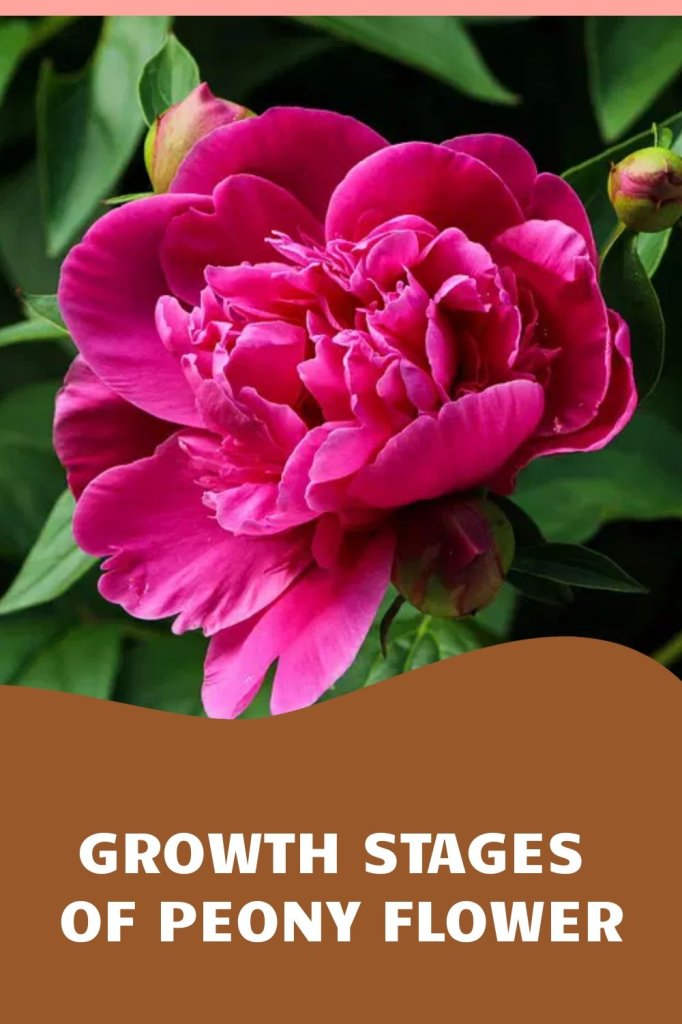
5. Peony (Red Varieties)
Nothing says “classic cottage garden” like a red peony. These magnificent flowers are prized for their huge, fragrant blooms and elegant form.
Why it’s great:
- Blooms: Late spring to early summer
- Height: 2-3 feet
- Hardiness: Zones 3-8
- Can live for 50+ years
Care tips: Plant in full sun with well-draining soil. Plant with eyes (buds) just below the soil surface – too deep prevents blooming. Support heavy blooms with hoops or stakes.
6. Yarrow (Achillea)
Yarrow delivers clusters of red flowers from early summer through fall with minimal care. This drought-tolerant perennial is perfect for low-maintenance gardens.
Why it’s great:
- Blooms: Early summer to fall
- Height: 1.5-3 feet
- Hardiness: Zones 3-9
- Extremely drought tolerant
Care tips: Thrives in full sun and poor, well-draining soil. Avoid rich soil or too much fertilizer – it causes floppy growth. Great for cutting gardens and dried arrangements.
7. Hardy Hibiscus
Despite its tropical appearance, hardy hibiscus brings dinner-plate-sized red flowers to temperate gardens. These dramatic blooms appear in mid-summer and continue into fall.
Why it’s great:
- Blooms: Mid-summer to fall
- Height: 3-7 feet
- Hardiness: Zones 4-9
- Massive, dramatic flowers
Care tips: Plant in full sun with rich, moist soil. Dies back to the ground in winter but returns vigorously in spring. Don’t give up on it too early – it emerges late!
8. Blanket Flower (Gaillardia)
Blanket flower blankets your garden in red and gold from early summer through fall. This cheerful, easy-care perennial thrives on neglect.
Why it’s great:
- Blooms: Early summer to fall
- Height: 1-2 feet
- Hardiness: Zones 3-10
- Extremely heat and drought tolerant
Care tips: Plant in full sun with well-draining soil. Tolerates poor, sandy soil. Deadhead regularly for the most blooms. Perfect for beginners.
9. Crocosmia
Also known as coppertips or montbretia, crocosmia adds architectural interest with its arching stems and tubular red flowers.
Why it’s great:
- Blooms: Mid to late summer
- Height: 2-4 feet
- Hardiness: Zones 5-9
- Great for cutting gardens
Care tips: Plant in full sun with well-draining soil. Mulch heavily in cold climates. corms multiply readily, creating impressive clumps over time.
10. Dianthus (Red Varieties)
For compact color, red dianthus provides mounds of fragrant, clove-scented flowers from late spring through summer.
Why it’s great:
- Blooms: Late spring to summer (reblooms with deadheading)
- Height: 6-18 inches
- Hardiness: Zones 4-9
- Fragrant flowers
Care tips: Plant in full sun with well-draining, slightly alkaline soil. Great for border edges, rock gardens, and containers. Shear back after first bloom for rebloom.
Choosing the Right Red Perennial for Your Garden
Consider these factors when selecting red perennials:
By Light Conditions
Full Sun: Bee balm, red hot poker, peony, yarrow, hardy hibiscus, blanket flower, crocosmia, dianthus
Partial Shade: Cardinal flower, astilbe
Full Shade: Astilbe
By Soil Moisture
Moist Soil: Cardinal flower, astilbe, bee balm, hardy hibiscus
Average to Dry Soil: Red hot poker, peony, yarrow, blanket flower, crocosmia, dianthus
By Purpose
Best for Pollinators: Bee balm, cardinal flower
Best for Shade: Astilbe
Best for Drama: Red hot poker, hardy hibiscus
Best for Low Maintenance: Yarrow, blanket flower
Best for Cutting Gardens: Peony, yarrow, crocosmia
Design Tips for Red Perennials
Create Contrast
Red flowers pop against:
- Silver foliage plants (Dusty miller, lamb’s ear)
- Purple-leaved plants (Heuchera, smoke bush)
- White flowers (Shasta daisies, white phlox)
- Blue flowers (Salvia, delphinium)
Extend the Season
Combine red perennials with different bloom times:
- Spring: Peony
- Early Summer: Dianthus, yarrow
- Mid-Summer: Bee balm, astilbe, crocosmia
- Late Summer: Red hot poker, cardinal flower, hardy hibiscus
- Fall: Yarrow, blanket flower
Consider Scale
Match plant height to your garden design:
- Tall (4+ feet): Hardy hibiscus, red hot poker, crocosmia
- Medium (2-4 feet): Bee balm, peony, cardinal flower
- Short (under 2 feet): Yarrow, blanket flower, dianthus
Quick Reference Guide
| Plant | Bloom Time | Height | Zones |
|---|---|---|---|
| Bee Balm | Mid-late summer | 2-4′ | 4-9 |
| Red Hot Poker | Late spring-summer | 2-5′ | 5-9 |
| Cardinal Flower | Mid-late summer | 2-4′ | 3-9 |
| Astilbe | Late spring-summer | 1-3′ | 4-8 |
| Peony | Late spring | 2-3′ | 3-8 |
| Yarrow | Summer-fall | 1.5-3′ | 3-9 |
| Hardy Hibiscus | Summer-fall | 3-7′ | 4-9 |
| Blanket Flower | Summer-fall | 1-2′ | 3-10 |
Final Thoughts
Red flowering perennials bring drama, color, and returning beauty to any garden. Whether you’re looking for a showstopping focal point like hardy hibiscus, a pollinator magnet like bee balm, or a low-maintenance workhorse like yarrow, there’s a red perennial for every situation.
The key to success is matching the plant to your conditions – light, soil, and moisture. Once established, these perennials reward you with years of spectacular color while requiring far less work than annual flowers.
Start with a few varieties that match your conditions, and watch your garden transform into a red-hot paradise that returns bigger and better each year.