The Allure of Dark Blue Hydrangeas
Dark blue hydrangeas are among the most captivating flowering shrubs you can grow in your garden. Their deep, rich blue blooms create stunning visual impact, whether used as focal points, hedges, or cut flowers. The intensity of their color—from vivid sky blue to deep, almost purple-blue—makes them favorites among gardeners and floral designers alike.
What many gardeners don’t realize is that achieving that perfect dark blue color is both an art and a science. While genetics play a role, the secret often lies in understanding soil chemistry and providing the right growing conditions.
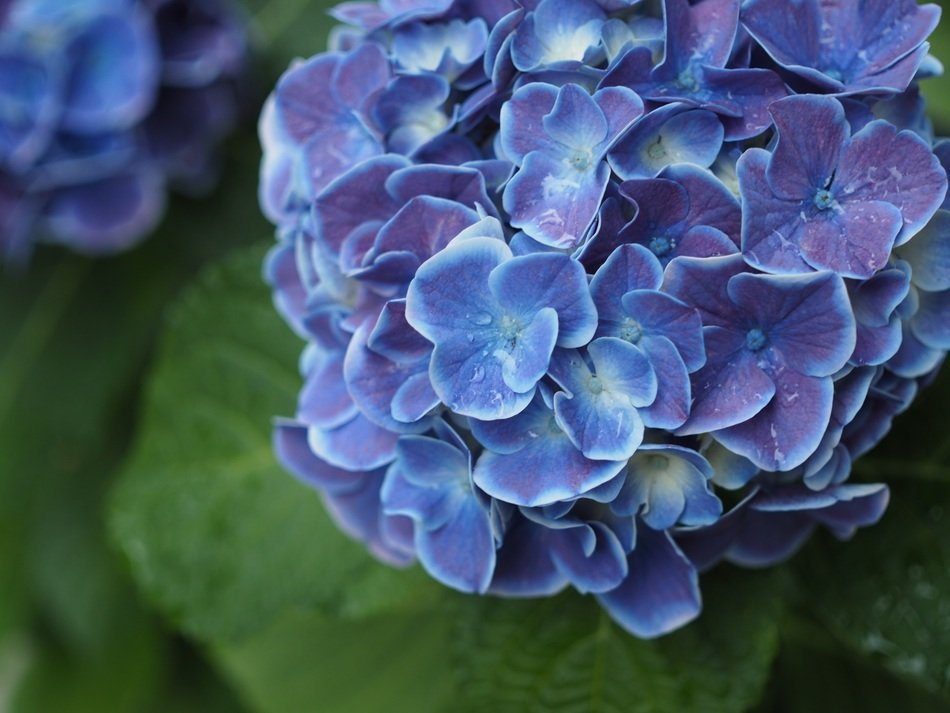
Best Dark Blue Hydrangea Varieties
Not all hydrangeas can produce blue flowers. The species most commonly associated with blue blooms is Hydrangea macrophylla, also known as bigleaf hydrangea or French hydrangea. Here are top varieties for deep blue color:
Mophead Varieties (Large, Round Blooms)
- ‘Endless Summer’: Revolutionary reblooming variety that produces flowers on old and new wood. Can achieve intense blue in acidic soil.
- ‘Nikko Blue’: Classic variety with large, deep blue mophead flowers. Reliable bloomer with excellent color intensity.
- ‘Blue Heaven’: Produces stunning sky-blue to deep blue flowers depending on soil conditions.
- ‘Mathilda Gutges’: Unique variety with serrated petals creating a lace-like appearance in shades of blue.
Lacecap Varieties (Flat, Delicate Blooms)
- ‘Blue Billow’: Features flat flower heads with tiny fertile flowers surrounded by larger sterile florets.
- ‘Lanarth White’: Can produce blue tones in center flowers when grown in acidic soil.
- ‘Mariesii Perfecta’: Classic lacecap with blue-to-pink color range based on soil pH.
Mountain Hydrangea (Hydrangea serrata)
Smaller, more cold-hardy relatives that also produce blue flowers:
- ‘Bluebird’: Compact variety with deep blue lacecap flowers
- ‘Preziosa’: Unique variety with flowers that age to blue-purple
The Science Behind Blue Hydrangea Color
Understanding Soil pH and Aluminum
The color of hydrangea flowers is determined by a fascinating interaction between soil chemistry and plant physiology:
- In acidic soil (pH 5.0-5.5): Aluminum is more available to plants. When absorbed by hydrangeas, aluminum interacts with anthocyanin pigments in the petals, producing blue flowers.
- In alkaline soil (pH 6.5-7.0): Aluminum becomes unavailable. Without aluminum, the same pigments produce pink flowers.
- In neutral soil (pH 5.5-6.5): Flowers may appear purple or a mix of blue and pink.
Target pH for Dark Blue
For the deepest, most intense blue color, aim for soil pH between 5.0 and 5.2. This range maximizes aluminum availability while still supporting healthy plant growth.
How to Achieve Dark Blue Hydrangea Color
Method 1: Lower Soil pH Naturally
Gradually acidify your soil using natural amendments:
- Elemental sulfur: Apply in fall or early spring. Takes several months to work. Use according to package directions based on current pH and soil type.
- Pine needles or bark: Use as mulch around plants. Decomposes slowly, adding acidity to soil.
- Coffee grounds: Sprinkle used, dried coffee grounds around the base of plants. Provides mild acidification.
- Peat moss: Work into soil when planting or top-dress existing plants.
Method 2: Add Aluminum Sulfate
For faster results, use aluminum sulfate:
- Application rate: 1 tablespoon per foot of plant height
- Frequency: Apply every 2-4 weeks during the growing season
- Method: Dissolve in water and apply to soil, avoiding direct contact with leaves
- Caution: Can burn roots if over-applied. Always follow package directions.
Important Notes on Color Modification
- White hydrangeas cannot be turned blue (they lack the necessary pigments)
- Color change is gradual—expect 1-2 seasons for full transformation
- Some varieties are more responsive to color modification than others
- Container-grown hydrangeas are easier to modify than those in the ground
Planting and Growing Dark Blue Hydrangeas
Site Selection
- Light: Morning sun with afternoon shade is ideal. In cooler climates, more sun is acceptable. In hot regions, more shade prevents wilting.
- Protection: Shelter from strong winds that can damage large flower heads.
- Soil: Well-draining, moisture-retentive soil rich in organic matter.
Planting Guidelines
- Timing: Plant in spring or fall when temperatures are moderate.
- Spacing: Allow 3-5 feet between plants for air circulation.
- Depth: Plant at the same depth as the nursery container.
- Soil amendment: Mix compost, peat moss, and sulfur into the planting hole.
Watering Requirements
Hydrangeas have large leaves that lose moisture quickly:
- Newly planted: Water deeply 2-3 times per week
- Established plants: Provide 1 inch of water per week
- Hot weather: May need additional watering
- Signs of stress: Wilting leaves indicate need for water
Fertilizing for Healthy Blue Blooms
Best Fertilizer Choices
- Acid-loving plant fertilizer: Formulated for azaleas, rhododendrons, and camellias
- Balanced slow-release fertilizer: Apply in early spring
- Avoid: High-phosphorus fertilizers, which can lock up aluminum
Fertilizer Schedule
- Early spring: Apply slow-release fertilizer as new growth begins
- Mid-summer: Light application if needed (avoid late summer fertilizing)
- Fall: No fertilizer—allow plants to prepare for dormancy
Pruning Dark Blue Hydrangeas
Know Your Type
Pruning depends on whether your hydrangea blooms on old wood or new wood:
Blooms on Old Wood (Most Traditional Varieties)
- Flower buds form in late summer for the following year
- Prune immediately after flowering in summer
- Avoid fall or spring pruning—will remove flower buds
Blooms on New and Old Wood (Reblooming Varieties)
- ‘Endless Summer’ and similar varieties bloom on both
- Can prune lightly in late winter/early spring
- Deadhead spent flowers to encourage more blooms
Blooms on New Wood Only (Panicle and Smooth Hydrangeas)
- Cut back to 6-12 inches in late winter or early spring
- Will not produce blue flowers—these are white/pink varieties
Winter Care for Blue Hydrangeas
Cold Climate Protection
- Mulch heavily: Apply 4-6 inches of mulch around the base after ground freezes
- Protect buds: In very cold areas, wrap plants with burlap or use protective covers
- Avoid late fertilizing: Prevents tender new growth susceptible to freeze damage
Container Plants
- Move to protected location (unheated garage or shed)
- Water occasionally—soil should not completely dry out
- Return outdoors after danger of hard frost has passed
Common Problems and Solutions
No Flowers or Few Flowers
Causes:
- Improper pruning (removed flower buds)
- Late spring frost damaged buds
- Too much shade
- Over-fertilization with nitrogen
Solutions:
- Choose reblooming varieties for more reliable flowering
- Protect from late frosts
- Ensure adequate sunlight
- Reduce fertilizer applications
Wilting Leaves
Causes: Not enough water, too much sun, or root problems
Solutions: Increase watering, provide afternoon shade, check for root rot
Pink Flowers Instead of Blue
Cause: Soil pH too high or insufficient aluminum
Solutions: Lower pH with sulfur, apply aluminum sulfate
Leaf Spots and Fungal Issues
Prevention:
- Ensure good air circulation
- Water at the base, avoiding wet leaves
- Remove affected leaves promptly
- Apply fungicide if necessary
Using Dark Blue Hydrangeas in the Garden
Design Ideas
- Foundation plantings: Use as anchors for shaded areas of your home
- Hedges: Create stunning blue flowering hedges
- Mixed borders: Combine with hostas, ferns, and other shade-loving plants
- Containers: Perfect for patio displays where soil can be controlled
- Cut flowers: Long-lasting blooms for arrangements
- Dried flowers: Hang upside down to preserve their color
Companion Plants
- Hostas: Provide contrasting foliage textures
- Astilbes: Add feathery flowers in complementary colors
- Ferns: Create a woodland atmosphere
- Rhododendrons and Azaleas: Share similar soil requirements
Conclusion
Dark blue hydrangeas are achievable with the right knowledge and care. By understanding soil chemistry, providing proper growing conditions, and selecting appropriate varieties, you can enjoy those coveted deep blue blooms in your own garden. The key lies in maintaining acidic soil with available aluminum, consistent moisture, and appropriate pruning practices.
Whether you’re starting with new plants or trying to transform pink hydrangeas to blue, patience is essential. Color modification takes time, but the reward of those stunning dark blue flower heads is well worth the effort. With proper care, your dark blue hydrangeas will become the showpiece of your garden for years to come.
This article is for educational purposes. Always follow product label directions and consult local extension services for region-specific growing recommendations.