Understanding Desert Willow Growth
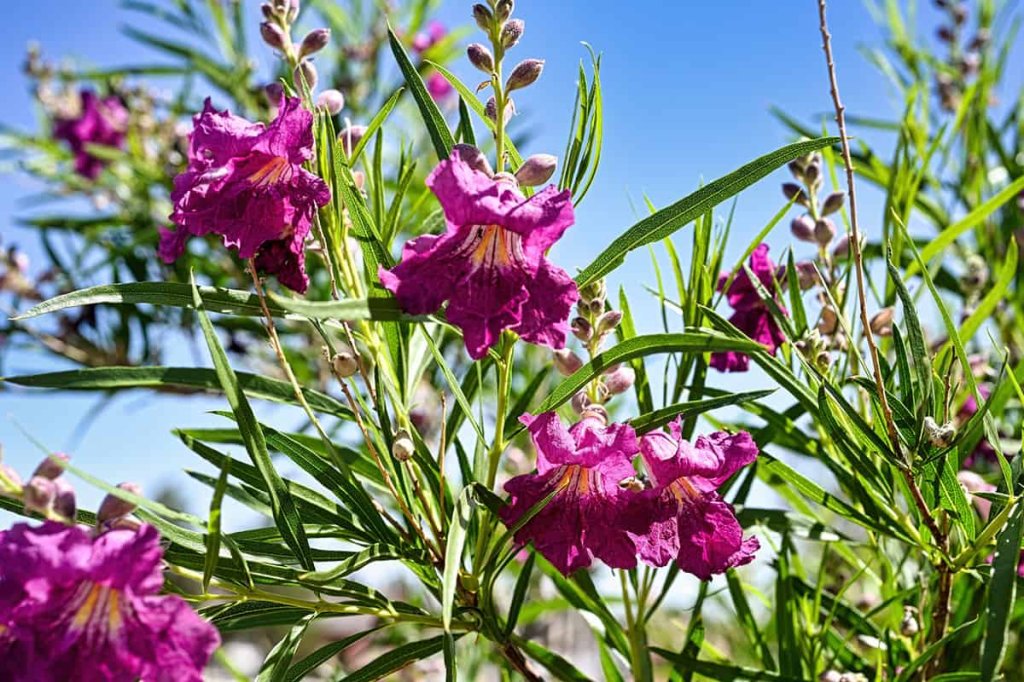
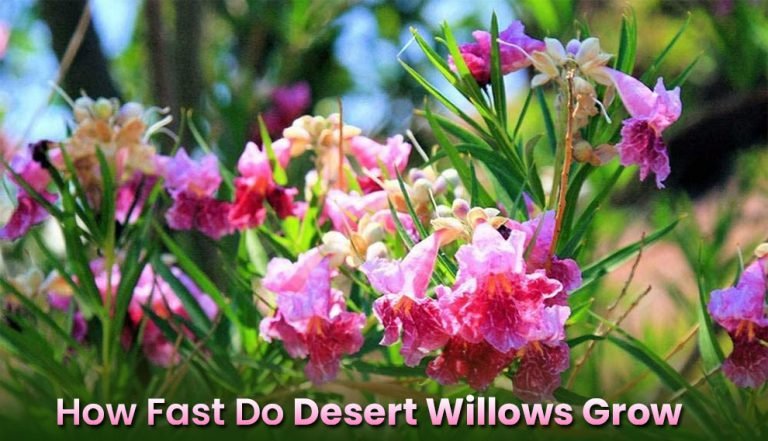
Desert willow (Chilopsis linearis) is a remarkable tree native to the southwestern United States and northern Mexico. Known for its stunning orchid-like flowers and exceptional drought tolerance, this tree has become increasingly popular in water-wise landscaping. One of the most common questions gardeners ask before planting is: how fast does desert willow grow?
The answer depends on several factors, but in general, desert willow is considered a moderate to fast-growing tree when given proper conditions. Understanding its growth rate helps you plan your landscape design and set realistic expectations for your new tree.
Desert Willow Growth Rate Overview
Typical Growth Speed
Under optimal conditions, desert willow trees grow at a moderate to fast rate:
- Annual growth: 1-3 feet per year when young and well-established
- First 5 years: Rapid establishment phase with fastest growth
- After establishment: Growth slows slightly but remains steady
- Time to maturity: 5-10 years to reach near-full size
Size at Maturity
Understanding the ultimate size helps you plan for growth:
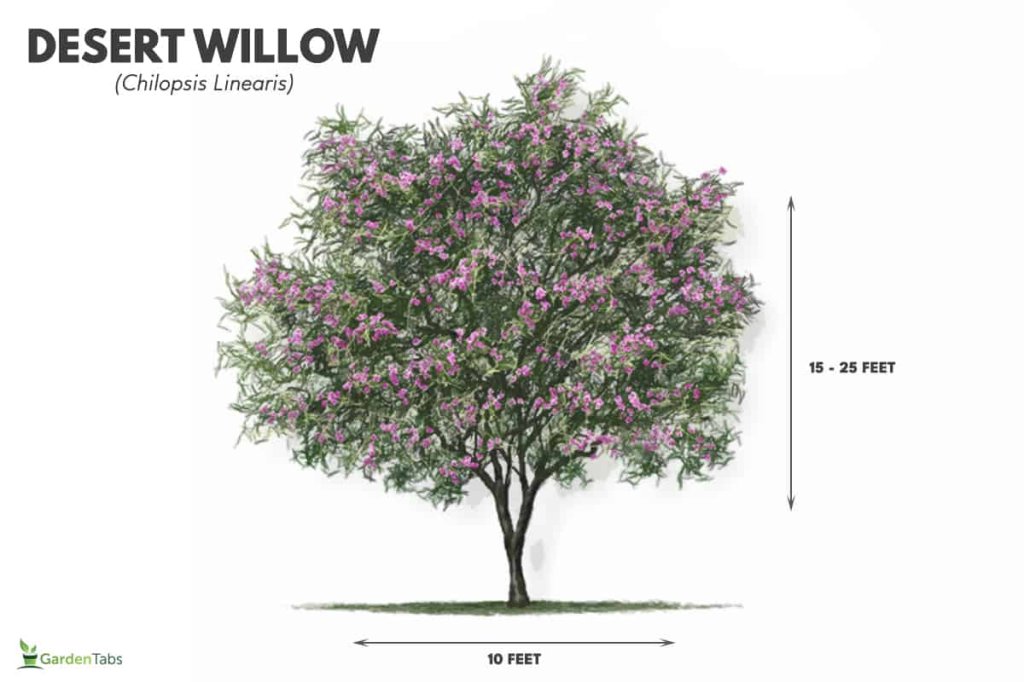
- Height: 15-40 feet tall (depending on water and conditions)
- Width/Spread: 15-25 feet wide
- Form: Multi-trunked, spreading habit with an open, airy canopy
- Trunk diameter: 6-18 inches at maturity
Growth rate and final size vary significantly based on growing conditions. Trees receiving regular irrigation grow faster and larger than those in strictly natural desert conditions.
Growth Timeline by Years
Year 1-2: Establishment Phase
Newly planted desert willows focus energy on root development:
- Height: 2-5 feet (from 1-gallon container)
- Growth rate: 1-2 feet per year
- Primary focus: Root establishment
- Water needs: Regular irrigation essential
Year 3-5: Rapid Growth Phase
Once established, growth accelerates significantly:
- Height: 8-15 feet
- Growth rate: 2-4 feet per year (optimal conditions)
- Flowering begins: Typically in year 2-3
- Root system: Spreads widely to access water
Year 6-10: Maturation Phase
Growth continues but begins to slow as tree approaches mature size:
- Height: 15-25 feet
- Growth rate: 1-2 feet per year
- Full flowering: Abundant blooms each summer
- Canopy development: Reaches mature spread
Year 10+: Mature Tree
Tree reaches near-maximum size:
- Height: 20-40 feet (depending on conditions)
- Growth rate: Minimal vertical growth; canopy fills out
- Longevity: Can live 40-150 years in proper conditions
Factors Affecting Growth Rate
1. Water Availability
Water is the most significant factor affecting desert willow growth:
- Low water (natural desert conditions): Slower growth, smaller mature size (15-20 feet)
- Moderate irrigation: Moderate growth, average size (20-30 feet)
- Regular watering: Faster growth, larger size (25-40 feet)
While desert willow is drought-tolerant once established, supplemental irrigation dramatically increases growth rate, especially during the first 3-5 years.
2. Soil Conditions
Desert willow adapts to various soils, but growth rate varies:
- Sandy/rocky soil: Excellent drainage, moderate growth
- Loam soil: Optimal growth, good balance of drainage and nutrients
- Clay soil: Slower growth, potential root issues if drainage is poor
- Alkaline soil: Well-tolerated; desert willow thrives in high pH
3. Sun Exposure
- Full sun (6+ hours direct): Maximum growth rate and flowering
- Partial shade: Reduced growth, fewer flowers
- Heavy shade: Significantly slower growth, sparse foliage
4. Temperature and Climate
Desert willow thrives in hot climates:
- Ideal range: USDA zones 7-11
- Cold tolerance: To about 0°F (-18°C) when dormant
- Heat tolerance: Excellent; thrives in temperatures over 100°F
- Short growing seasons: Reduced annual growth
5. Growing Method
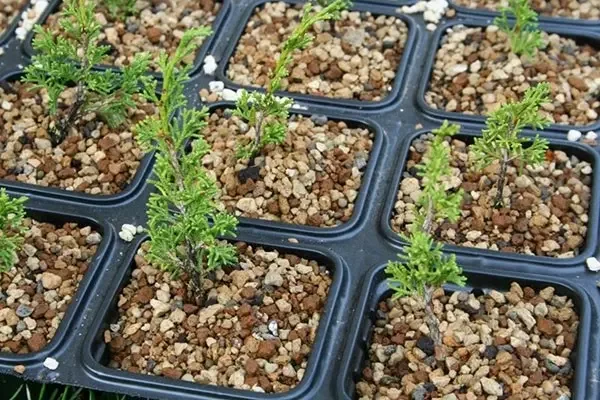
How you start your tree affects early growth:
- Container plants: Faster initial growth, easier establishment
- Bare root: Slower start, requires careful attention
- Seeds: Slowest option, 2-3 years to reach landscape-ready size
Maximizing Growth Rate
Planting Best Practices
Give your desert willow the best start:
- Timing: Plant in spring or fall for best establishment
- Hole size: 2-3 times root ball width, same depth as container
- Soil amendment: Mix native soil with compost (optional)
- Mulch: Apply 2-3 inches around base, keeping away from trunk
Watering for Fast Growth
Proper irrigation is key to maximizing growth:
- First year: Water deeply every 5-7 days in summer, every 10-14 days in cooler months
- Second year: Every 7-10 days in summer, every 2-3 weeks otherwise
- Third year onward: Every 10-14 days in summer; can reduce further as tree establishes
- Method: Deep, infrequent watering encourages deep root growth
Fertilization
Desert willow typically needs little fertilizer, but for faster growth:
- First year: Light application of balanced, slow-release fertilizer in spring
- Established trees: Optional; compost or light fertilizer annually if desired
- Avoid: High-nitrogen fertilizers that promote weak, fast growth
Pruning for Growth
Proper pruning encourages healthy development:
- Young trees: Minimal pruning; allow natural multi-trunk form to develop
- Training: Select 3-5 main trunks and remove competing shoots
- Timing: Prune in late winter while dormant
- Remove: Dead, damaged, or crossing branches
Growth Rate Comparison
How does desert willow compare to other landscape trees?
| Tree Species | Growth Rate | Annual Growth |
|---|---|---|
| Desert Willow | Moderate-Fast | 1-3 feet |
| Palo Verde | Moderate | 1-2 feet |
| Arizona Ash | Fast | 2-4 feet |
| Mesquite | Moderate-Fast | 1-3 feet |
| Live Oak | Slow-Moderate | 0.5-1.5 feet |
Popular Desert Willow Varieties and Their Growth
‘Burgundy’
Deep burgundy flowers. Growth rate similar to species. Mature size: 20-25 feet tall.
‘Bubba’
Large pink flowers, seedless variety. Fast grower. Mature size: 20-25 feet tall.
‘Art’s Seedless’
No seed pods, pink flowers. Moderate growth. Mature size: 20-30 feet tall.
‘Regal’
Large pink to lavender flowers. Fast growth rate. Mature size: 20-30 feet tall.
‘Sweet Katie Burgundy’
Compact form with dark flowers. Slightly smaller mature size: 15-20 feet.
Signs of Healthy Growth
A thriving desert willow shows these indicators:
- New growth: Fresh green shoots in spring
- Leaf development: Full, bright green leaves during growing season
- Flowering: Abundant blooms from late spring through fall
- Branch structure: Strong, well-spaced branches
- Bark: Smooth, gray-brown bark developing fissures with age
Common Growth Problems
Slow Growth Causes
- Insufficient water during establishment
- Poor drainage causing root problems
- Too much shade
- Root-bound at planting (girdling roots)
- Extreme cold damage
Excessive Fast Growth Issues
- Weak wood structure from over-fertilization
- More susceptible to wind damage
- May require more frequent pruning
Conclusion
Desert willow offers an excellent combination of moderate-to-fast growth, stunning beauty, and exceptional drought tolerance. Growing 1-3 feet annually under good conditions, this tree reaches landscape-significant size within 5-10 years. By providing proper irrigation during establishment, well-draining soil, and full sun exposure, you can maximize your desert willow’s growth rate and enjoy its orchid-like flowers for decades.
Whether you’re seeking a flowering accent tree, a drought-tolerant specimen, or fast shade in water-conscious landscapes, desert willow delivers on all fronts. Its adaptable nature and manageable growth rate make it suitable for a wide range of southwestern and southern gardens.
This article is for educational purposes. Always consult local extension services for region-specific growing recommendations.