The Short Answer: Yes, But With Caution
Jade plants (Crassula ovata) do enjoy direct sunlight, but the answer requires nuance. These popular succulents thrive in bright light conditions and can handle some direct sun exposure. However, intense, harsh afternoon sun can damage their leaves, especially for plants that haven’t been gradually acclimated. Understanding how to provide optimal light for your jade plant is key to keeping it healthy, compact, and vibrantly colored.
Native to South Africa, jade plants evolved in environments with abundant sunshine. Their thick, fleshy leaves store water and are adapted to bright, dry conditions. When grown indoors, replicating these conditions as closely as possible results in the healthiest plants.
Ideal Light Conditions for Jade Plants
Indoor Light Requirements
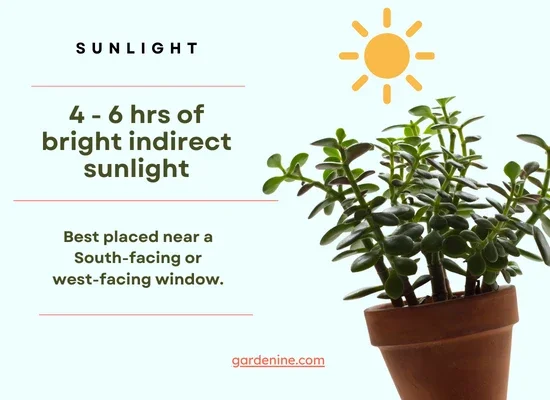
For indoor jade plants, bright light is essential. Here’s what to aim for:
- Best location: South or west-facing window
- Hours of light: 4-6 hours of bright light daily
- Direct morning sun: Excellent and beneficial
- Direct afternoon sun: Can cause leaf burn—use sheer curtains as protection
- Distance from window: Within 2-3 feet for optimal light
Signs Your Jade Plant Gets Enough Light
- Compact, bushy growth rather than leggy stems
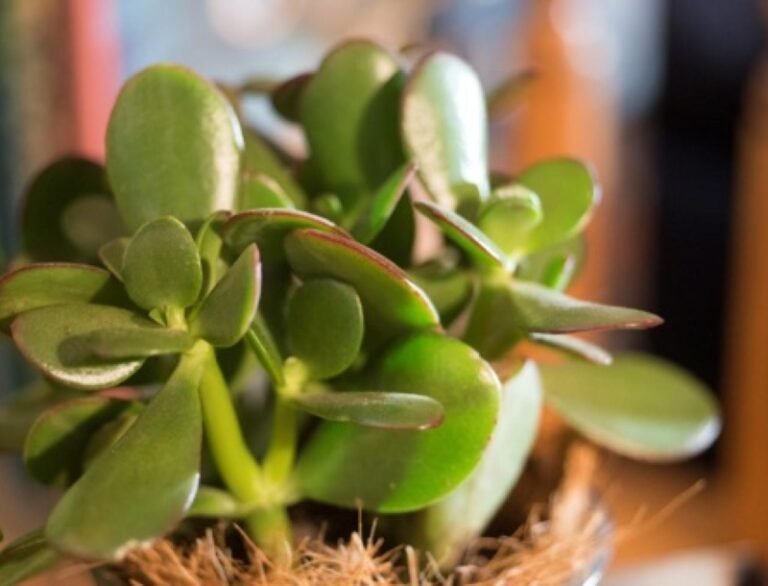
- Rich green color with reddish edges on leaves (in many varieties)
- Firm, plump leaves
- Regular growth during spring and summer
- Potential for flowering in mature plants
Signs of Too Little Light
- Leggy, stretched growth (etiolation)
- Widely spaced leaves on stems
- Pale green or yellowish color
- Drooping or weak stems
- No flowering
- Leaf drop
Can Jade Plants Tolerate Full Sun Outdoors?
Yes, jade plants can grow outdoors in full sun, but acclimation is critical. A plant that has been grown indoors cannot be moved directly into full sun without suffering damage.
How to Acclimate an Indoor Jade to Outdoor Sun
- Start slowly: Begin with 1 hour of morning sun
- Gradually increase: Add 30-60 minutes of sun exposure every few days
- Timeline: Full acclimation takes 2-3 weeks
- Monitor: Watch for signs of sunburn (brown or white patches on leaves)
- Protection: Provide afternoon shade initially
Outdoor Growing Conditions
- Best climates: USDA zones 10-11 (can survive light frost)
- Full morning sun: Ideal for most varieties
- Afternoon shade: Beneficial in hot climates (90°F+)
- Container growing: Allows moving plants to optimal light conditions
Sunburn vs. Healthy Sun Exposure
Signs of Sunburn (Too Much Direct Sun)
- White, tan, or brown patches on leaves
- Dry, crispy leaf edges
- Leaves feel thinner and papery
- Permanent damage—affected areas won’t recover
Healthy Sun Exposure Signs
- Red or purple tints on leaf edges (natural stress coloring)
- Compact, sturdy growth
- Firm, turgid leaves
- Overall rich color
Seasonal Light Considerations
Spring and Summer
- Maximum light exposure
- Move plants closer to windows or outdoors
- Active growth period
- Can tolerate more direct sun
Fall and Winter
- Light levels naturally decrease
- Move plants to brightest available location
- Growth slows—don’t worry about slight stretching
- Consider grow lights if natural light is insufficient
Using Grow Lights for Jade Plants
When natural light is insufficient, grow lights can supplement or replace sunlight:
Best Grow Light Options
- LED grow lights: Energy-efficient, produce little heat
- Fluorescent lights: Good for small collections
- Full-spectrum lights: Most similar to natural sunlight
Grow Light Guidelines
- Duration: 12-14 hours daily
- Distance: 6-12 inches above the plant
- Intensity: Medium to bright
- Color: Full spectrum or cool white
Jade Plant Light Requirements by Variety
Most jade plant varieties have similar light needs, but some differences exist:
Common Jade (Crassula ovata)
Tolerates bright light to full sun with acclimation. Develops red edges with good light.
Gollum Jade (Crassula ovata ‘Gollum’)
Similar light requirements. Funnel-shaped leaves may show more color in bright light.
Variegated Jade Varieties
Require slightly less intense light to preserve variegation. Too much sun can cause bleaching.
Jade Tree (Crassula arborescens)
Larger species that thrives in bright light to full sun outdoors.
Troubleshooting Common Light Problems
Problem: Leggy, Stretched Plant
Cause: Insufficient light
Solution: Move to brighter location, add grow lights, or prune and propagate to start fresh
Problem: Sunburned Leaves
Cause: Too much direct sun without acclimation
Solution: Move to shadier spot, damaged leaves won’t recover but new growth will be healthy
Problem: Pale or Yellow Leaves
Cause: May be low light, overwatering, or nutrient deficiency
Solution: Increase light, check watering practices, fertilize during growing season
Problem: Leaves Turning Red/Purple
Cause: Natural stress response to bright light (usually desirable)
Solution: This is often a sign of healthy light exposure; no action needed
Light and Flowering
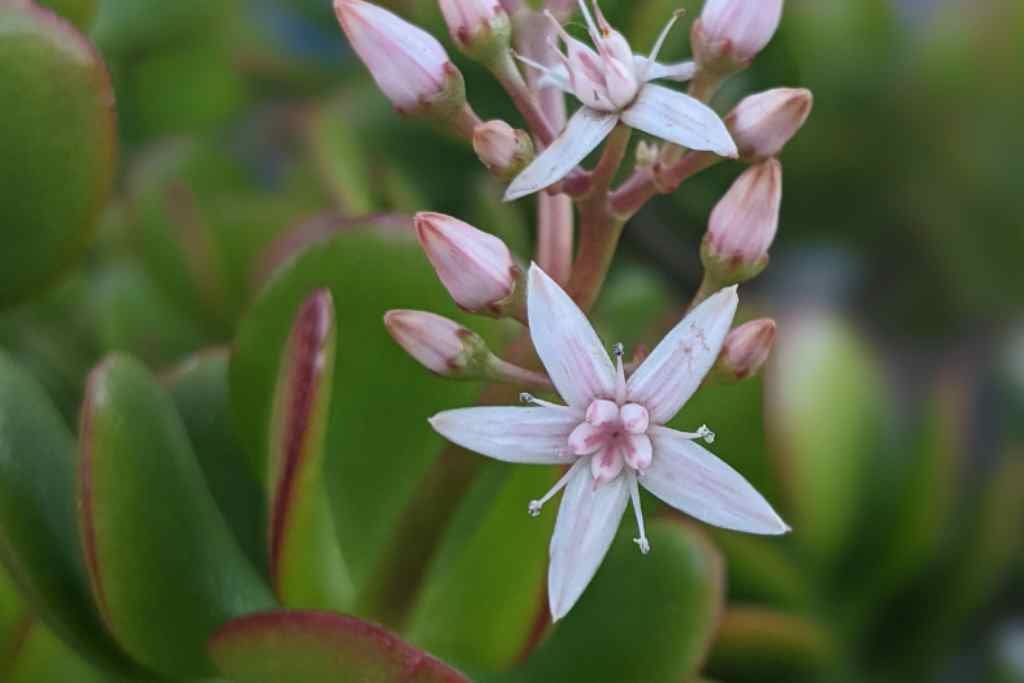
Jade plants can produce clusters of small, star-shaped white or pink flowers, but flowering requires specific conditions:
- Mature plants: Usually 3-5 years old before flowering
- Shorter winter days: Mimic natural seasonal cycles
- Cooler winter temperatures: 50-55°F (10-13°C) nights help trigger blooming
- Bright light: Essential for energy to produce flowers
- Reduced winter watering: Creates mild stress that encourages flowering
Quick Reference: Jade Plant Light Chart
| Light Condition | Suitability | Notes |
|---|---|---|
| Bright indirect light | Excellent | Best for indoor plants |
| Morning direct sun | Excellent | Promotes compact growth |
| Filtered afternoon sun | Good | Use sheer curtains |
| Full afternoon sun | Caution | May cause sunburn |
| Medium light | Acceptable | May become leggy over time |
| Low light | Poor | Causes stretching, weak growth |
Conclusion
Jade plants do like direct sun, particularly gentle morning rays that promote healthy, compact growth and enhance their natural coloring. The key is providing bright light while protecting plants from harsh, intense afternoon sun that can cause sunburn. Whether grown indoors near a bright window or outdoors in suitable climates, jade plants reward proper light exposure with vigorous growth, beautiful form, and potential flowers.
Remember: gradual acclimation is essential when moving jade plants into brighter conditions. Start slowly, monitor your plant’s response, and adjust as needed. With the right light conditions, your jade plant can thrive for decades, becoming a treasured specimen that grows more beautiful with age.
This article is for educational purposes. Always observe your specific plant’s response to conditions and adjust care accordingly.