How to Keep Hydrangeas Alive and Thriving
Hydrangeas are beloved for their stunning clusters of blue, pink, purple, or white flowers that brighten gardens from summer through fall. But many gardeners struggle with keeping these beautiful shrubs healthy. If you have ever asked how do you keep hydrangeas alive, you are not alone. The good news is that with the right care, hydrangeas can thrive for decades.
Light Requirements: The Key to Success
One of the most common reasons hydrangeas fail is incorrect light exposure. These plants have specific preferences:
- Morning sun, afternoon shade: This is the ideal combination for most hydrangeas
- 4-6 hours of morning light: Enough sun to fuel blooms without causing stress
- Protection from intense afternoon sun: Prevents wilting and leaf scorch
- Too much shade: Results in fewer blooms and leggy growth
In cooler climates, hydrangeas can tolerate more sun. In hot regions, afternoon shade is essential.
Watering: The Most Critical Factor
Hydrangeas are thirsty plants with “hydro” right in their name. Proper watering is often the difference between a thriving plant and a struggling one:
- Keep soil consistently moist: Not soggy, but never completely dry
- Water deeply: 1-2 times per week, more in hot weather
- New plantings need extra attention: Water frequently until established
- Container plants dry out faster: Check pots daily in summer
Wilting leaves are a sign your hydrangea needs water immediately. While they often recover after watering, repeated stress weakens the plant.
Soil: Rich, Moisture-Retentive, and Well-Drained
Hydrangeas prefer soil that holds moisture but drains well:
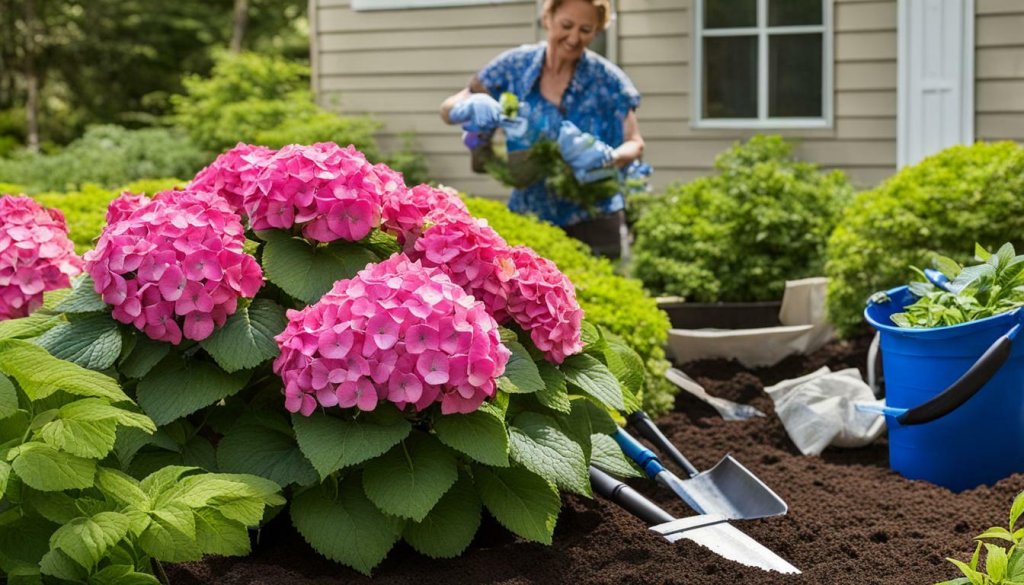
- Add organic matter: Compost, aged manure, or peat moss improves soil structure
- Avoid heavy clay: Amending with compost helps prevent root rot
- Apply mulch: 2-3 inches of bark mulch keeps roots cool and moist
- Maintain soil moisture: Mulch reduces watering frequency significantly
Soil pH and Flower Color
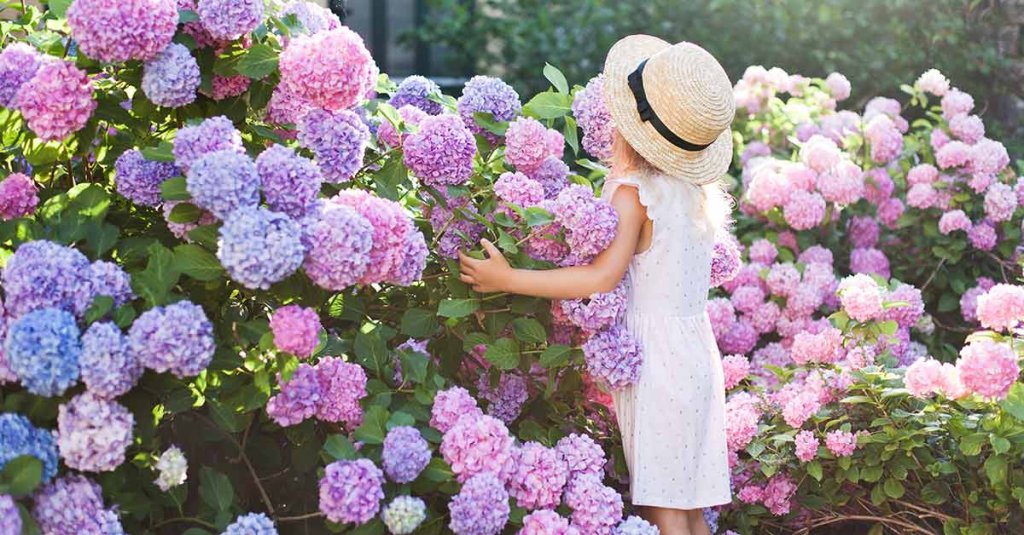
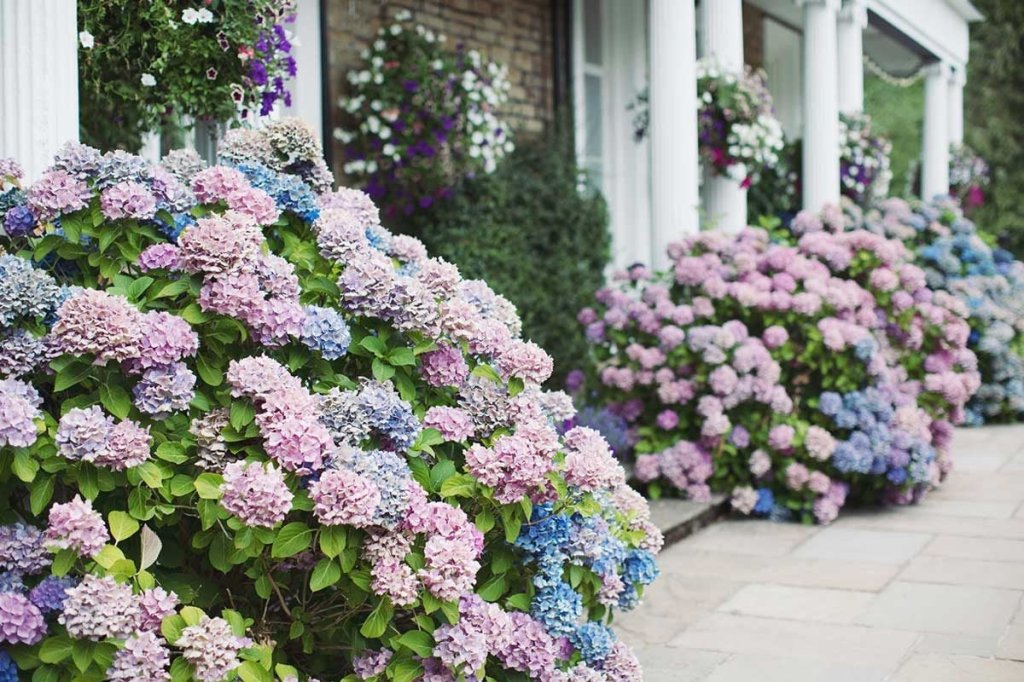
One of the fascinating features of many hydrangeas is their ability to change color based on soil pH:
- Acidic soil (pH below 6): Produces blue flowers
- Alkaline soil (pH above 7): Produces pink flowers
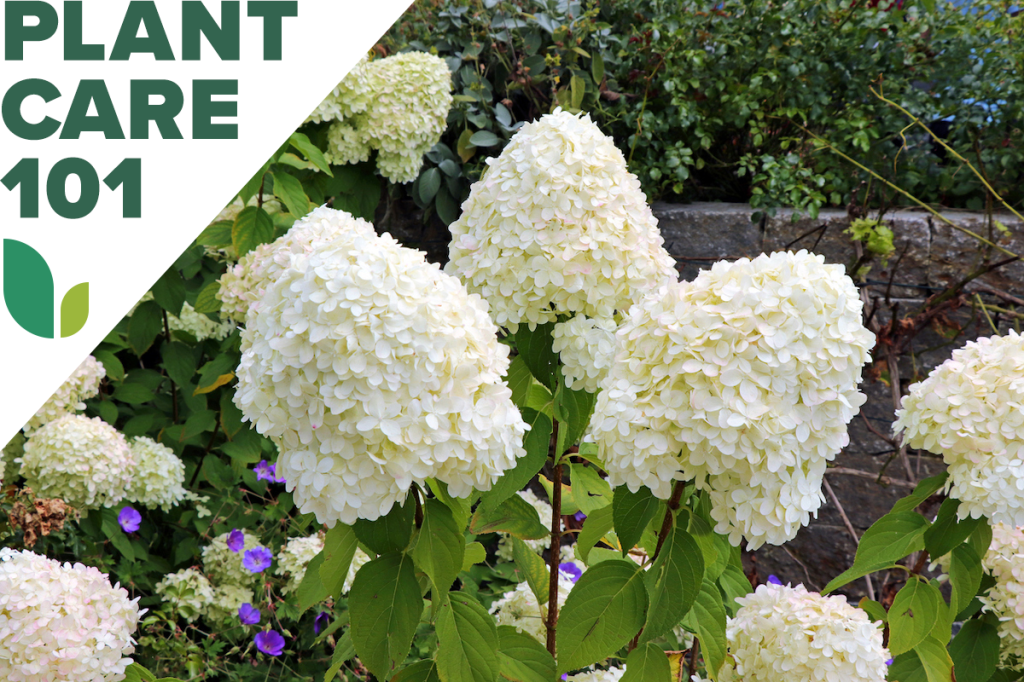
- White varieties: Generally unaffected by soil pH
If you want blue flowers, add aluminum sulfate or acidifying amendments. For pink blooms, add lime to raise pH.
Fertilizing: Less Is More
Many gardeners harm their hydrangeas with too much fertilizer:
- Fertilize lightly in spring: One application of balanced fertilizer is usually enough
- Avoid high-nitrogen fertilizers: These promote leaves at the expense of flowers
- Do not fertilize late in the season: This encourages tender growth that may not harden before winter
Pruning: Know Your Hydrangea Type
Improper pruning is a major reason hydrangeas fail to bloom. Different types require different approaches:
- Bigleaf hydrangeas (Hydrangea macrophylla): Bloom on old wood; prune right after flowering
- Panicle hydrangeas (Hydrangea paniculata): Bloom on new wood; prune in late winter or early spring
- Smooth hydrangeas (Hydrangea arborescens): Bloom on new wood; cut back in early spring
- Oakleaf hydrangeas: Bloom on old wood; prune after flowering
If you are unsure which type you have, wait and observe when it blooms before making major cuts.
Winter Protection
In cold climates, hydrangeas benefit from winter protection:
- Do not cut back in fall: Leave stems intact to protect buds
- Apply extra mulch: Mound around the base after the ground freezes
- Protect from harsh winds: Wind can dry out stems and damage buds
- Use burlap wraps: In exposed sites, wrap plants to prevent winter damage
Common Problems and Solutions
Wilting
Usually caused by underwatering or too much sun. Water deeply and provide afternoon shade.
Few or No Flowers
Often due to improper pruning, late frost damage, or too much shade. Identify your hydrangea type and prune correctly.
Leaf Spots
Fungal issues from overhead watering or poor air circulation. Water at the base and space plants properly.
Important Safety Note
Hydrangeas contain compounds that are toxic if ingested by pets or humans. Keep curious cats, dogs, and children away from these plants.
Conclusion
Keeping hydrangeas alive comes down to proper light, consistent moisture, well-drained soil, and correct pruning. These beautiful shrubs reward good care with spectacular blooms year after year. By understanding your hydrangea’s needs and providing the right conditions, you can enjoy these garden classics for decades.