The Short Answer: Usually Not Fatal, But Needs Attention
Seeing white fungus on your trees can be alarming, but the good news is that most white fungal growths on trees are not immediately fatal. The most common culprit—powdery mildew—is primarily a cosmetic issue that rarely kills established trees. However, severe or recurring infections can weaken trees over time, making them more susceptible to other problems.
The danger level depends on the type of white fungus, the tree species, and the extent of the infection. Understanding what you’re dealing with is essential for determining the appropriate response.
Types of White Fungus on Trees
1. Powdery Mildew (Most Common)
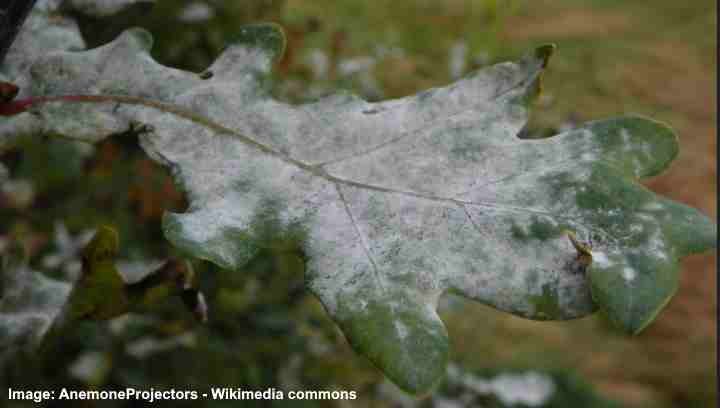
Powdery mildew is by far the most common white fungus found on trees. It appears as a white to gray powdery coating on leaves, shoots, and sometimes flowers and fruit. Unlike other fungi, powdery mildew doesn’t need water to grow—in fact, it thrives in dry conditions with high humidity.
Danger Level: Low to Moderate
- Rarely kills established trees
- Primarily cosmetic damage
- Can weaken trees if severe or recurring
- May reduce fruit production and quality
Susceptible Trees
- Maples
- Oak
- Sycamore
- Crabapple
- Lilac
- Roses (shrub)
2. White Rot Fungus
White rot fungi attack the wood of trees, breaking down lignin and cellulose. This creates a soft, white, spongy decay in heartwood and sapwood. Unlike powdery mildew, white rot can be serious.
Danger Level: Moderate to High
- Can structurally weaken trees
- Often indicates advanced decay
- May lead to branch failure
- Common in stressed or wounded trees
3. Saprophytic Fungi
White crust-like or fuzzy growths on tree bark or dead wood are often saprophytic fungi. These feed on dead organic matter and are generally not harmful to living tissue.
Danger Level: Low
- Feed only on dead wood
- Don’t attack living tissue
- Often indicate dead branches or wounds
- Generally benign
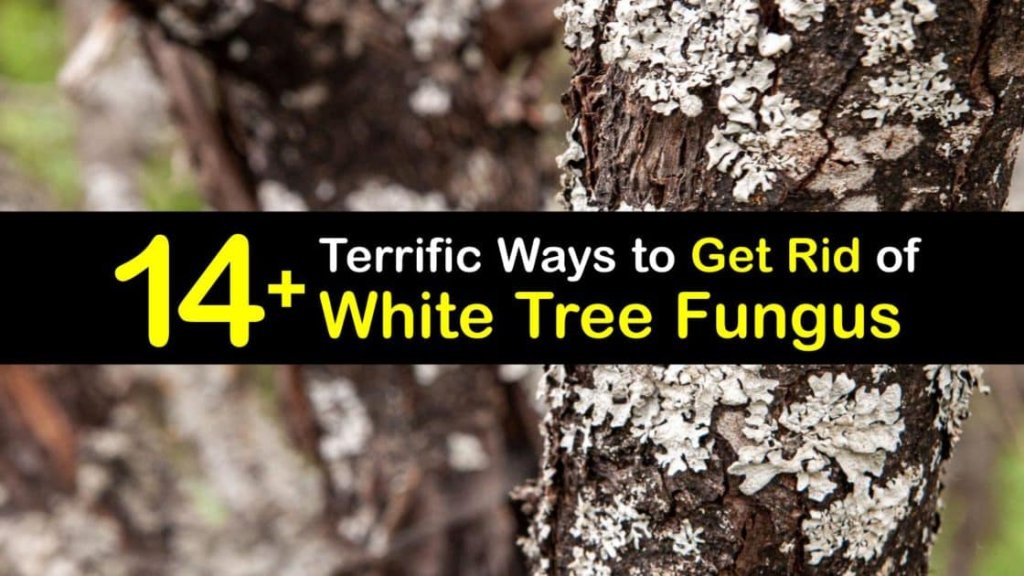
4. Lichens
Those gray-green to white crusty patches on bark are often lichens—a partnership between fungi and algae. They’re not actually fungi attacking your tree.
Danger Level: None
- Harmless to trees
- Don’t penetrate bark
- Actually indicate good air quality
- No treatment needed
When White Fungus IS Dangerous
While powdery mildew itself rarely kills trees, there are situations where white fungus signals serious problems:
Warning Signs of Serious Fungal Disease
- White growth on trunk or branches: May indicate heart rot or canker diseases
- Mushroom-like conks at base: Root rot indicator—potentially fatal
- Soft, crumbly wood: Advanced decay requiring immediate attention
- Rapid canopy decline: Suggests root or vascular disease
- Dieback from branch tips: May indicate serious vascular infection
Trees Most at Risk
- Young, newly planted trees
- Stressed trees (drought, poor soil, damage)
- Trees already weakened by other problems
- Highly susceptible species in powdery mildew-prone areas
How Powdery Mildew Affects Tree Health
Direct Effects
- Reduced photosynthesis: White coating blocks sunlight
- Stunted growth: Less energy for development
- Leaf distortion: New leaves may be deformed
- Premature leaf drop: Trees lose foliage early
Indirect Effects
- Increased stress: Makes trees susceptible to other problems
- Reduced vigor: Slower growth, poor appearance
- Winter vulnerability: Less stored energy for spring
- Secondary infections: Weakened trees attract pests and diseases
Conditions That Promote White Fungus
Powdery Mildew Favors:
- Warm, dry days with cool, humid nights
- Poor air circulation around trees
- Shaded, crowded plantings
- Susceptible tree varieties
- Late summer through fall
White Rot Favors:
- Tree wounds (pruning cuts, storm damage)
- Stressed trees
- Poor growing conditions
- Existing decay or damage
Treatment Options for White Fungus
Treating Powdery Mildew
Cultural Controls
- Improve air circulation around trees
- Prune to open up dense canopies
- Remove and destroy infected leaves
- Avoid overhead watering
- Water early in the day so foliage dries
Organic Treatments
- Neem oil: Effective against mild infections
- Baking soda spray: 1 tablespoon per gallon of water, plus a few drops of dish soap
- Potassium bicarbonate: Commercial products available
- Sulfur: Preventive fungicide, apply before symptoms appear
- Milk spray: 1 part milk to 9 parts water (surprisingly effective)
Chemical Fungicides
- Use only for severe or recurring infections
- Apply according to label directions
- Choose products labeled for powdery mildew
- Often unnecessary for established trees
Treating More Serious Fungal Problems
For White Rot
- Consult a certified arborist
- Assess structural integrity
- Remove seriously decayed branches
- Improve tree health through proper care
- Consider removal if tree is hazardous
Prevention Strategies
Proper Tree Selection
- Choose disease-resistant varieties
- Select trees suited to your climate
- Research susceptibility before planting
Proper Planting
- Provide adequate spacing for air circulation
- Plant in appropriate light conditions
- Ensure good drainage
- Avoid crowding with other plants
Ongoing Care
- Water deeply but infrequently
- Avoid wetting foliage
- Prune for good structure and air flow
- Fertilize appropriately (avoid excess nitrogen)
- Remove fallen leaves in autumn
Sanitation
- Rake and destroy infected leaves
- Clean pruning tools between cuts
- Remove dead or dying branches promptly
- Don’t compost infected material
When to Call a Professional
Consult a certified arborist if:
- White fungus appears on trunk or major branches
- You see conks or mushrooms at tree base
- Tree shows signs of decline (dieback, yellowing, thin canopy)
- Large branches are affected
- Tree is near structures or high-traffic areas
- Infection recurs despite treatment
Quick Reference: Is White Fungus Dangerous?
| Type | Location | Danger Level | Action |
|---|---|---|---|
| Powdery mildew | Leaves, shoots | Low-Moderate | Treat if severe; prevent recurrence |
| White rot | Trunk, branches | Moderate-High | Consult arborist |
| Saprophytic fungi | Dead wood | Low | Remove dead wood |
| Lichens | Bark surface | None | No action needed |
| Root rot conks | Tree base | High | Immediate arborist evaluation |
Conclusion
White fungus on trees—most commonly powdery mildew—is usually more unsightly than dangerous. For established trees, the primary concern is cosmetic appearance and potential weakening from severe or recurring infections. Young trees, stressed trees, and susceptible species deserve more attention and intervention.
The key is identifying what type of white fungus you’re dealing with. Powdery mildew on leaves is manageable through cultural practices and organic treatments. White growth on trunks or at the base may signal more serious problems requiring professional evaluation.
Prevention through proper tree selection, planting, and care remains the best strategy. Healthy, well-maintained trees resist fungal infections better and recover more quickly when problems do occur. When in doubt, consult a certified arborist who can provide accurate diagnosis and appropriate treatment recommendations for your specific situation.
This article is for educational purposes. For serious tree health concerns, consult a certified arborist or your local extension service.