Why Choose Long Blooming Perennial Plants?
If you want a garden that stays colorful for months without constant replanting, long blooming perennial plants are the answer. These hardy plants return year after year and produce flowers for extended periods, often from early summer well into fall. By choosing the right varieties, you can enjoy weeks or even months of continuous color with relatively low maintenance.
What Makes a Perennial “Long Blooming”?
Most perennials flower for a few weeks each year. Long blooming varieties, however, have been bred or naturally selected to flower for eight weeks or more. Some continue blooming from late spring until the first frost. Key factors that contribute to extended bloom time include:
- Genetic traits: Some species naturally produce flowers over a long season
- Deadheading tolerance: Removing spent flowers encourages new blooms
- Successional flowering: Some plants produce flower spikes in waves
- Climate adaptability: Plants suited to your zone often perform longer
Top Long Blooming Perennials for Your Garden
1. Geranium ‘Rozanne’ (Cranesbill)
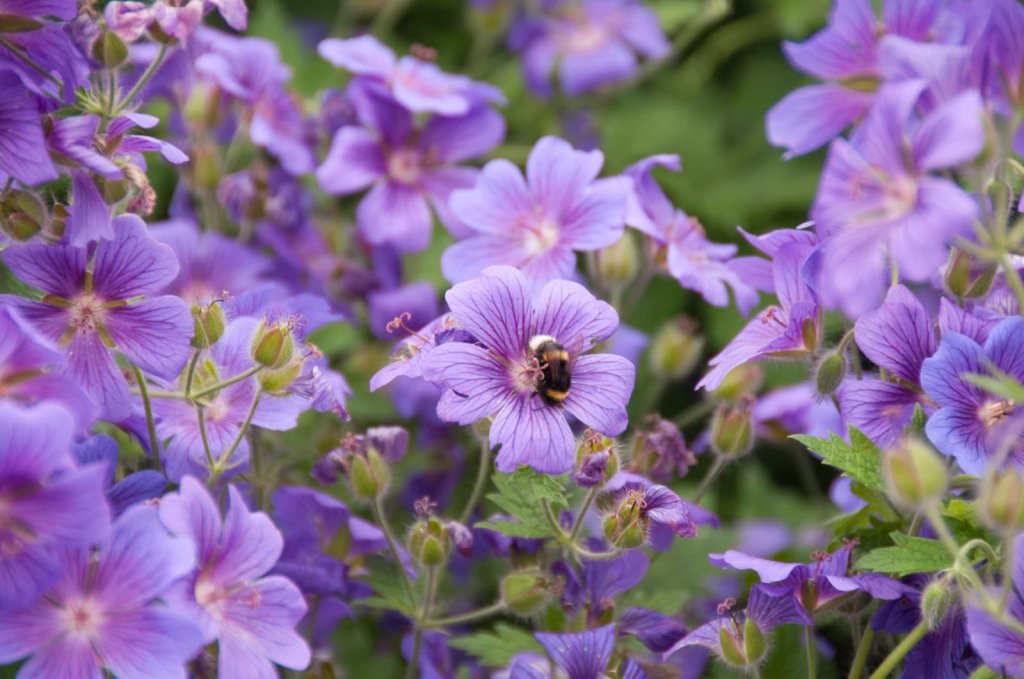
This hardy geranium is famous for its exceptionally long bloom time, often flowering from late spring until first frost. It produces masses of violet-blue flowers with white centers and forms a neat, mounding habit.
- Bloom time: Late spring to frost
- Height: 18-24 inches
- Sun: Full sun to part shade
- Soil: Well-drained, average moisture
2. Russian Sage (Perovskia atriplicifolia)
Russian sage offers airy spikes of lavender-blue flowers over silvery, aromatic foliage. It thrives in hot, dry conditions and looks beautiful in borders or mass plantings.
- Bloom time: Mid-summer to early fall
- Height: 3-5 feet
- Sun: Full sun
- Soil: Well-drained, drought tolerant once established
3. Coneflower (Echinacea)
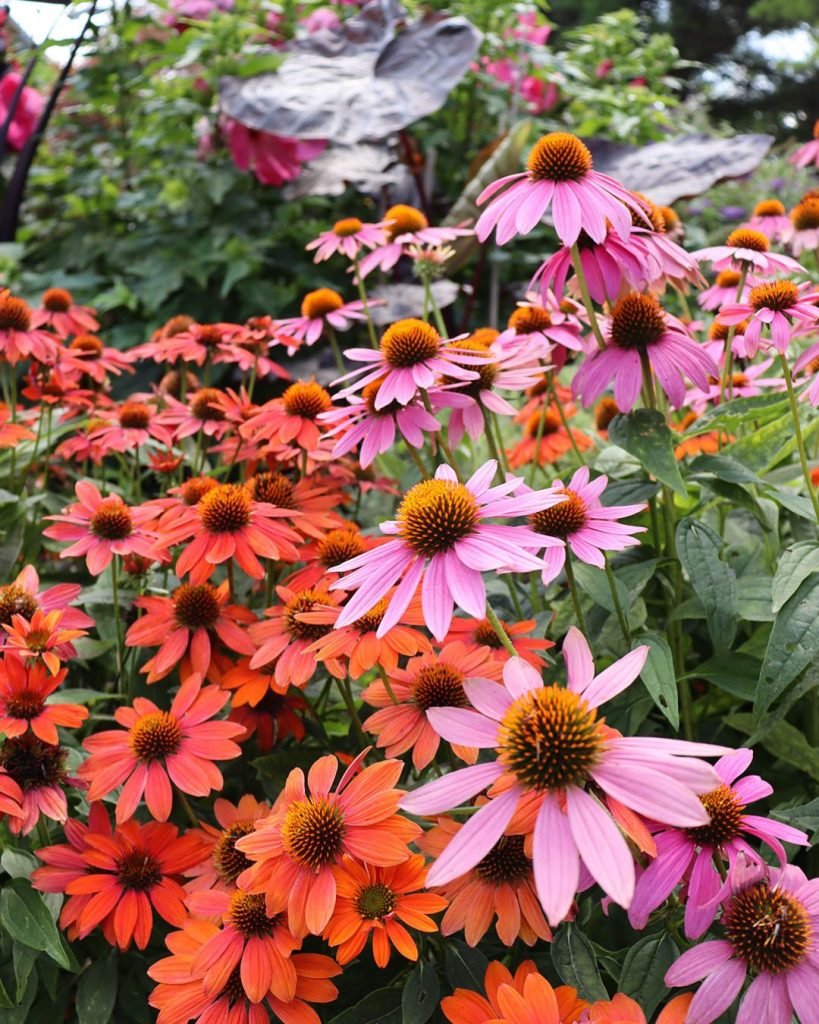
Coneflowers are native prairie plants with daisy-like blooms in purple, pink, white, and even yellow. They attract butterflies and bees and make excellent cut flowers.
- Bloom time: Early summer to early fall
- Height: 2-4 feet
- Sun: Full sun
- Soil: Well-drained, tolerates poor soil
4. Coreopsis (Tickseed)
Coreopsis produces bright yellow, orange, or red flowers that light up the garden. It is easy to grow and tolerates heat and drought.
- Bloom time: Early summer to fall
- Height: 1-3 feet
- Sun: Full sun
- Soil: Well-drained, average to dry
5. Black-eyed Susan (Rudbeckia)
With golden-yellow petals and dark centers, black-eyed Susans are classic summer flowers. They naturalize well and provide seeds for birds in fall.
- Bloom time: Mid-summer to fall
- Height: 2-3 feet
- Sun: Full sun
- Soil: Well-drained, adaptable
6. Salvia (Perennial Sage)
Perennial salvias offer spikes of blue, purple, or white flowers that attract pollinators. Many varieties bloom twice if cut back after the first flush.
- Bloom time: Late spring to fall (with deadheading)
- Height: 18-36 inches
- Sun: Full sun
- Soil: Well-drained
7. Catmint (Nepeta)
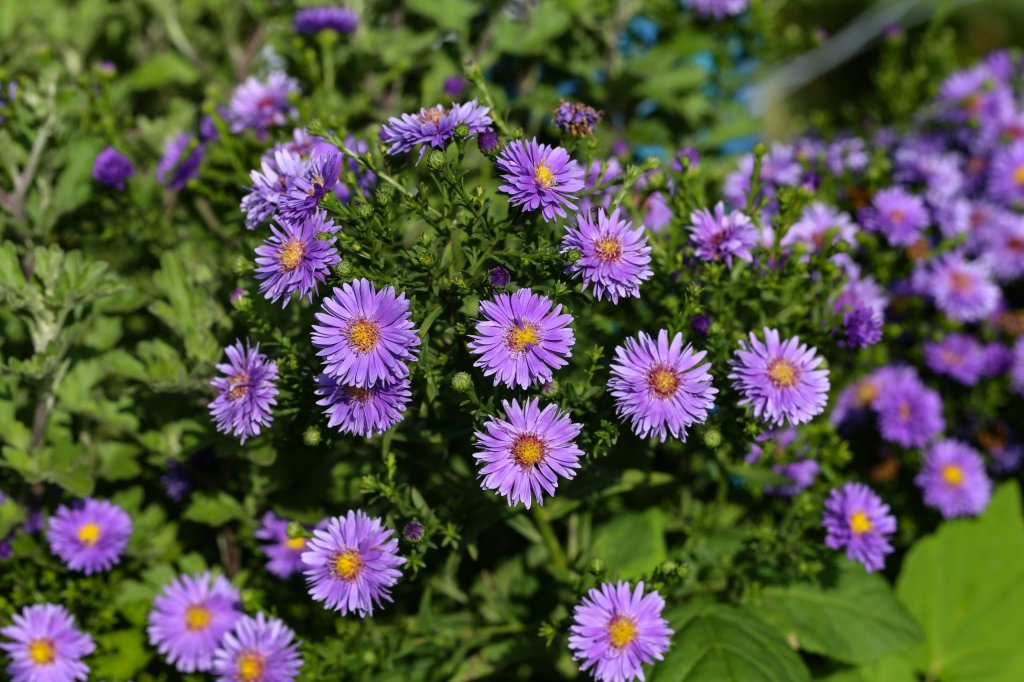
Catmint produces soft mounds of gray-green foliage topped with lavender-blue flowers. It is deer resistant and pairs beautifully with roses and other perennials.
- Bloom time: Late spring to fall (with trimming)
- Height: 12-24 inches
- Sun: Full sun
- Soil: Well-drained, tolerates drought
8. Yarrow (Achillea)
Yarrow offers flat-topped flower clusters in shades of yellow, pink, red, and white. It is tough, drought tolerant, and excellent for cut or dried flowers.
- Bloom time: Early summer to fall
- Height: 2-3 feet
- Sun: Full sun
- Soil: Well-drained, poor to average
9. Garden Phlox (Phlox paniculata)
Garden phlox produces fragrant clusters of pink, white, red, or purple flowers on tall stems. It prefers more moisture than some other perennials but rewards with weeks of color.
- Bloom time: Mid-summer to early fall
- Height: 2-4 feet
- Sun: Full sun to part shade
- Soil: Moist, well-drained
10. Veronica (Speedwell)
Veronica forms spires of blue, purple, pink, or white flowers that add vertical interest to borders. It is easy to grow and long blooming.
- Bloom time: Early summer to fall
- Height: 12-24 inches
- Sun: Full sun
- Soil: Well-drained
Tips for Extending Bloom Time
Deadhead Regularly
Removing faded flowers prevents seed formation and encourages plants to produce more blooms. This is especially effective for coneflowers, salvias, and coreopsis.
Provide Adequate Sunlight
Most long blooming perennials perform best in full sun (at least 6 hours per day). In hotter climates, some afternoon shade can help prolong flowering.
Water Consistently
While many of these plants tolerate drought once established, consistent moisture during dry spells helps maintain continuous bloom.
Avoid Excess Nitrogen
Too much nitrogen fertilizer promotes leafy growth at the expense of flowers. Use a balanced or low-nitrogen fertilizer in spring.
Divide When Needed
Over time, some perennials become crowded and flower less. Dividing every 3-4 years rejuvenates plants and improves bloom production.
Design Ideas for Long Blooming Perennials
- Borders: Combine tall varieties like Russian sage and black-eyed Susan in the back, with shorter catmint and geraniums in front
- Pollinator gardens: Mix coneflower, salvia, and yarrow to attract bees and butterflies all season
- Cut flower gardens: Plant coneflowers, black-eyed Susans, and yarrow for long-lasting bouquets
- Mass plantings: Use single varieties in groups of three or more for bold color impact
Conclusion
Long blooming perennial plants are the backbone of a colorful, low-maintenance garden. By choosing varieties like Geranium ‘Rozanne’, Russian sage, coneflower, and coreopsis, you can enjoy months of flowers from summer through fall. With proper siting, occasional deadheading, and basic care, these reliable performers will return year after year to brighten your landscape.
For more perennial recommendations, see resources like The Spruce.