The Appeal of Feathery Foliage
Plants with feathery leaves bring a unique softness and elegance to any garden or indoor space. Their delicate, finely divided foliage creates texture and movement that contrasts beautifully with broader-leaved plants. Whether you’re designing a woodland garden, creating a serene indoor sanctuary, or seeking plants that add visual interest without dominating the landscape, feathery-leaved plants offer endless possibilities.
The term “feathery leaves” describes foliage with finely divided, fern-like segments that create a soft, airy appearance. These plants range from true ferns to flowering perennials, trees, and even houseplants, each bringing its own character to the garden.
Top Plants with Feathery Leaves
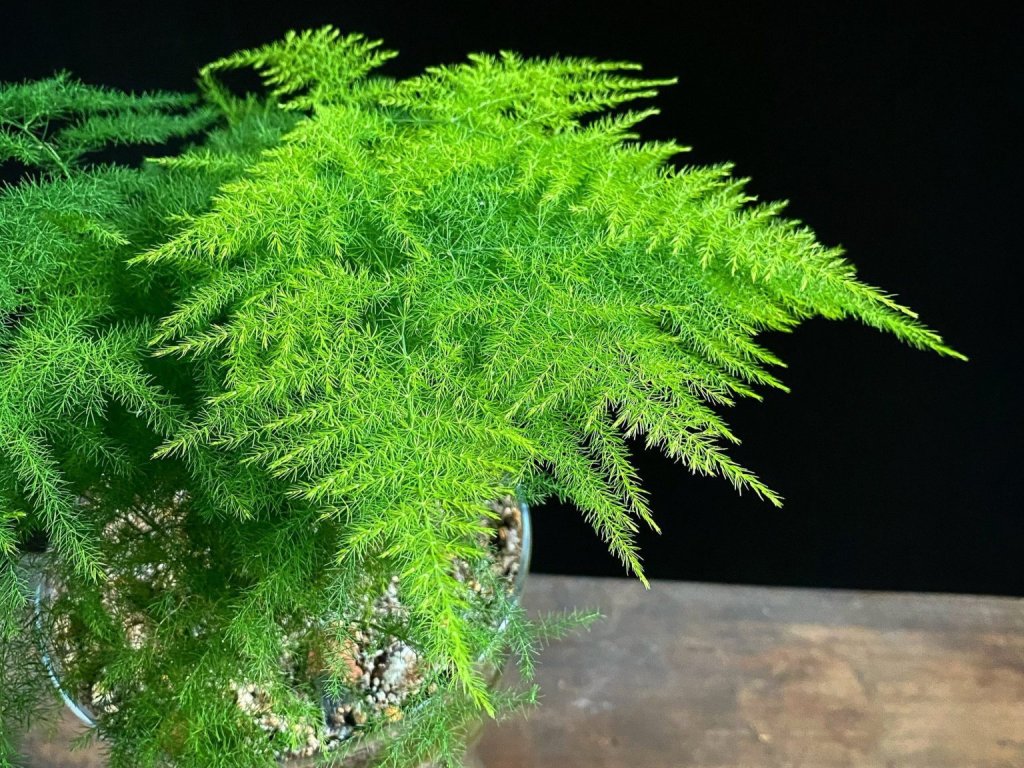
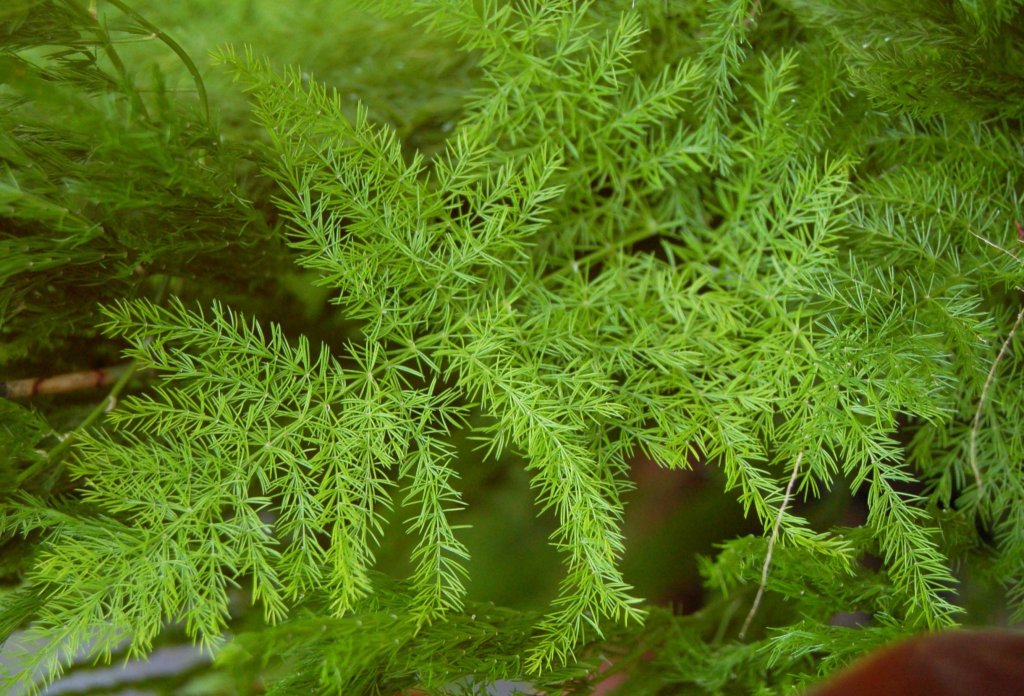
1. Asparagus Fern (Asparagus setaceus)
Despite its common name, asparagus fern isn’t a true fern at all—it’s a member of the lily family. Its delicate, thread-like stems create soft, cloud-like mounds of green that work beautifully in containers, hanging baskets, or as ground cover in warm climates.
- Light: Bright, indirect light; tolerates some shade
- Water: Keep soil consistently moist but not waterlogged
- Hardiness: Zones 9-11 outdoors; popular houseplant elsewhere
- Height: 2-3 feet tall with trailing habit
2. Boston Fern (Nephrolepis exaltata)
The classic fern with gracefully arching fronds covered in small leaflets. Boston ferns have been popular houseplants for generations, thriving in bathrooms and other humid spaces. Their lush, feathery appearance makes them excellent for adding softness to any setting.
- Light: Indirect light; avoid direct sun
- Water: High humidity essential; mist regularly
- Hardiness: Zones 9-11 outdoors; widely grown as houseplant
- Height: 2-3 feet fronds
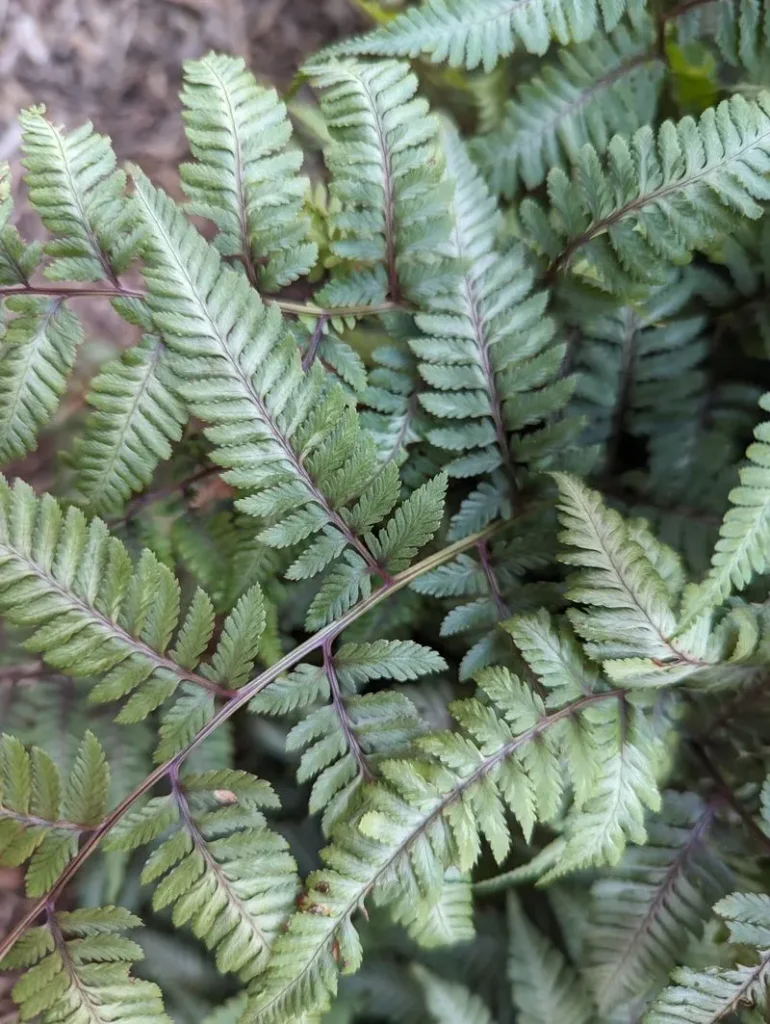
3. Japanese Painted Fern (Athyrium niponicum)
One of the most ornamental ferns available, featuring silvery-gray fronds with burgundy stems and veins. The feathery foliage creates stunning contrast in shade gardens and pairs beautifully with hostas and coral bells.
- Light: Full to partial shade
- Water: Consistent moisture; do not let dry out
- Hardiness: Zones 4-9
- Height: 12-18 inches
4. Maidenhair Fern (Adiantum pedatum)
Delicate, fan-shaped leaflets on thin, wiry black stems create an ethereal appearance. Native to North American woodlands, maidenhair ferns bring a refined elegance to shade gardens and make stunning container specimens.
- Light: Shade to partial shade
- Water: High humidity and consistent moisture
- Hardiness: Zones 3-8
- Height: 12-24 inches
5. Yarrow (Achillea millefolium)
While known for its flat-topped flower clusters, yarrow’s foliage is equally distinctive. The finely divided, fern-like leaves form soft, aromatic mounds that remain attractive even when plants aren’t blooming. Drought-tolerant and deer-resistant.
- Light: Full sun
- Water: Low to moderate; drought tolerant once established
- Hardiness: Zones 3-9
- Height: 2-3 feet in bloom
6. Cosmos (Cosmos bipinnatus)
The finely cut, feathery foliage of cosmos provides a soft backdrop for the daisy-like flowers. This easy annual self-seeds readily, creating drifts of soft green texture topped with colorful blooms from summer through fall.
- Light: Full sun
- Water: Low to moderate
- Hardiness: Annual (all zones)
- Height: 2-6 feet depending on variety
7. Silver Mound Artemisia (Artemisia schmidtiana)
This low-growing perennial forms soft, silvery mounds of finely cut foliage that look like silver velvet. Perfect for edging borders or adding contrast in rock gardens. The feathery texture catches light beautifully.
- Light: Full sun
- Water: Low; excellent drainage essential
- Hardiness: Zones 4-9
- Height: 8-12 inches
8. Foxtail Fern (Asparagus densiflorus ‘Myersii’)
Not a true fern but a striking relative of asparagus. The upright, plume-like stems resemble fluffy foxtails, creating dramatic architectural interest in containers or landscapes. Vibrant green year-round in warm climates.
- Light: Full sun to partial shade
- Water: Moderate; allow soil to dry between waterings
- Hardiness: Zones 9-11 outdoors; popular container plant
- Height: 2-3 feet
9. Lady Fern (Athyrium filix-femina)
A deciduous fern with elegant, lacy fronds that arch gracefully outward. Native to moist woodlands, lady ferns bring wild elegance to shade gardens and naturalize beautifully in appropriate conditions.
- Light: Shade to partial shade
- Water: Consistent moisture; prefers humid conditions
- Hardiness: Zones 4-8
- Height: 2-3 feet
10. Dawn Redwood (Metasequoia glyptostroboides)
A deciduous conifer with soft, feathery needles that turn coppery-orange in fall before dropping. This living fossil was thought extinct until rediscovered in China in the 1940s. Makes a stunning specimen tree with delicate, fern-like foliage.
- Light: Full sun to partial shade
- Water: Moderate to moist; tolerates wet soil
- Hardiness: Zones 4-8
- Height: 70-100 feet (fast growing)
Design Ideas for Feathery Plants
Creating Texture Contrast
Feathery plants shine when paired with broad-leaved companions. Try combining:
- Ferns with hostas for shade gardens
- Asparagus fern with rubber plant for indoor drama
- Yarrow with ornamental grasses for sunny borders
- Japanese painted fern with coral bells for color and texture
Softening Hardscape
The delicate nature of feathery plants makes them ideal for softening the edges of paths, walls, and container rims. Plant ferns along stone pathways or use trailing asparagus fern to cascade over pot edges.
Woodland Gardens
Feathery plants are stars in woodland settings. Create layered plantings with tall ferns as backdrop, medium growers like Japanese painted fern at mid-level, and low-growing moss or creeping Jenny as groundcover.
Care Tips for Feathery-Leaved Plants
Watering
Most feathery-leaved plants, especially ferns, prefer consistent moisture. Their fine leaf surface area can lose water quickly, making them susceptible to drying out. However, plants like yarrow and artemisia are exceptions, preferring drier conditions.
Humidity
Indoor ferns and other fine-leaved plants often struggle in dry indoor air. Increase humidity by:
- Placing pots on pebble trays with water
- Grouping plants together
- Using a humidifier nearby
- Misting regularly (though this is less effective than other methods)
Light Requirements
Most feathery plants prefer some protection from harsh afternoon sun. The delicate leaf tissue can scorch easily. Exceptions include yarrow, cosmos, and artemisia, which thrive in full sun.
Soil
Rich, well-draining soil suits most feathery plants. For ferns, add organic matter like compost or leaf mold to retain moisture and provide nutrients. Succulent-like plants such as artemisia need excellent drainage.
Common Problems and Solutions
Brown, Crispy Leaf Tips
Cause: Low humidity or underwatering
Solution: Increase humidity, check watering schedule, trim damaged tips
Yellowing Leaves
Cause: Overwatering, poor drainage, or too much direct sun
Solution: Adjust watering, improve drainage, move to shadier location
Leggy Growth
Cause: Insufficient light
Solution: Move to brighter location (but avoid direct sun for shade-lovers)
Pale or Bleached Appearance
Cause: Too much direct sunlight
Solution: Relocate to spot with filtered or indirect light
Feathery Plants for Different Situations
Indoor Spaces
- Boston fern
- Asparagus fern
- Maidenhair fern
- Foxtail fern
Shade Gardens
- Japanese painted fern
- Lady fern
- Maidenhair fern
- Boston fern (in mild climates)
Sunny Borders
- Yarrow
- Cosmos
- Silver mound artemisia
Containers
- Asparagus fern
- Foxtail fern
- Boston fern
- Japanese painted fern
Propagation Methods
Ferns
Most ferns can be propagated by division in spring. Some also produce spores on the undersides of fronds, though spore propagation requires patience and specific conditions.
Asparagus Ferns
Divide crowded clumps in spring, ensuring each division has roots attached. Pot divisions immediately in fresh potting mix.
Perennials (Yarrow, Artemisia)
Divide established clumps every 2-3 years in spring or fall. Take softwood cuttings in late spring for artemisia.
Conclusion
Plants with feathery leaves add a unique dimension to gardens and indoor spaces that broad-leaved plants simply cannot achieve. Their delicate texture creates movement, catches light beautifully, and brings a sense of softness and elegance to any setting. From the classic beauty of Boston ferns to the architectural drama of foxtail asparagus, there’s a feathery plant suited to every garden situation.
Whether you’re creating a serene shade garden filled with ferns, adding airy texture to sunny borders with yarrow and cosmos, or bringing the outdoors in with asparagus fern, these plants reward gardeners with their distinctive appearance and relatively easy care. Choose varieties suited to your conditions, provide appropriate moisture and light, and enjoy the graceful beauty these plants bring to your space.
This article is for educational purposes. Always research specific variety requirements and consult local extension services for region-specific growing recommendations.