Do You Have a Rabbit Problem in Your Garden?
If rabbits are treating your flower beds like an all-you-can-eat buffet, you are not alone. These adorable but hungry visitors can quickly destroy a carefully planted garden. While no plant is completely rabbit-proof, rabbit resistant annual plants offer a practical solution. These flowers and foliage plants have characteristics that make them unappealing to rabbits, allowing you to enjoy color and texture without constant damage.
What Makes a Plant Rabbit Resistant?
Rabbits tend to avoid plants with certain characteristics:
- Strong scents: Aromatic leaves and flowers deter rabbits
- Textured foliage: Fuzzy, prickly, or leathery leaves are less palatable
- Bitter or toxic compounds: Some plants contain chemicals that taste bad or cause discomfort
- Tough stems: Woody or fibrous stems are harder to chew
However, hungry rabbits may still sample plants they usually avoid, especially in early spring when other food is scarce or during drought conditions.
Top Rabbit Resistant Annual Plants
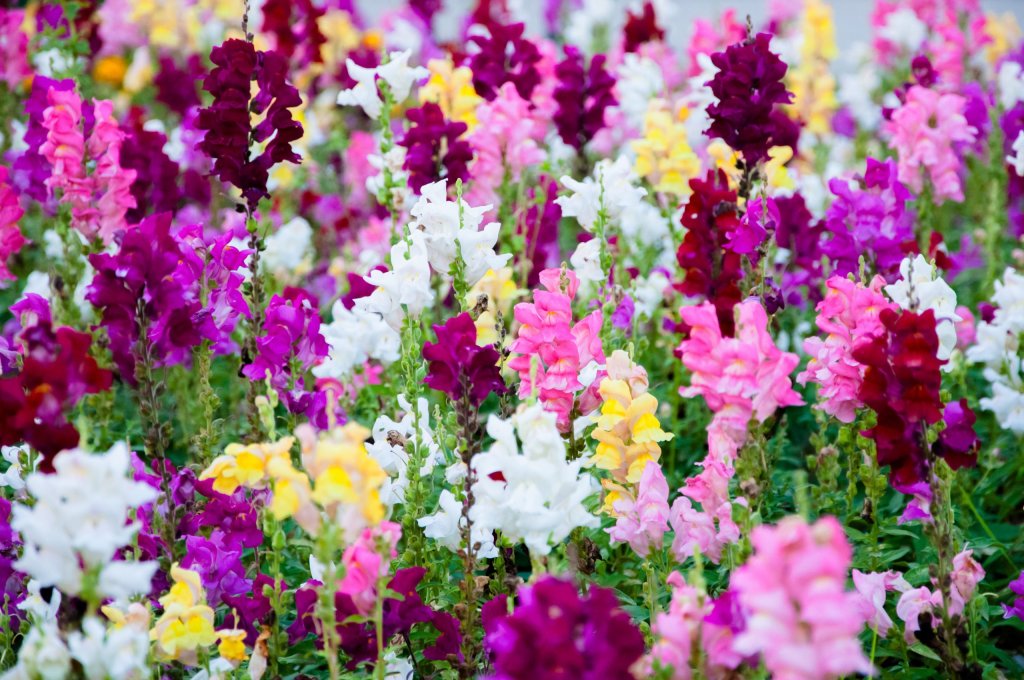
1. Snapdragon (Antirrhinum)
Snapdragons are loved by gardeners for their tall spikes of colorful blooms, but rabbits tend to leave them alone. Their slightly bitter taste and sturdy stems make them less appealing as a snack.
- Colors: Pink, red, yellow, orange, white, purple
- Height: 6-36 inches depending on variety
- Sun: Full sun to part shade
- Bloom time: Spring through fall
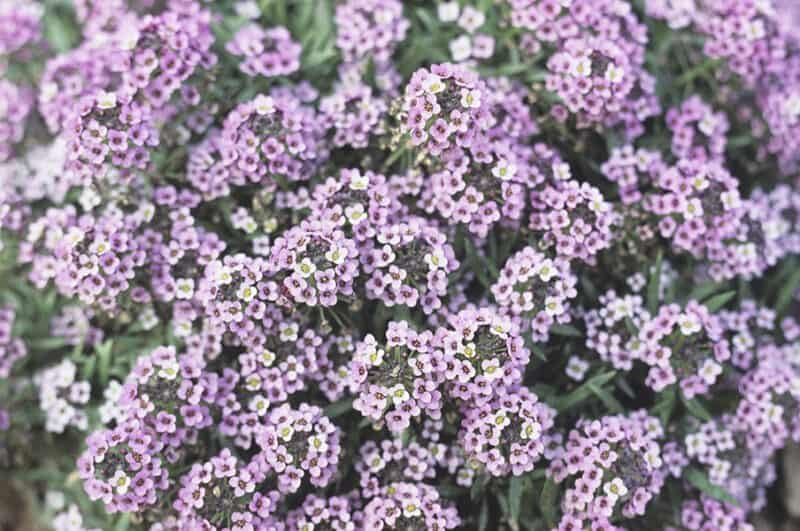
2. Sweet Alyssum (Lobularia maritima)
This low-growing annual produces clouds of tiny, fragrant flowers. Its strong, honey-like scent helps deter rabbits, while its spreading habit makes it excellent for borders and containers.
- Colors: White, pink, purple
- Height: 3-6 inches
- Sun: Full sun to part shade
- Bloom time: Spring to frost
3. Lantana (Lantana camara)
Lantana is known for its clusters of brightly colored flowers and its distinctive, somewhat pungent scent. Both the smell and the slightly rough foliage make it unattractive to rabbits. It thrives in hot, sunny spots.
- Colors: Red, orange, yellow, pink, purple, often multi-colored
- Height: 1-6 feet depending on variety
- Sun: Full sun
- Note: Can be toxic to pets if ingested
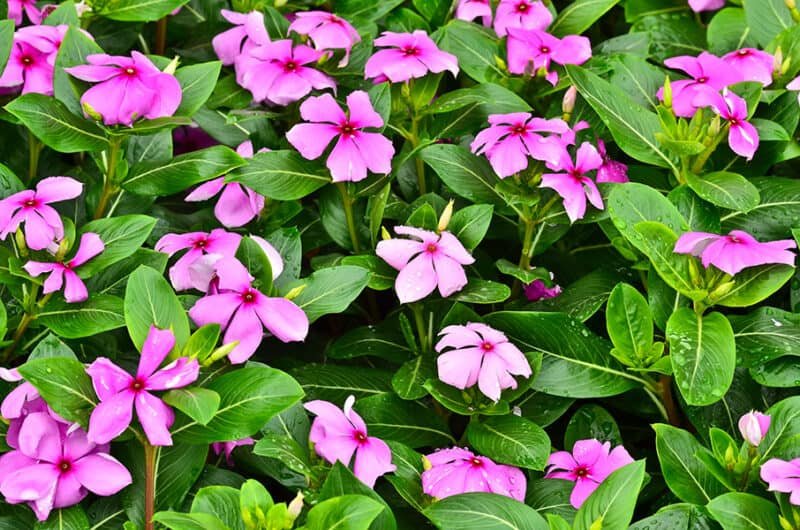
4. Vinca (Catharanthus roseus)
Also called Madagascar periwinkle, vinca is a tough, heat-loving annual with glossy green leaves and cheerful flowers. Rabbits typically ignore it due to its bitter taste and waxy foliage.
- Colors: Pink, white, red, purple
- Height: 6-18 inches
- Sun: Full sun
- Bloom time: Late spring to frost
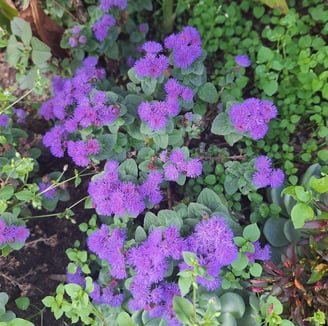
5. Ageratum (Ageratum houstonianum)
Ageratum, or floss flower, produces fluffy blue, purple, or white blooms over softly textured foliage. Its slightly bitter taste helps keep rabbits at bay.
- Colors: Blue, purple, white, pink
- Height: 6-24 inches
- Sun: Full sun to part shade
- Bloom time: Summer to frost
6. Fan Flower (Scaevola)
This unique annual produces fan-shaped flowers in shades of blue, purple, and white. Its somewhat tough foliage and spreading habit make it a good choice for hanging baskets and groundcover.
- Colors: Blue, purple, white, pink
- Height: 9-18 inches
- Sun: Full sun
- Bloom time: Late spring to frost
7. Marigold (Tagetes)
Marigolds are famous for their strong scent, which repels many pests including rabbits. Their bright orange and yellow blooms add cheerful color to beds and containers.
- Colors: Orange, yellow, red, bicolor
- Height: 6-36 inches depending on variety
- Sun: Full sun
- Bloom time: Spring to frost
Tips for Success with Rabbit Resistant Plants
Combine Strategies
While choosing rabbit resistant plants helps, combining plants with other deterrents increases success:
- Fencing: Low wire mesh around beds protects vulnerable plants
- Repellents: Spray rabbit repellents on and around plants, reapplying after rain
- Container gardening: Raised pots and planters are harder for rabbits to reach
- Mixed plantings: Interplant resistant varieties with more vulnerable favorites
Protect Young Plants
Even resistant plants may be nibbled when young and tender. Use temporary barriers or cloches until plants are established.
Avoid Over-Fertilizing
Excess nitrogen produces soft, succulent growth that is more attractive to rabbits. Use balanced fertilizers and follow recommended rates.
Choose the Right Location
Most rabbit resistant annuals prefer full sun and well-drained soil. Match plants to your site conditions for best results.
What to Do If Rabbits Still Cause Damage
- Inspect gardens at dawn and dusk when rabbits are most active
- Remove brush piles and tall grass where rabbits hide
- Install motion-activated sprinklers or lights
- Consider a permanent fence around high-value planting areas
Conclusion
Rabbit resistant annual plants are a smart choice for gardens where bunnies are a persistent problem. Varieties like snapdragons, lantana, vinca, and sweet alyssum offer beautiful color while being less appealing to hungry rabbits. Remember that no plant is completely safe, but combining resistant varieties with other protective measures can help you maintain a beautiful, productive garden all season long.
For more rabbit resistant plant ideas, see resources like Garden Design.