Introduction to Coconut Varieties
While most people think of coconut as a single type of fruit, there are actually hundreds of coconut varieties cultivated around the world. These varieties differ in size, shape, color, taste, and growing characteristics. Understanding the different types of coconut can help you choose the right variety for your garden, cooking needs, or simply appreciate the diversity of this remarkable tropical fruit.
Coconuts (Cocos nucifera) belong to the palm family Arecaceae and are the only living species in the genus Cocos. Despite this single species classification, centuries of cultivation and natural selection have produced remarkable diversity in coconut types.
Main Categories of Coconut Types
1. Tall Varieties
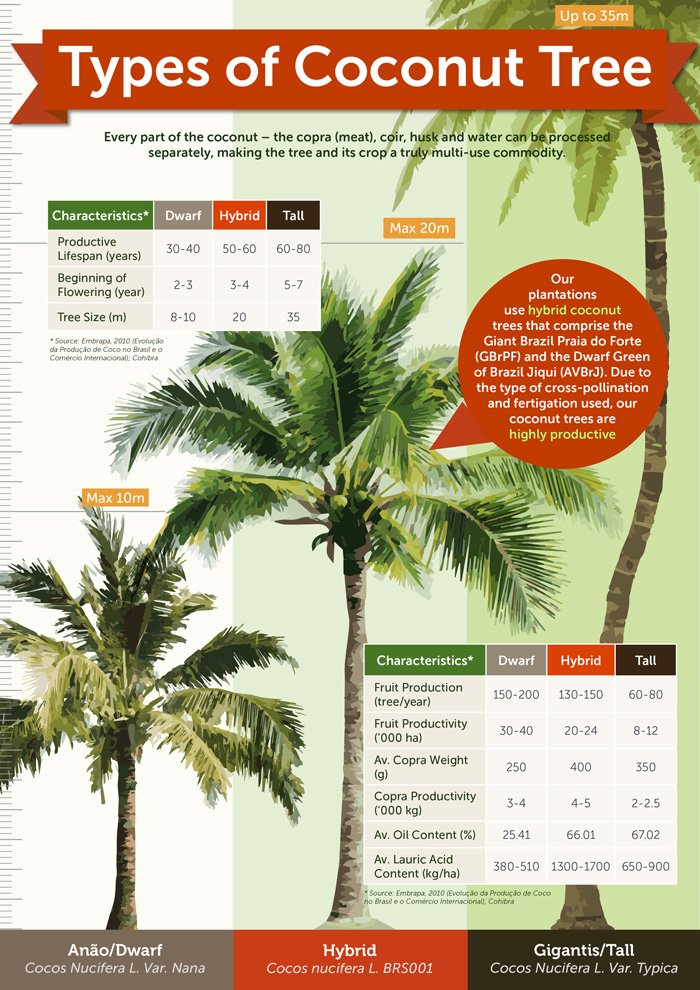
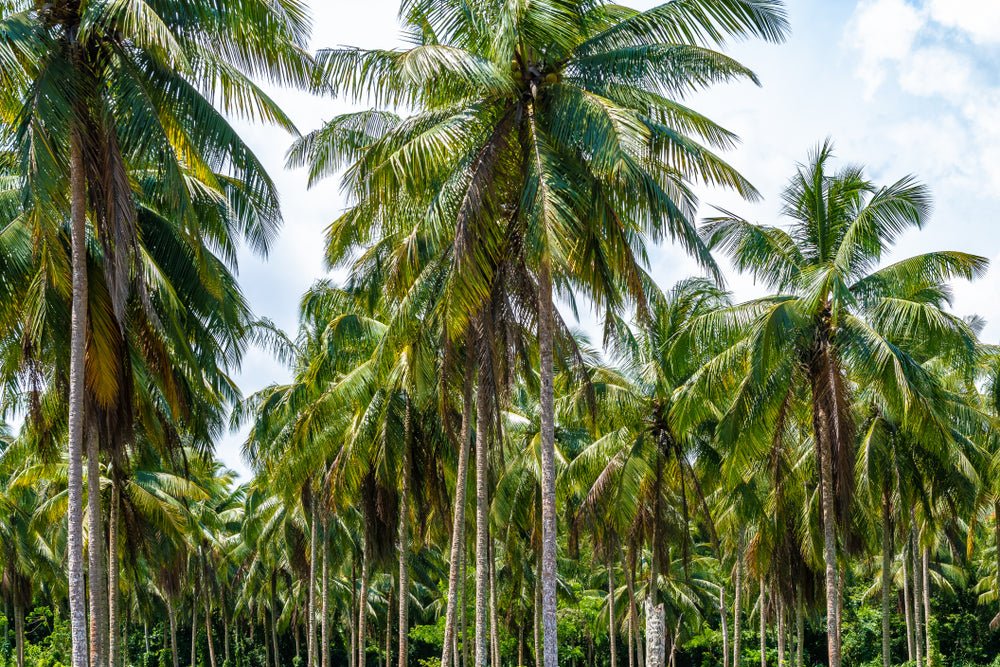
Tall coconut varieties are the traditional, classic coconut palms that most people picture when thinking of tropical beaches. These trees grow 50-100 feet tall and take 6-10 years to begin fruiting. They’re known for their longevity, often living 80-100 years.
Characteristics of Tall Varieties:
- Height: 50-100 feet at maturity
- Time to fruit: 6-10 years
- Lifespan: 80-100 years
- Cross-pollinated (require other trees nearby)
- Higher oil content in copra
- More drought and disease resistant
2. Dwarf Varieties
Dwarf coconut palms are increasingly popular for home gardens and commercial cultivation. They produce fruit earlier, stay smaller, and are often self-pollinating, making them ideal for smaller spaces.
Characteristics of Dwarf Varieties:
- Height: 20-40 feet at maturity
- Time to fruit: 3-5 years
- Lifespan: 40-50 years
- Often self-pollinating
- Higher water content in nuts
- Easier to harvest
Popular Tall Coconut Varieties
West Coast Tall
One of the most widely cultivated tall varieties in India. Excellent for both tender coconut water and copra production. Drought tolerant and adaptable to various soil conditions.
- Origin: India
- Nuts per tree/year: 80-100
- Copra content: High
East Coast Tall
Another Indian variety known for its hardiness and good yield. Adapts well to coastal conditions and produces quality copra with high oil content.
- Origin: India
- Nuts per tree/year: 70-80
- Special feature: Salt tolerant
Jamaican Tall
A classic Caribbean variety with large nuts and good copra yield. Tall, graceful palms that are iconic in tropical landscapes.
- Origin: Jamaica
- Height: Up to 80 feet
- Best for: Copra and landscaping
Panama Tall
Known for disease resistance, particularly to lethal yellowing disease. Large nuts with good meat content.
- Origin: Panama
- Special feature: Disease resistant
- Nut size: Large
Philippine Tall
A robust variety producing large nuts with thick meat. Widely cultivated throughout the Philippines for copra and cooking oil production.
- Origin: Philippines
- Nuts per tree/year: 60-80
- Copra quality: Excellent
Popular Dwarf Coconut Varieties
Malayan Dwarf (Yellow, Red, Green)
Perhaps the most widely planted dwarf variety worldwide. Named for the color of their young nuts and petioles. Early bearing and productive.
- Origin: Malaysia
- Colors: Yellow, Red, Green varieties
- Time to fruit: 3-4 years
- Height: 30-40 feet
Chowghat Orange Dwarf
An Indian dwarf variety prized for sweet tender coconut water. The orange-colored nuts are distinctive and attractive.
- Origin: India (Kerala)
- Specialty: Sweet tender coconut water
- Nuts per tree/year: 60-70
Gangabondam Dwarf
A rare dwarf variety from India with excellent tender nut quality. Self-pollinating and early bearing.
- Origin: India
- Height: 15-20 feet
- Best for: Tender coconut water
Cameroon Red Dwarf
A distinctive variety with reddish-orange colored nuts and petioles. Compact growth habit makes it suitable for small gardens.
- Origin: Cameroon, Africa
- Height: 20-25 feet
- Special feature: Ornamental value
Hybrid Coconut Varieties
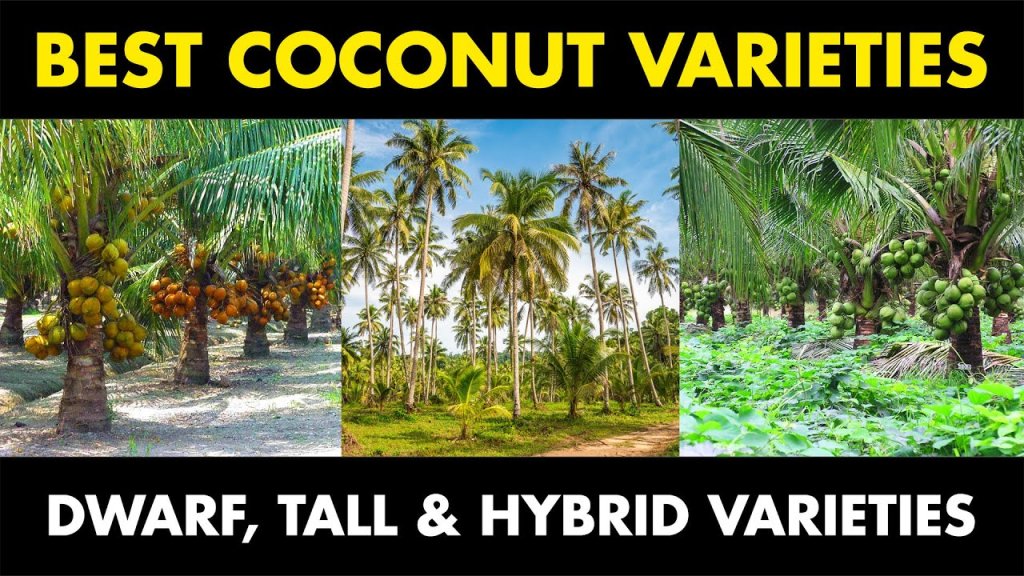
Hybrid coconuts combine the best traits of tall and dwarf parents, offering earlier bearing, higher yields, and better disease resistance.
Lakshadweep Ordinary (Laxmi Ganga)
A popular hybrid in India combining tall and dwarf characteristics. High yielding with good quality nuts.
Chandrasankara
Another Indian hybrid known for early bearing and high productivity. Combines dwarf’s quick fruiting with tall’s longevity.
Kerasankara
A high-yielding hybrid developed in Kerala, India. Popular among farmers for consistent production.
Specialty Coconut Types
Macapuno (Coconut Sport)
A mutant coconut variety where the meat is soft, jelly-like, and fills most of the nut cavity. Highly prized in Filipino cuisine for desserts.
- Texture: Soft, gelatinous
- Use: Desserts, sweets
- Availability: Limited, specialty markets
King Coconut (Thambili)
Sri Lanka’s famous orange coconut variety, prized for its sweet, refreshing water. The nuts are naturally sweeter than regular coconuts.
- Origin: Sri Lanka
- Color: Bright orange
- Best for: Drinking coconut water
Niu Leka Dwarf
A Fiji variety with exceptionally high meat content. Considered one of the best for eating fresh coconut meat.
- Origin: Fiji
- Specialty: Thick, sweet meat
- Height: 20-30 feet
Comparison: Tall vs Dwarf Coconuts
| Characteristic | Tall Varieties | Dwarf Varieties |
|---|---|---|
| Height | 50-100 feet | 20-40 feet |
| Time to first fruit | 6-10 years | 3-5 years |
| Lifespan | 80-100 years | 40-50 years |
| Nuts per year | 60-100 | 50-80 |
| Copra quality | Excellent | Good |
| Pollination | Cross-pollinated | Often self-pollinating |
| Harvesting | Difficult | Easier |
Uses by Coconut Type
For Tender Coconut Water
- Chowghat Orange Dwarf
- King Coconut (Thambili)
- Gangabondam Dwarf
- Malayan Dwarf varieties
For Copra and Oil
- West Coast Tall
- East Coast Tall
- Philippine Tall
- Hybrid varieties
For Fresh Eating
- Niu Leka Dwarf
- Macapuno
- King Coconut
For Landscaping
- Malayan Dwarf (ornamental colors)
- Cameroon Red Dwarf
- Jamaican Tall (graceful form)
Choosing the Right Coconut Variety
Consider Your Climate
- Tropical climates (USDA 10-11): Most varieties thrive
- Subtropical areas: Choose cold-tolerant varieties
- Coastal regions: Salt-tolerant varieties like East Coast Tall
Consider Your Space
- Large properties: Tall varieties for shade and copra
- Small gardens: Dwarf varieties stay manageable
- Containers: Dwarf varieties can grow in large pots
Consider Your Purpose
- Commercial copra: Tall varieties with high oil content
- Tender coconut business: Dwarf varieties for sweet water
- Home consumption: Versatile hybrids
- Ornamental: Colorful dwarf varieties
Conclusion
The world of coconuts offers remarkable diversity, from the classic tall palms that define tropical beaches to compact dwarf varieties perfect for home gardens. Understanding the different types of coconut helps you select the right variety for your needs, whether you’re seeking sweet drinking nuts, quality copra for oil, or an attractive landscape specimen.
Hybrid varieties offer the best of both worlds—early fruiting, manageable size, and good yields—making them increasingly popular among both commercial growers and home gardeners. Specialty types like Macapuno and King Coconut provide unique culinary experiences that showcase the incredible versatility of this tropical fruit.
Whichever variety you choose, coconuts offer not just food and drink, but a connection to tropical traditions spanning thousands of years of cultivation across the world’s warmest regions.
This article is for educational purposes. Growing requirements vary by region—always consult local agricultural extensions for variety recommendations suited to your climate.