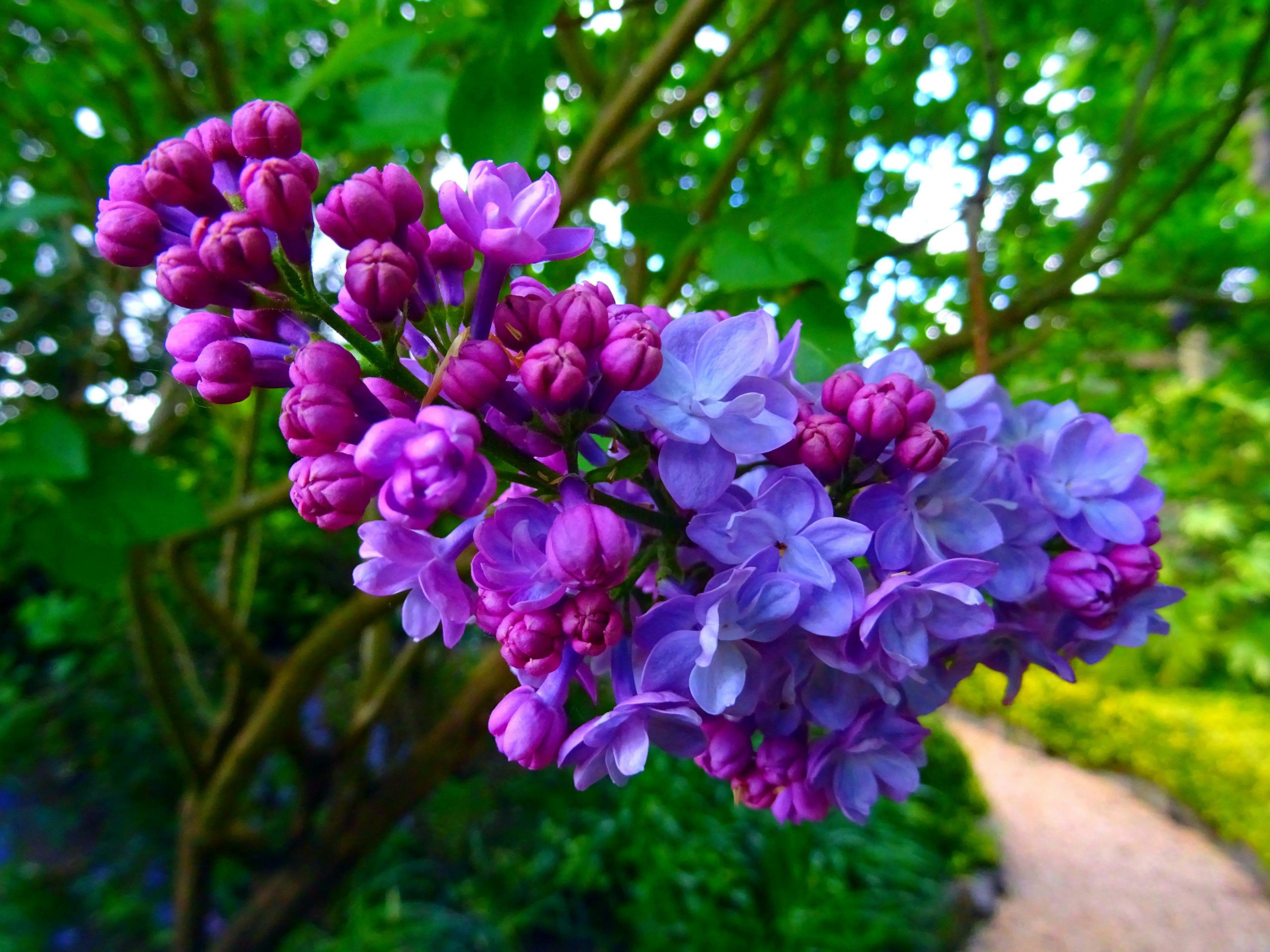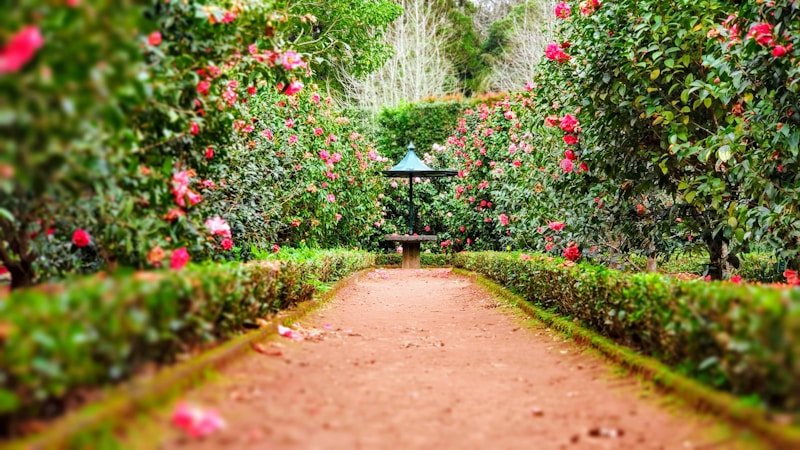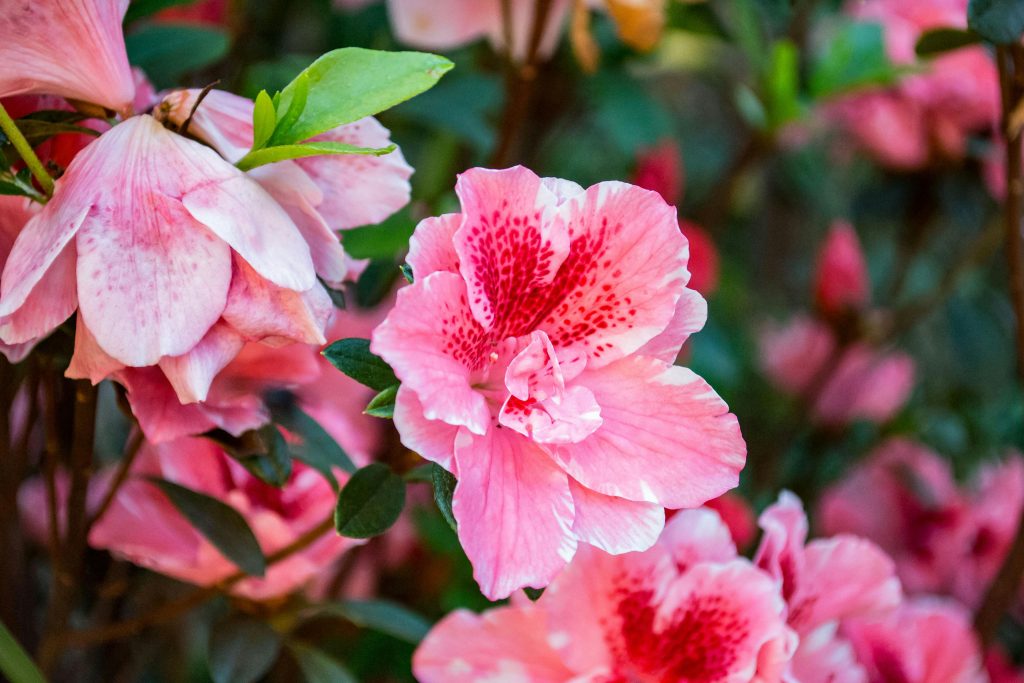
Walk through any neighborhood from Portland, Oregon to Portland, Maine in late April and you’ll spot them: clouds of pink, white, coral, and magenta blossoms that look like someone tie-dyed the shrubs. Azaleas are the extroverts of the spring garden—loud, proud, and impossible to ignore. But here’s the catch: those Instagram-worthy explosions of color only happen when the plant’s basic needs are met with the precision of a barista crafting your morning latte. Give an azalea what it craves—acidic soil, dappled sunlight, and the occasional spa-day level of moisture—and it will reward you with decades of floral fireworks. Skimp on the details and you’ll be left with a spindly, bloom-less shrub that looks like it gave up on life sometime around 2019. This guide is your backstage pass to the azalea lifestyle: we’ll decode cultivars, troubleshoot yellow leaves, and even reveal why your tap water might be the silent assassin in the flowerbed.
Understanding Azalea Basics & Selection
Azaleas come in two temperaments: the “evergreen” crowd that keeps its leaves all winter (think Southern Indica, Kurume, and the popular ‘Encore’ reblooming series) and the “deciduous” free spirits that drop their foliage but gift you with neon fall color before the big spring reveal (Northern Lights, Exbury, and the native flame azalea). If you garden in Zone 6 or colder, deciduous types laugh at sub-zero nights, while evergreen varieties start drafting their will below 0 °F. Before you fall in love with a tag photo, check the USDA zone printed in tiny font—ignoring it is like buying a bikini for a ski trip.
At the nursery, channel your inner produce inspector: leaves should be the color of a Granny Smith apple, not the washed-out green of hospital scrubs. Reject any plant with black spots, lacy holes, or roots circling the pot like a corkscrew. Give the pot a gentle shake—if the shrub wobbles like a loose tooth, it was probably yanked out of the propagation field yesterday and plopped into retail soil. You want a plant that feels solid, smells like fresh earth, and has buds fat enough to burst in the next two weeks.
Ideal Planting Conditions & Techniques
Azaleas are the Goldilocks of the planting calendar: too early and frost nips the buds, too late and summer heat fries the tender feeder roots. Aim for the shoulder seasons—early spring after the last hard freeze or early fall at least six weeks before the soil temperature drops below 45 °F. In the Deep South, October planting lets roots settle while the air is cool; in New England, late April gives the shrub a full growing season before winter.
Sunlight is where most rookies overachieve. Azaleas don’t want a beach vacation; they want the filtered light you’d find under a live oak or a high-canopy maple. Think “bright shade”—morning sun until about 11 a.m. followed by dappled afternoon protection. If your only bed bakes like a parking lot, plant on the north or east side of the house or install a 40 % shade cloth. Anything more than four hours of direct midday sun and the leaves will bleach to the color of overcooked asparagus.
Soil is the non-negotiable. Azaleas demand a pH between 4.5 and 5.5—essentially the acidity of black coffee. Grab a $12 soil-test kit from your county extension office or University of Georgia’s soil lab; if the reading comes back 6.5 (common in Midwestern clay), you’ll need to lower it. Mix in 2 inches of peat moss, 1 inch of shredded pine bark, and elemental sulfur at 1 pound per 100 square feet for every full point you need to drop. The amendment party isn’t a one-time rave—retest yearly, because soil has a habit of creeping back toward neutral.
When you dig the hole, pretend you’re preparing a hot tub for a toddler: twice as wide as the root ball but no deeper. Azalea roots spread sideways like a pizza, not down like a carrot. Slice any circling roots with a box cutter—yes, it feels brutal, but it prevents the plant from strangling itself later. Plant so the top of the root ball sits 1–2 inches above grade; azaleas hate “wet feet” and will sink slightly as the soil settles. Space multiple shrubs at least 3 feet apart; they look scrawny at first, but in three years you’ll thank yourself when they don’t morph into a fungal orgy.
Container culture? Totally doable. Use a pot that’s at least 16 inches wide with a drainage hole big enough to stick your thumb through. Fill with a 50/50 mix of pine bark fines and an acid-loving potting mix (look for the words “camellia/rhododendron blend”). Elevate the pot on pot feet so winter rain doesn’t turn the bottom into an ice bucket.
Essential Watering Practices
Newly planted azaleas are like college freshmen—thirsty, dramatic, and incapable of self-regulating. For the first growing season, water deeply every 3–4 days if rainfall is under an inch. Use the “tuna-can test”: place an empty can in the spray zone; when it’s full, you’ve delivered the 1 inch the roots crave. Established shrubs (year two and beyond) can coast on rainfall plus a weekly deep soak during prolonged dry spells.
Overwatering symptoms look eerily similar to drought: yellow leaves that drop en masse. The tell-tale difference is soil sogginess. Stick a chopstick 4 inches down—if it comes out with mud cake, hold the hose. Underwatered leaves curl inward like tiny tacos and feel crispy; overwatered leaves feel limp like wet tissue. If your neighborhood’s water report shows pH above 7.5 (common in Arizona and parts of Texas), install a cheap RV inline filter or collect rainwater in a barrel. Hard water is like feeding your azalea limestone smoothies—it slowly nudges the soil toward the alkaline dark side.
Proper Fertilization for Health & Blooms
Azaleas are light feeders; they prefer a steady nibble to an all-you-can-eat buffet. Choose a fertilizer labeled 9-8-7 or similar with “acid-loving” stamped on the bag. The American Rhododendron Society recommends applying at half the label rate in early spring just as buds swell, and again six weeks later—never after July 4th, because tender late growth gets sucker-punched by frost. Scatter the granules like chicken feed in a 12-inch circle around the drip line, scratch lightly, and water immediately. If you see leaf veins staying green while the rest of the blade turns butter-yellow, your shrub is screaming for iron; a liquid chelated iron drench (follow label) greens things up in two weeks. Over-fertilizing produces lush, dark leaves and zero blooms—think of it as the plant version of skipping leg day.
Pruning & Shaping Your Azalea Bushes
Timing is everything. Azaleas set next year’s flower buds by mid-summer, so whacking away in August is like erasing your calendar. Prune within a three-week window after petals drop—usually late May in the Mid-Atlantic, early June in cooler zones. Goals: remove dead wood that looks like gray charcoal, open the center for air flow (azaleas hate humidity more than a bad perm), and reduce size by no more than one-third. Use hand pruners for stems thinner than a pencil, loppers for the cigar-thick stuff. Make cuts ¼ inch above an outward-facing node; the plant will respond by sending out two new shoots, giving you a bushier silhouette. Deadheading spent blooms is optional but oddly therapeutic—snap off the faded flower head between thumb and forefinger to prevent petal blight and tidy up the look.
Mulching for Moisture and Root Health
Mulch is the azalea’s security blanket, keeping roots cool, locking in moisture, and slowly acidifying the soil as it breaks down. Skip the dyed red wood chips that look like playground flooring; instead, pile on 2–3 inches of pine needles, shredded pine bark, or pine straw (the South’s favorite haircut). Pull mulch 2 inches away from the stem—volcano mulching invites rot and the occasional vole condo. Refresh annually in early spring; decomposition is a slow-motion fertilizer party.
Managing Common Pests & Diseases
Lace bugs are the vampires of the azalea world: tiny, translucent, and obsessed with sucking chlorophyll from the leaf undersides. Flip a yellow-stippled leaf and you’ll spot their tar-like excrement—your cue to act. A brisk jet of water to the leaf undersides every three days for two weeks knocks nymphs off their feet; follow up with insecticidal soap if they persist. Azalea caterpillars show up in late summer, looking like black-and-yellow Halloween decorations. Hand-pick at dusk (they’re social and cluster like college kids at a food truck) or spray Bacillus thuringiensis (Bt), a bacteria that gives caterpillars a fatal tummy ache but leaves pollinators unharmed.
Root rot is the silent killer—symptoms include sudden wilting despite wet soil and brown, mushy roots that smell like forgotten gym socks. Prevention beats cure: ensure drainage, avoid overwatering, and apply a Phytophthora-specific fungicide as a soil drench if your extension lab confirms the pathogen. Petal blight turns flowers into brown, slimy confetti within 48 hours; remove and trash (not compost) infected blooms and apply a preventive fungicide every 10 days during cool, wet spells.
Winter Protection (Especially for Colder Zones)
Azaleas in Zone 5 and below need a winter coat. After the first hard frost, water deeply, then encircle the shrub with a 4-inch layer of pine needles pulled up to the drip line. Wrap evergreen varieties in burlap to block winter wind and prevent sun scald—think of it as sunglasses plus a scarf. For potted plants, move the container into an unheated garage once temps dip below 20 °F; water lightly once a month so roots don’t desiccate.
Encouraging & Maintaining Vibrant Blooms
Blooms are the paycheck, and sunlight is the timecard. Too much shade equals leafy shrubs with zero flowers; too much sun fries the buds. If your azalea is all leaves and no bling, first confirm you’re pruning at the right time, then scratch in a low-nitrogen, high-phosphorus fertilizer (the middle number on the bag). Sometimes the culprit is simply youth—some hybrids need three years to hit puberty and flower. Be patient; gardening is the original slow TV.
Frequently Asked Questions (FAQ)
Q: Why are the leaves on my azalea turning yellow?
Iron chlorophyll is the usual suspect, caused by soil pH above 6.0. Test, then acidify.
Q: My azalea didn’t bloom this year. What went wrong?
You pruned too late, it’s in too much shade, or you over-fertilized with nitrogen. Adjust accordingly.
Q: Can I grow azaleas in full sun?
Only if you enjoy crispy leaves and a water bill that rivals your mortgage. Stick to morning sun plus afternoon shade.
Q: How often should I repot a container-grown azalea?
Every 2–3 years, or when roots circle the inside of the pot like a racetrack. Go up one pot size and refresh the soil.
Q: Are azaleas toxic to pets?
Yes. All parts contain grayanotoxins that can cause vomiting and irregular heartbeat in dogs and cats. Keep pets away or plant in a fenced bed.
Conclusion
Healthy azaleas boil down to four non-negotiables: the right variety for your zip code, soil that would make a blueberry jealous, consistent moisture without sogginess, and fertilizer restraint that would impress a minimalist Instagram influencer. Observe your shrubs weekly—think of it as a standing coffee date—and you’ll spot problems while they’re still whispers, not screams. Gardening is half science, half art, and entirely a lesson in patience. Stick with the program, and one April morning you’ll step outside to a shrub so floriferous the neighbors will suspect you bribed Mother Nature. Until then, keep your pruners sharp, your soil acidic, and your sense of humor intact—because even the best gardeners kill a few plants on the road to glory.
References & Further Reading
For cultivar deep-dives, winter hardiness maps, and regional problem-solvers, bookmark the American Rhododendron Society and your state’s cooperative extension portal—Clemson University and University of Georgia both host azalea-specific fact sheets vetted by PhDs who’ve forgotten more about ericaceous plants than most of us will ever know. And when in doubt, call your local extension office—Master Gardeners live for the thrill of a good plant mystery.