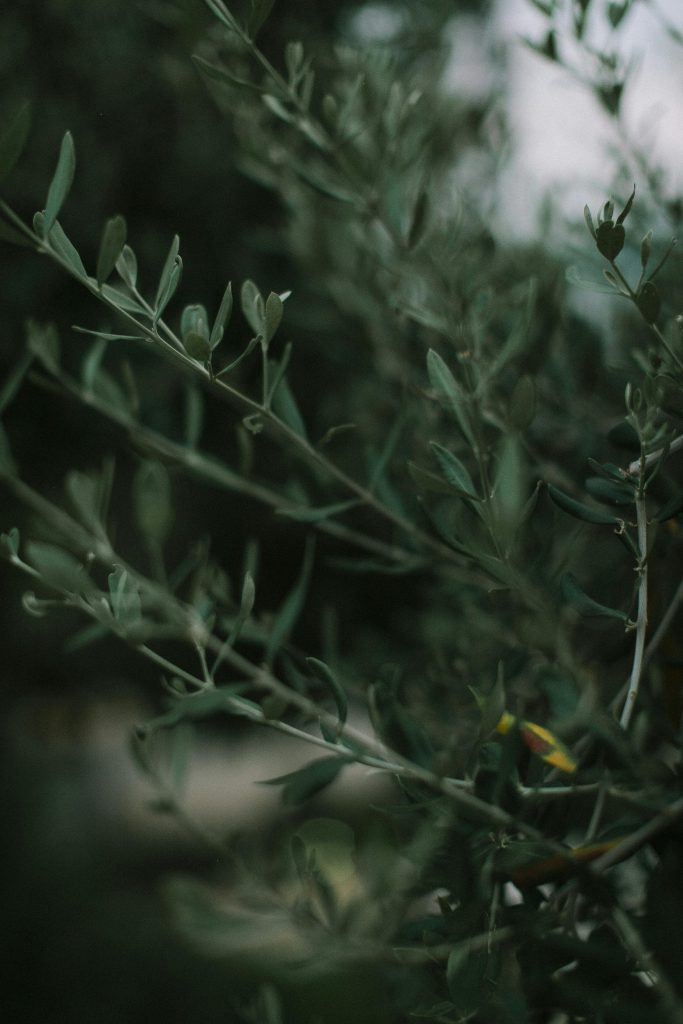
Picture this: the same olive tree that will eventually bathe your summer salads in liquid gold starts the year by throwing the plant world’s version of a micro-wedding—tiny cream-colored blossoms, barely the size of a grain of rice, releasing a sweet, almost vanilla-measles scent that drifts through warm late-spring air. Blink and you’ll miss it, yet without this understated floral cameo there would be no tapenade, no dirty-martini brine, no romantic drizzle over crusty sourdough. That’s why knowing “Olive Tree Flowering Time: When to Expect Blooms” is the first domino in the long line that ends with you proudly announcing, “Yep, I grew those olives.”
Typical Olive Tree Blooming Season
In the Mediterranean birthplaces of olive culture—think Andalusia, Tuscany, or Crete—flowering usually kicks off in late spring, with the lion’s share of blossoms opening between mid-May and mid-June. If you garden in California’s Central Valley or a similar Mediterranean-climate pocket of the U.S., pencil the same window into your calendar. Cross the equator, though, and spring flips: growers in Australia, South Africa, or Chile see their trees pop around October–November. Within each hemisphere, microclimates nudge the schedule a week or two in either direction; a coastal grove buffered by mild oceanic air may flower earlier than an inland orchard that still sports chilly April nights. The takeaway? Late spring is the headline, but your zip code writes the fine print.
Key Factors That Push or Pause the Big Bloom
Olives are surprisingly fussy stage managers; several cues have to line up before they’ll open the curtain.
Cultivar quirks: A precocious Arbequina grown in a pot on a Brooklyn balcony can start showing flower buds a tad earlier than a stately Mission or a shy Koroneiki. Think of varieties like people—some leap out of bed the instant the alarm rings; others hit snooze.
Winter chill & spring warm-up: Flower buds are born the previous summer, but they need a cool winter nap (roughly 200–300 “chill hours” below about 45 °F / 7 °C) to properly differentiate. Once spring arrives, the tree waits for steady warmth—night temps consistently above 55 °F (13 °C) is the green light. Too many balmy January days followed by a February cold snap? The tree gets confused and flowering can stall.
Late frost risk: A single hard frost once the buds have swollen can torch the entire season’s romance. Commercial growers in frost-prone valleys keep wind machines or even helicopters on standby for this reason—talk about an expensive date night.
Age & attitude: Most nursery-bought olive trees won’t even wink at the idea of flowers until they’re 3–5 years old (counting from the rooted cutting or graft, not the day you planted it). A stressed teenager—say, one stuck in waterlogged clay or riddled with peacock spot—will delay puberty even longer.
Last year’s backstage crew: Heavy pruning right after harvest encourages the new lateral shoots that carry next year’s buds. Meanwhile, a modest dose of balanced fertilizer (think 10-10-10) and deep, infrequent watering through late summer give the tree the carbohydrate reserves it needs to craft flowers instead of panic-sprouting leaves.
How Long Does the Flowering Spectacle Last?
Although individual flowers live only a handful of days, the tree staggers the opening of panicles so the whole show runs about two to four weeks. Wind-pollinated plants can’t afford a one-night-only event—Mother Nature hedges her bets by making the bloom a mini-series rather than a single episode.
What Do Olive Flowers Actually Look Like?
Imagine a popcorn kernel crossed with a snowflake: tiny creamy-yellow tubes, four-lobed, drooping in airy clusters called panicles. Up close they’re delicate and sweetly fragrant, reminiscent of light honey with a grassy edge. Step back six feet and they practically disappear against the silvery leaves—no dogwood fireworks here. Beauty queen? No. Efficient? Absolutely.
From Petal to Pit: Why Flowering Equals Future Fruit
Every olive that ends up in your martini starts as one of those modest flowers. Once wind jostles pollen loose, the vast majority of olive varieties are self-fertile; you only need one tree to get fruit, though planting a second cultivar can bump up yields by 10–15 percent. After successful pollination, the base of the flower (the ovary) swells into a miniature green BB by early summer, hardens into a pit by fall, and plumps up with oil you can finally harvest 5–7 months later. Skip the flowers and you skip the whole chain—no amount of TLC in August can conjure olives from a bare branch.
Ready, Set, Bloom—A Quick Recap
Expect late-spring blossoms in the Northern Hemisphere (spring in the Southern), modulated by cultivar, winter chill, spring warmth, tree maturity, and how well you cared for the plant last season. Give your tree sun, drainage, a cool but not arctic winter, and a post-harvest prune, and you’ll be rewarded with those easy-to-miss yet all-important flowers—the tiny gatekeepers of your future olive stash.
Frequently Asked Questions
Q: My olive tree is two years old and flower-free. Normal?
Absolutely. Most trees need 3–5 years (sometimes longer in containers) before they feel adult enough to reproduce. Patience, grasshopper.
Q: Can a late frost really nuke my whole harvest?
Yes. Once flower buds swell, temperatures below about 28 °F (-2 °C) can brown them out. If a cold snap is forecast, drape the canopy with frost cloth, run sprinklers overnight, or wheel potted trees under shelter.
Q: How do I coax more flowers out of my tree?
Provide full sun, excellent drainage, balanced fertilizer in late winter, and a post-harvest prune that leaves plenty of one-year-old wood. Avoid high-nitrogen lawn fertilizers; they push leaves at the expense of blooms.
Q: Do all flowers morph into olives?
Nope. Natural flower drop is common; only 1–2 percent typically set fruit. Think of it as the tree’s quality-control filter.
Q: My tree flowers like crazy but never sets fruit. What gives?
Check for waterlogged roots, chronic drought, or temperatures spiking over 95 °F (35 °C) during bloom—all can cause abortion. Alternatively, your “variety” might be a non-fruiting Swan Hill ornamental. Sneaky, but it happens.
References & Further Reading
University of California Agriculture and Natural Resources, Olive Oil Research & Education; University of Georgia Extension, Olive Production in Georgia; Texas A&M AgriLife Extension, Home Fruit Production: Olives; Olive Oil Times, Science & Health.