Embracing Modern Beauty in the Arid Landscape
Picture this: you roll up to your house after a long Tuesday, the sun is doing its best impression of a blow-dryer, and instead of a crispy patch of struggling turf you’re greeted by a crisp, gallery-worthy vignette of steel-edged planters, silver-blue agaves, and a single sculptural boulder that looks like it was stolen from a MoMA exhibit. No mower in sight, no sprinkler dance, just curb appeal that actually curbs your stress. That’s the magic of modern desert landscape front yard ideas you’ll love—low-maintenance, water-wise, and drop-dead gorgeous all year. In the next ten minutes we’ll unpack how to weld the clean lines of Scandinavian furniture catalogs with the grit of a Joshua Tree sunset so your front yard feels like an intentional extension of your home, not a forgotten sandbox.
Core Principles & Design Elements of Modern Desert Style
Modern, in landscape speak, isn’t a euphemism for “bought yesterday.” It’s a mindset: think negative space on purpose, geometry you can draw with a ruler, and a color palette that would make an Apple store jealous. Desert, meanwhile, is Mother Nature’s masterclass in survival—plants that laugh at 100 °F, soils that resemble crushed tortilla chips, and rainfall that arrives like a flaky friend. Fuse the two and you get repetition (three agaves in a row equals instant rhythm), contrast (spiky yucca against a smooth stucco wall), and a strict “every inch earns its keep” policy. The payoff? A yard that looks edited, not cluttered, and still lets the occasional tumbleweed guest-star without ruining the vibe.
Drought-Tolerant & Native Plant Selection & Arrangement
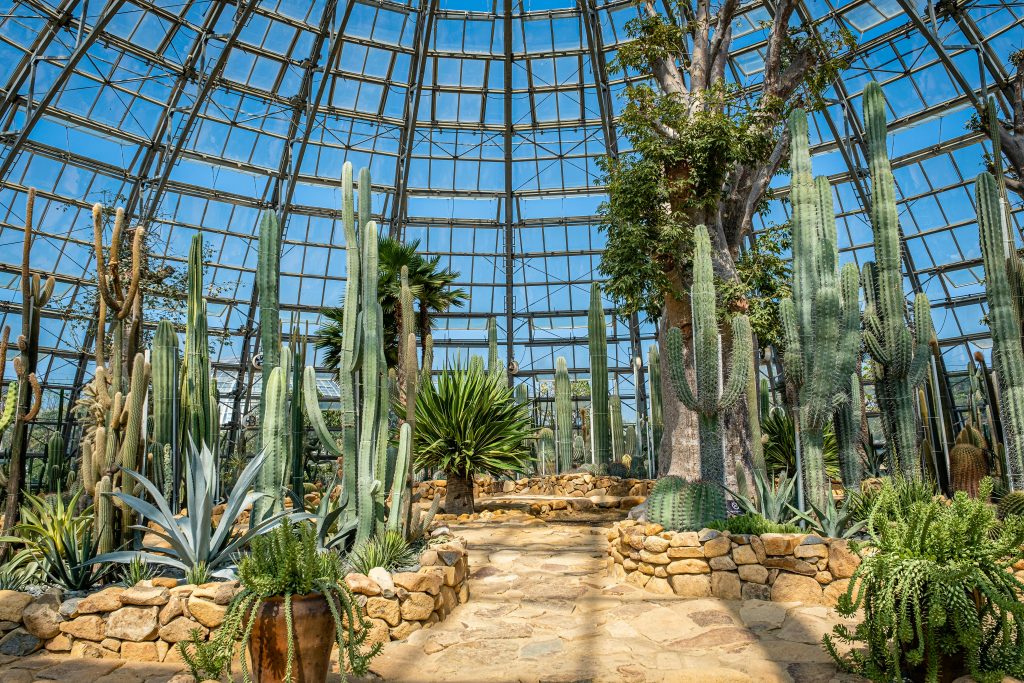
Plant shopping for a desert modern yard is like casting for an action movie: you want stars that can take a beating and look good doing it. Succulents are your A-listers—Agave ‘Blue Glow’ glows like it’s back-lit, Aloe ‘Hedgehog’ blooms coral spikes in February when the neighbors’ lawns look beige, and Echeveria rosettes tuck neatly into gaps like living polka dots. Pair them with native shrubs—Texas Sage that explodes purple after rain, or Feathery Cassia whose yellow bouquets arrive just when you need a serotonin bump. Arrange by thirst: the “camel” crew (cacti) on the highest, driest berm; the “sipper” crew (ornamental grasses like Deer Grass) down-slope where occasional runoff collects. Mass plant in odd numbers—three, five, seven—because even numbers make the human eye think “suburban hedge,” and we’re shooting for gallery, not cul-de-sac.
Hardscaping Materials & Features for Arid Climates
If plants are the actors, hardscape is the set design. Gravel is the indie darling—cheap, permeable, and it crunches underfoot like you’re approaching a secret lair. Decomposed granite (DG for cool kids) compacts into a moon-gray carpet that doesn’t reflect heat like a pizza oven. Want instant sophistication? Drop in oversized flagstone “islands” floating on a sea of black Mexican beach pebbles—voilà, negative space you can walk on. Retaining walls stay low and horizontal; think Frank Lloyd Wright on a budget—stacked-stone or smooth stucco, never higher than your shin so the yard still reads “open.” Pro tip: choose materials with a solar reflectance index (SRI) above 29—per DOE cool-surface guidelines—so your evening cocktail doesn’t feel like happy hour on a griddle.
Water-Wise Features & Sustainable Practices
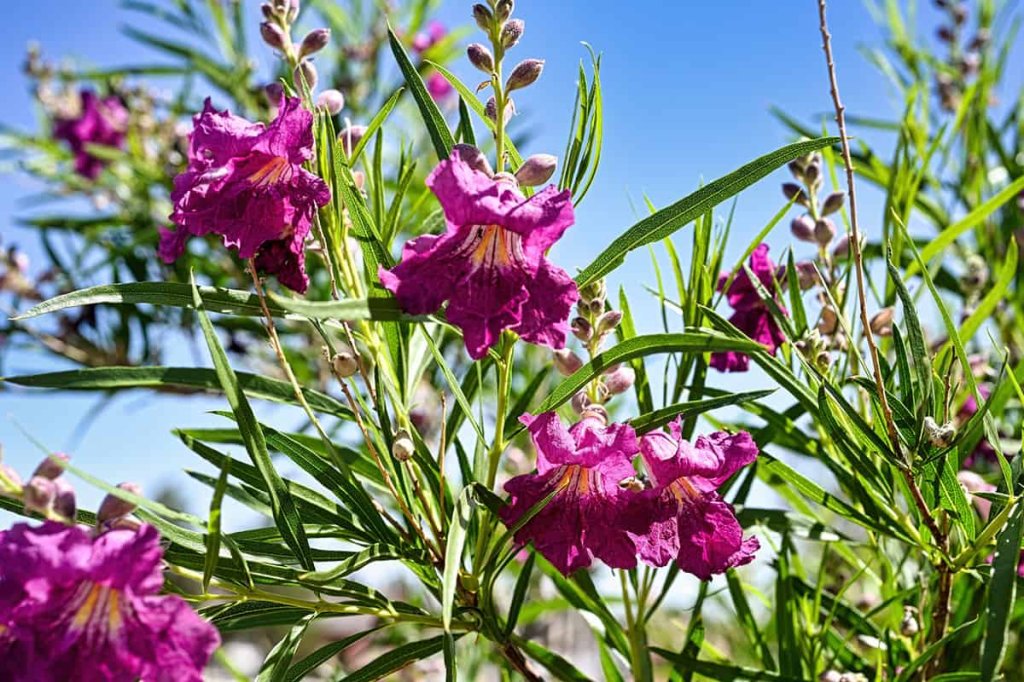
Yes, we’re in the desert, but water can still steal the show—just keep it on a tight leash. A recirculating rill no wider than a skateboard deck sends a ribbon of water down a steel trough, then whispers it back to the reservoir beneath—no evaporation tantrums. Pair that with a smart irrigation controller that checks Weather Underground before it spritzes; the EPA’s WaterSense program says homes save up to 15,000 gallons annually when they let the cloud do the scheduling. Harvest the rare cloudburst itself: carve a shallow swale perpendicular to your driveway so winter storms irrigate your desert willow instead of the storm drain. Top the swale with permeable stabilized DG so you still get a walkway that drains faster than a TikTok trend.
Creating Focal Points & Visual Interest
Every great yard needs a “wait, what is that?” moment. One 600-pound boulder with sunset-orange lichen does the trick—position it off-center (rule of thirds, not middle-school photo) and plant a single Agave parryi at its base like the rock is giving birth to modern art. Alternatively, splurge on a corten-steel tower that rusts to a Mars-like patina and spews a gentle mist—sculpture and micro-climate in one. Color? Use it like hot sauce: sparingly. A six-foot panel of Pantone’s Color-of-the-Year painted on a stucco wall makes a chartreuse Euphorbia rigida pop so hard your neighbors will need sunglasses.
Pathways, Entryways & Defining Spaces
Paths should guide visitors like a good plotline—no confusing sub-plots. Lay 24-inch concrete pavers with 2-inch gravel joints; the gap says “I’m relaxed,” the width says “I’m ADA-friendly.” Angle the path 15 degrees off the sidewalk so the journey feels intentional, not apologetic. Frame the front door with twin steel planters holding upright Yucca rostrata—their pom-pom heads echo porch lights and make the stoop feel like a boutique hotel. Need a subtle privacy screen? A 30-inch tall steel blade wall set 8 feet back from the sidewalk zones the yard: public gravel courtyard up front, private mesquite-shaded entry beyond.
Lighting Design for Atmosphere & Security
Desert nights are dark enough to make a coyote disappear; your yard shouldn’t. Install 2700 K LED path lights—warm, not UFO. Uplight that statement boulder with a 3-watt narrow beam so the rock becomes a shadow puppet theatre. Silhouette a columnar cactus by hiding a fixture behind it aimed at the wall; you’ll get a saguaro shadow that stretches like a cowboy at sunrise. Add a dimmable strip under the bench and suddenly midnight margaritas feel legal. Bonus: DarkSky-approved fixtures keep you neighbor-friendly and bat-friendly—because nobody wants to explain to the HOA why your yard is visible from space.
Low-Maintenance Strategies & Long-Term Care
Modern desert is the lazy gardener’s revenge. Pick slow growers (skip the leapin’ prickly pear) and you’ll prune with kitchen tongs once a year—literally, tongs, those spines are social distancing champions. Lay woven geotextile under gravel to block weeds but still let rain percolate; it’s like Spanx for your soil—everything stays smooth. Refresh granite every three years—think of it as topping up your phone battery, not rebuilding the engine. Seasonal checklist: February, raise irrigation duration 20 %; June, snap off agave bloom spikes (they die after the swan song); November, rake leaves before they stain the concrete like yesterday’s coffee.
Integrating with Modern Home Architecture
If your house wears a steel address plaque and sports floor-to-ceiling sliders, echo those materials outside: a corten planter repeats the rusted steel fascia, a board-formed concrete wall mirrors the home’s foundation. Pull the exterior paint’s darkest accent color onto a garden gate—suddenly landscape and architecture finish each other’s sentences. Keep plant heights below window sill level along the street façade; the house stays the hero, the yard is the hype man. If you’ve got flat roof overhangs, extend lines outward with a horizontal pergola slats—shade for you, trellis for a tough-as-nails Bignonia vine that laughs at 110 °F.
Cost-Effective Implementation Ideas & DIY Tips
Rome wasn’t Xeriscaped in a day. Phase 1: demo the lawn, lay main paths, install irrigation backbone—hire pros for heavy lifting. Phase 2: DIY gravel spreading (rent a skid-steer for a weekend, feel like Bob the Builder). Phase 3: plant sale binge and plug-in lighting. Splurge on one Instagram-worthy focal piece—maybe a $600 corten fire bowl—and save by using ¾-inch river rock for the bulk area; from ten feet away nobody knows it didn’t cost Italian-marble bucks. Build simple raised planters from 2×12 redwood and exterior screws; fill with cactus soil mix (50 % pumice, 50 % compost) so your agaves don’t sulk in clay like wet socks.
Frequently Asked Questions
Can a modern desert landscape have any “lawn”? Sure—if by lawn you mean a 4-by-4 patch of artificial turf you occasionally vacuum. Real grass? Only if you enjoy watering a diva; try Dymondia margaretae (silver carpet) instead—it survives on sips and feels like walking on felt.
How do I deal with poor, rocky soil? Don’t fight it—desert plants crave fast drainage. Plant high: dig a shallow saucer, then mound the root ball 2 inches above grade. Backfill with gravelly mix; it’s basically giving your agave a VIP drainage suite.
Are desert landscapes only for hot climates? Nope. Mediterranean dry-summer regions—think Southern California, Portugal, even parts of Australia—can steal every idea here. Swap frost-tender species for cold-hardy counterparts like Opuntia humifusa and you’re golden.
How do I keep gravel clean and free of weeds? Geotextile + 2-inch deep gravel + leaf blower once a month. Spot-spray weeds with 20 % horticultural vinegar; it’s the salad dressing of doom for unwanted seedlings.
What are the most common mistakes? Crowding plants like it’s a Black Friday sale, installing shiny black lava rock (it doubles as a skillet), and forgetting to future-size—today’s cute 1-gallon agave is tomorrow’s 6-foot monster with dagger leaves aimed at the mailman.
Conclusion: Your Oasis Awaits
Modern desert landscape front yard ideas you’ll love aren’t about turning your home into a Martian outpost—they’re about celebrating what already thrives outside your door: sunlight, stone, and plants that refuse to apologize for being tough. Start with one clean line, one sculptural agave, one strip of glowing LED path light. Watch the neighbors slow their evening walks. Listen to your water bill sigh with relief. And when the next summer scorcher hits, pour yourself a cold drink, kick back behind that corten wall, and enjoy the only patch of desert that also feels like home.
Resources & Further Reading
Need deeper dives? The American Society of Landscape Architects offers pro-level design guides. The Lady Bird Johnson Wildflower Center has ZIP-code-specific native plant lists. For geek-level xeriscape science, your state’s cooperative extension service publishes free bulletins on soil prep and irrigation scheduling. And if you’d rather binge-watch, YouTube’s “Garden Answer” channel has a stellar playlist on desert container combos—because even a blow-dryer summer can’t stop a well-informed plant parent.