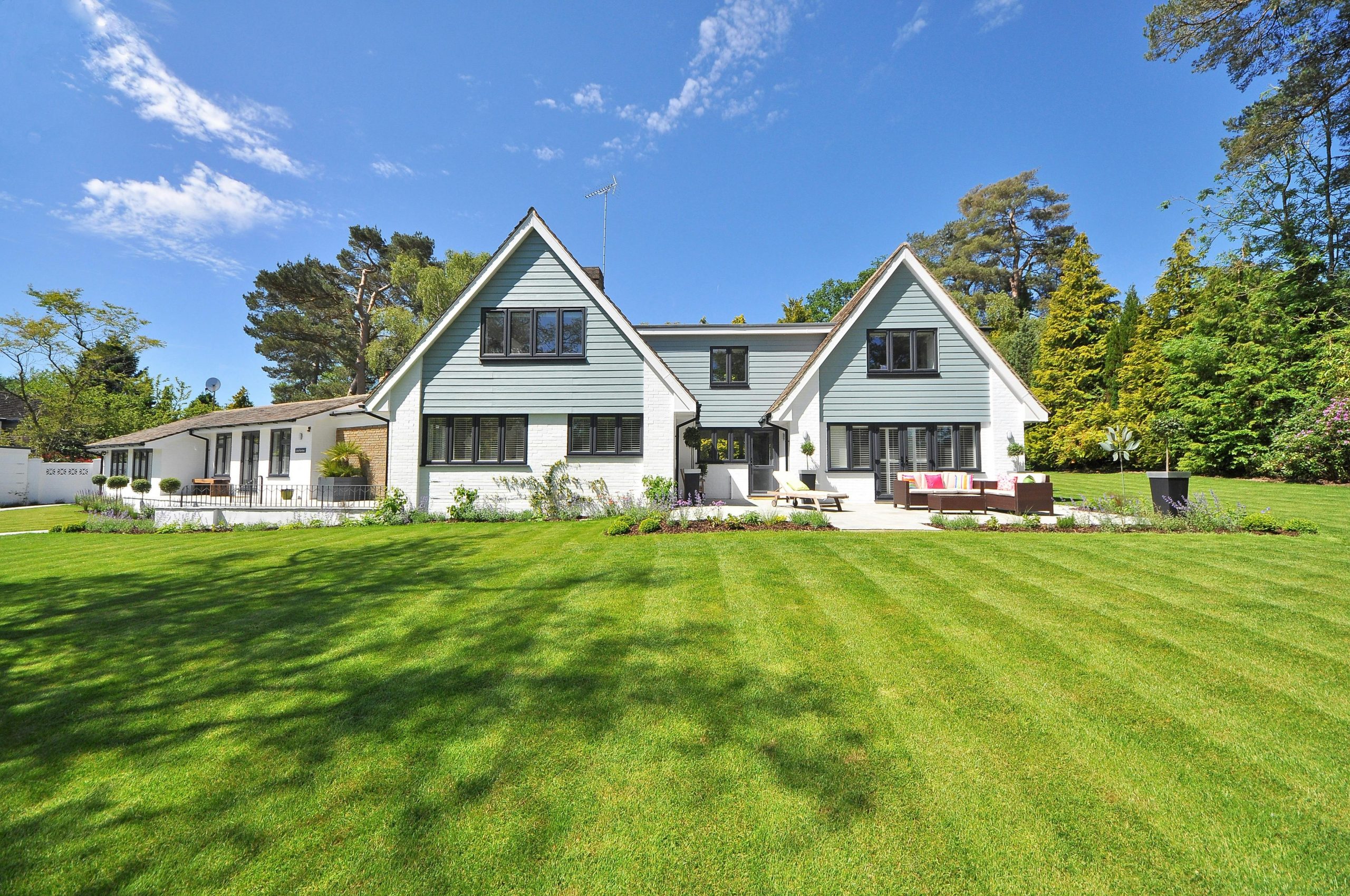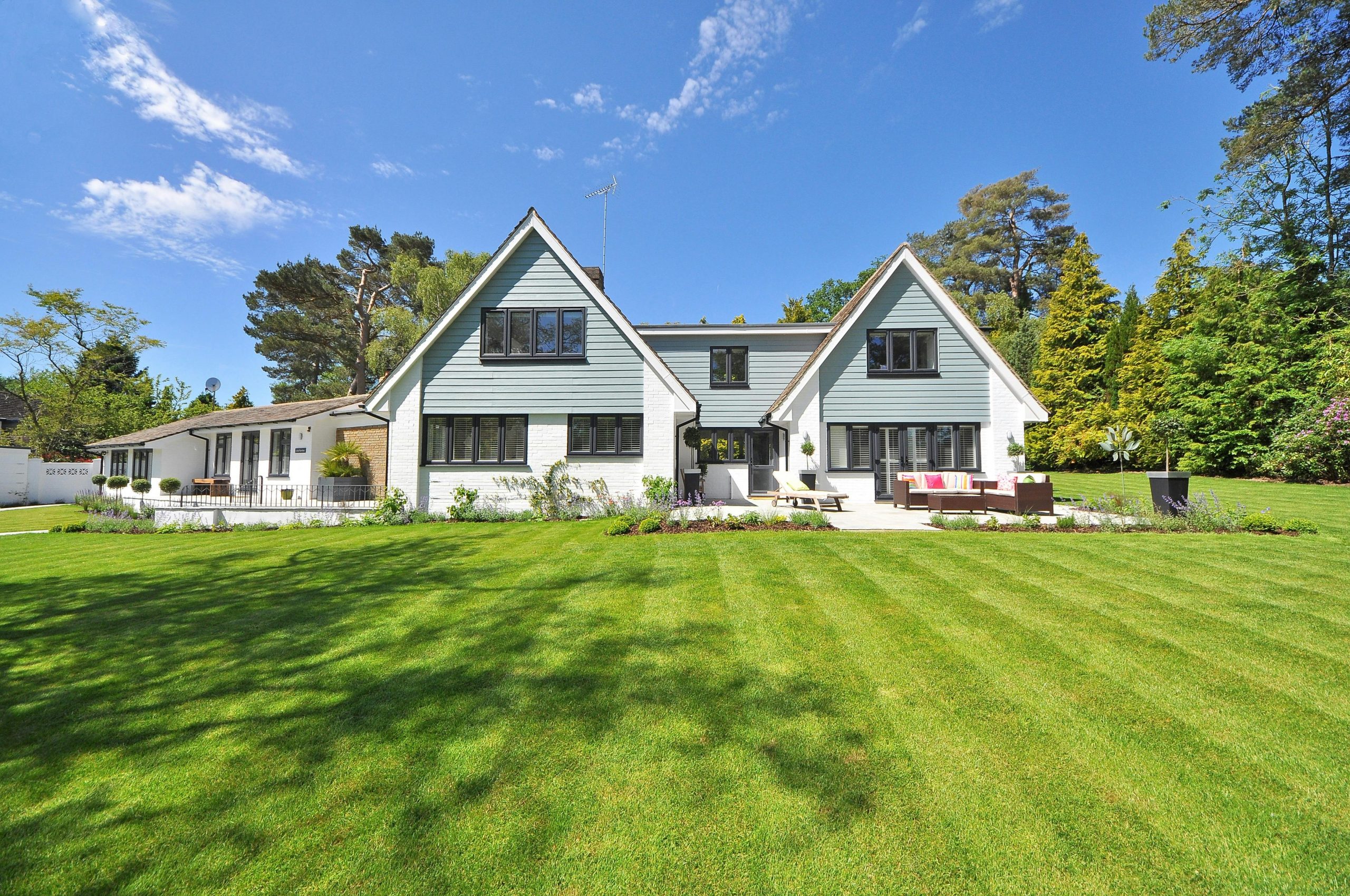
Remember when “screen time” meant counting fireflies through a mason jar? Outdoor play isn’t just nostalgic—it’s neurologic gold. The CDC links regular romps in fresh air to stronger bones, better sleep, and a 30 % drop in childhood anxiety symptoms. For parents, the garden becomes the cheapest therapist, gym, and memory-maker on the block. Yet the average American backyard is still a hodge-podge of spiky shrubs, splintered decking, and that mysterious pond the previous owners swore was “decorative.”
Family-Friendly Garden Ideas: How to Create a Safe and Fun Outdoor Space is your blueprint for turning that patch of chaos into a secure, engaging haven—one that grows with your kids and doesn’t require a full-time gardener named Jeeves. Below we’ll weave safety with silliness, learning with lounging, and budget-savvy hacks with big-picture design so every age group—from toddling tornadoes to caffeine-wielding caregivers—has a reason to step outside and stay there.
Understanding the Goal: Key Principles for a Family Garden
Think of your garden like a Swiss-Army knife: it needs to slice, dice, and still fit in your pocket (or at least your property line). Start by balancing safety with the kind of managed risk that teaches kids coordination and confidence—yes, that means letting them climb, but maybe not over a bed of cacti. Encourage exploration by carving out “yes” spaces where anything goes (short of excavating to China) and “look-don’t-touch” corners for delicate blooms. Design for growth the way you buy sneakers half a size up: install a swing set with adjustable chains, choose modular seating, and leave blank mulch real estate for future trampolines. Finally, embrace low-maintenance like it’s the holy grail; busy families need perennials, not persnickety roses that demand daily pep talks.
Essential Safety Features for Kids
First, audit the flora like a paranoid botanist. English ivy, oleander, and even the humble daffodil can turn a curious nibble into an ER visit faster than you can say “Google poison control.” Swap offenders for a “safe plant list” that includes sensory stars such as lavender, rosemary, and sunflowers—all rated non-toxic by the National Capital Poison Center. Water is next: a toddler can drown in two inches, so either fence the pond like Alcatraz or convert it into a self-draining splash pad with a hidden reservoir. Boundaries should be fortress-level—think 4-foot fencing with self-latching gates—and check sightlines from the kitchen window so you can sauté veggies while mentally cataloging offspring. Under the swings, trade scratchy grass for 9 inches of engineered wood fiber or rubber mulch that meets ASTM fall-height standards; your future self (and tush) will thank you. Round off hardscape edges with a belt sander, lock tools in a weatherproof chest, and you’ve basically child-proofed the Final Frontier.
Engaging Play Zones & Activities
Kids are energy machines: give them a runway or they’ll reupholster your couch. A compact play structure—wooden if you’re rustic, recycled plastic if you’re eco-savvy—anchors active play; add a cargo net for upper-body bragging rights. Creative corners cost almost nothing: pallets plus a thrift-store sink become a Michelin-star mud kitchen, while a $20 chalkboard painted on the fence turns doodles into washable murals. Sports real estate can be as simple as a PVC soccer goal that folds like a lawn chair or a strip of artificial turf marked with yard-lines for budding NFL hopefuls. Natural elements—stumps for hopscotch, a willow tunnel that doubles as a hide-and-seek HQ—invite open-ended play that no app can replicate. Rotate accessories seasonally (bubble machine in July, leaf pile in November) and the garden stays fresher than Netflix’s algorithm.
Fun & Educational Garden Elements
Give a kid a seed and you’ve handed them a biology lab. Raised beds built from 2×8 cedar planks let little knees plant, water, and harvest without face-planting into kale. Assign each child a “pizza slice” section—tomato, basil, oregano—so dinner becomes a edible report card. A sensory path lined with lamb’s ear (touch), chocolate cosmos (smell), and rustling grasses (sound) turns a stroll into synaptic fireworks. Wildlife 101: hang a clear-backed bird feeder at eye level so kids can inspect feathered traffic, and stack a bug hotel from bamboo offcuts to host lacewings that devour aphids—free pest control with a side of ecology. Edible gardens double as sneaky math lessons: “If six strawberries sprout and Dad eats four, how many years until Mom forgives him?”
Family-Friendly Hardscaping & Layout
Hardscape is the garden’s skeleton—get it wrong and everything wobbles. Choose composite decking that stays cooler than lumber under bare feet (no interpretive dance to avoid scorched toes) and pair it with non-slip porcelain pavers rated for pool decks. Zone like an urban planner: active north, dining central, chill corner south where parents can sip rosé while maintaining laser vision on the trampoline. Paths should accommodate trikes and wheelbarrows—aim for 4-foot widths of compacted decomposed granite edged with steel. Shade is non-negotiable; a triangular sail shade costs less than a family trip to Target and drops ambient temps by 10 °F. If budget allows, a pergola with retractable canopy morphs from sunny brunch spot to star-gazing theater after bedtime.
Choosing the Right Plants
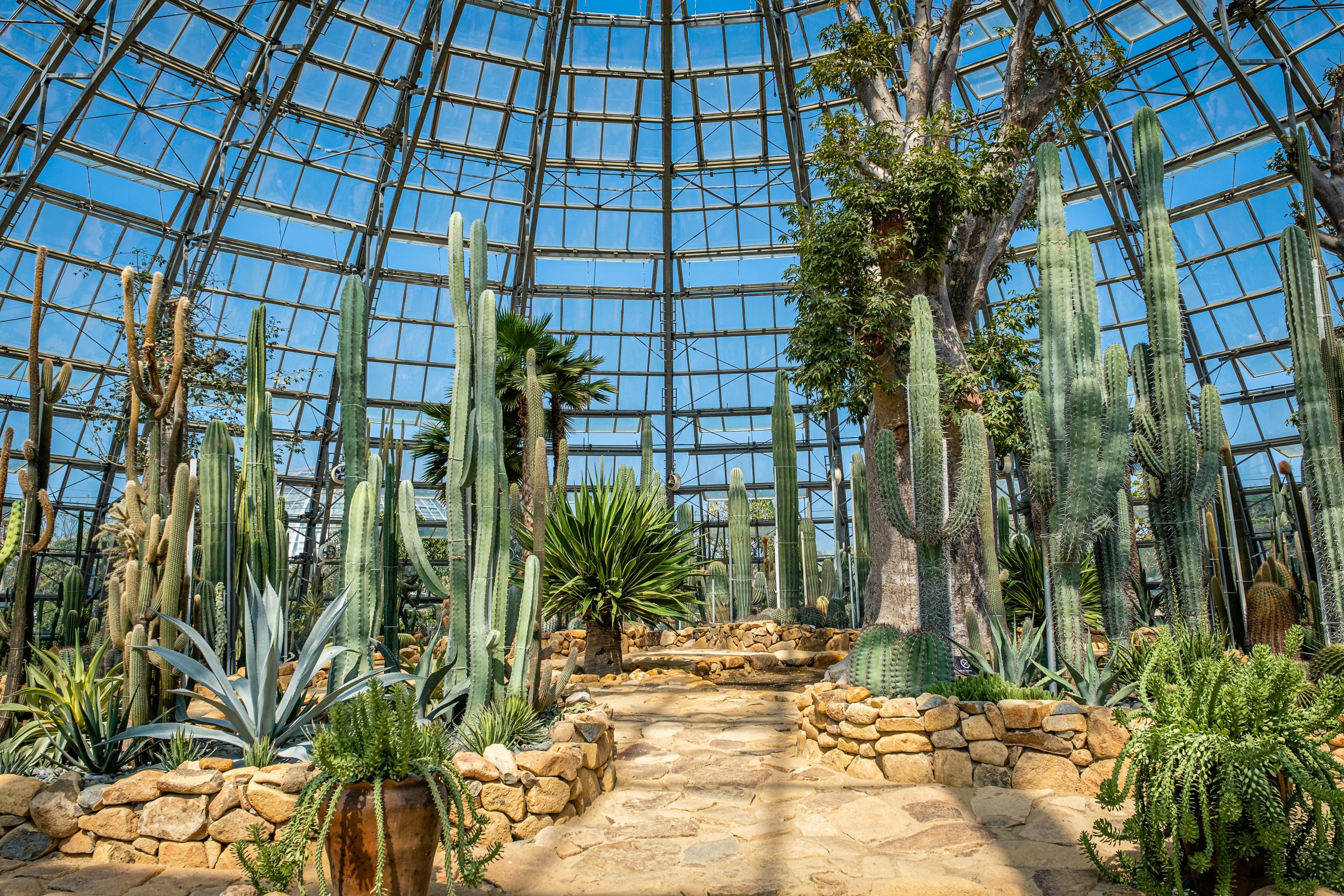
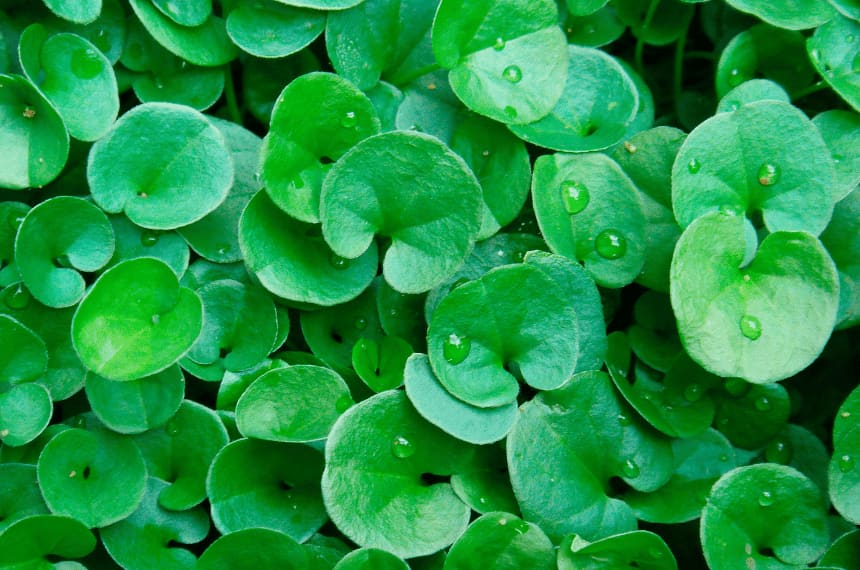
Think of plants as roommates: pick the ones that won’t poison you, steal your sunlight, or demand constant attention. The child-safe hall of fame includes coreopsis, marigold, blueberry bushes, and snapdragons (bonus: you can make them “talk”). For high-traffic turf, swap finicky Kentucky bluegrass with dwarf perennial ryegrass—tolerates trampling and repairs itself like Wolverine. Discovery plants? Sunflowers race skyward at two inches a day, perfect for Tuesday measuring rituals. Low-allergy choices—hosta, coral bells, ornamental grasses—keep pollen counts down so playdates don’t turn into tissue conventions. Pro tip: plant in drifts of three or five; kids notice patterns and you’ll look like a design genius even if you still can’t keep a cactus alive.
Creating Spaces for All Ages
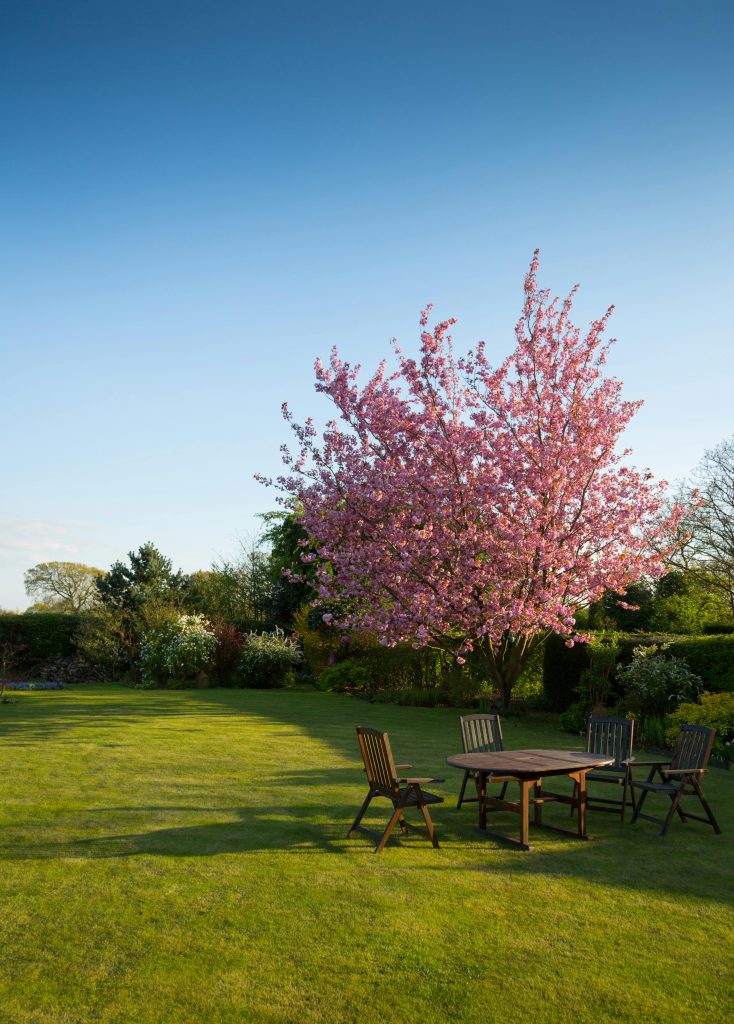
A garden that only entertains children is like a cocktail bar serving juice boxes—cute, but Mom and Dad will defect. Carve out an adult oasis a stone’s throw from the action: two Adirondack chairs angled 45° fosters conversation while preserving sightlines. A modular L-shaped sectional lets you reconfigure for toddler sing-alongs or teenage Fortnite marathons. Fire pits with mesh lids extend the season and become s’mores magnets; surround with heat-resistant pavers stamped in geometric patterns so the space still looks curated at 2 a.m. when the last log pops. A roll-out lawn—real or high-quality artificial—acts as the family Swiss flag: neutral ground for yoga, cartwheels, or that inflatable movie screen you swore you’d use every summer (you will now).
Low-Maintenance & Durable Solutions
Unless you’re training for Gardening Olympics, automate the boring stuff. Drip irrigation on a $30 battery timer cuts water use by 50 % and saves roughly 40 hours of hose-dragging per season, according to EPA WaterSense. Mulch once, whine less: a 3-inch blanket of shredded bark suppresses weeds and adds curb appeal faster than a fresh coat of paint. Choose perennial powerhouses like sedum and echinacea that return yearly like loyal Labradors. For high-traffic zones, modern artificial turf drains faster than a Brit discussing weather and feels soft enough for bare-knee soccer. Furniture? Powder-coated aluminum and high-density polyethylene (HDPE) wicker laugh at rain, snow, and the occasional juice-box tsunami—just hose off and move on.
Budget-Friendly DIY Ideas
Your wallet doesn’t need to file for bankruptcy. An old tractor tire, a bag of playground sand, and a thrift-store parasol become a beach-worthy sandbox for under $40. Pallets stacked L-shaped, lined with weed-barrier, morph into a raised strawberry bed that Pinterest would double-tap. Seed swaps with neighbors diversify your veggie patch for free; Facebook Marketplace is a goldmine for second-hand playhouses that need nothing more than power-washing and elbow grease. Map your transformation in phases: safety first (fence, toxic plant purge), play second (swing set), pretty third (pergola). Spreading cost over 18 months turns a daunting reno into a manageable subscription you actually enjoy.
Frequently Asked Questions (FAQ)
What are the top 5 most dangerous plants to remove from a family garden?
Oleander, foxglove, castor bean, lily-of-the-valley, and rhododendron. All can stop a heart or shut down kidneys faster than you can pronounce their names.
How can I make my existing garden pond safe for toddlers?
Install a rigid mesh grille rated for 400 lbs, add a perimeter fence 3 ft high with self-latching gate, or convert to a bog garden with no open water. The American Red Cross recommends dual-layer protection: barrier + alarm.
What is the best soft surface to put under a swing set?
For a 6-foot fall height, engineered wood fiber offers the best cost-to-impact absorption ratio; rubber tiles win for longevity and wheelchair accessibility.
How do I design a garden that is fun for both a 3-year-old and a 10-year-old?
Layer vertical challenge (climbing wall) above toddler turf (sandbox) so older kids ascend while younger ones dig. Include loose parts—logs, planks—that scale from tea-party benches to ninja-warrior obstacles.
What are some quick, low-cost ideas to make my garden more child-friendly this weekend?
Chalkboard paint on a fence panel, 2) $5 bubble machine, 3) DIY scavenger-hunt cards (“Find something that smells like lemon”), 4) fill a plastic bin with water and kitchen utensils for instant water play, 5) string up solar fairy lights for magical bedtime exits.
Inspiration & Resources
Scroll through the Royal Horticultural Society’s “Gardening for Children” gallery for layouts ranging from balcony boxes to quarter-acre Edens. The National Wildlife Federation’s Certified Wildlife Habitat program offers step-by-step guides to attracting pollinators—great homework-helper visuals. Download our printable checklist (link in bio) to tick off safety audits, plant shopping lists, and weekend DIYs without drowning in sticky notes.
Conclusion
A family-friendly garden isn’t a luxury; it’s a frontline investment in mental health, physical vigor, and memories that outlive any smartphone upgrade. Start small—maybe a sandbox this month, a sunflower race next—and iterate like Silicon Valley, minus the venture capital. Invite the kids to vote on colors, the teens to budget the plants, the dog to quality-test the turf (inevitably). Before long you’ll have an outdoor sanctuary where scraped knees heal faster than Wi-Fi connects, and the only screen anyone cares about is the one keeping mosquitoes off the porch. Now shut the laptop, grab a trowel, and go plant a childhood.