Picture this: it’s 2 a.m., thunder is doing its best drum solo overhead, and you’re creeping downstairs in socks that are now—surprise!—soaking up a miniature lake on the basement floor. That puddle didn’t appear out of thin air; it rode a lazy river of rainwater that your landscaping politely escorted straight to your foundation. The hero that could have prevented this soggy catastrophe? Proper grading—and, more specifically, the soil you choose to shape that grade. Pick the right dirt and you’ll send rainfall packing; pick the wrong stuff and you might as well roll out a red carpet for mold, cracks, and repair bills the size of a Tesla down-payment. In the next ten minutes you’ll learn exactly what soil to use for grading around a house, why sandy loam is the Beyoncé of backfill, and how to dodge the rookie mistakes that keep foundation contractors in business.
Understanding Grading’s Role in Foundation Health
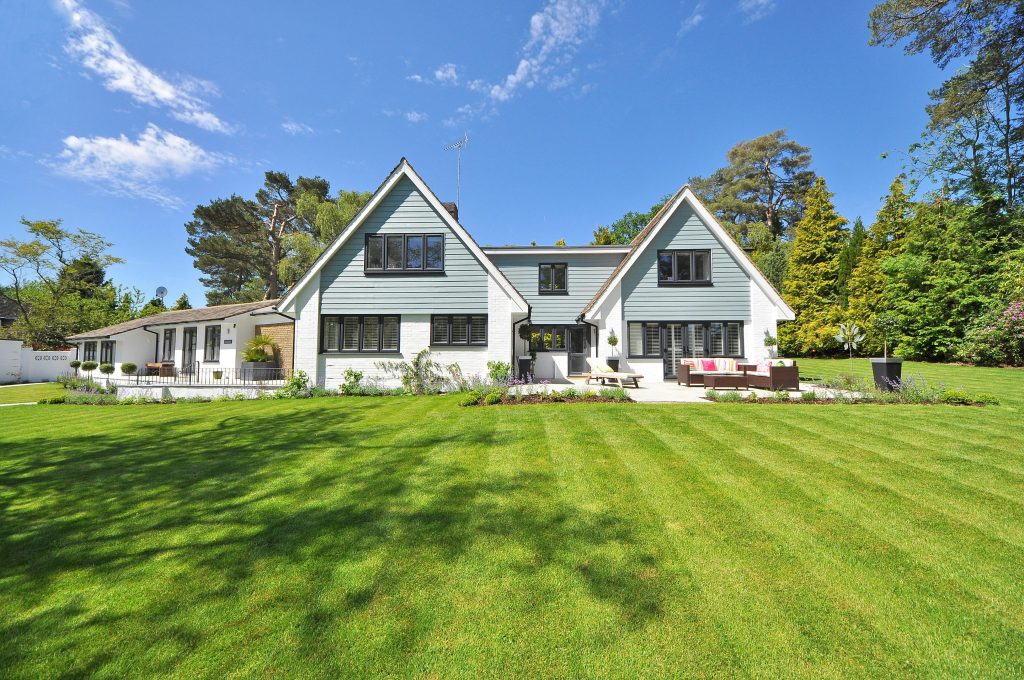
Grading is nothing more than sculpting the ground so water flows away from your home, yet its importance is almost comically underrated. Think of your house as a candle on a birthday cake: if the icing (soil) slopes toward the wick (foundation), every splash of milk (rain) will pool around the flame. Over time that moisture saturates the soil, jacks up hydrostatic pressure, and presses against basement walls like a car-wash sponge squeezed by a giant fist. The National Association of Home Builders warns that 68% of wet-basement complaints stem from incorrect surface grading. Do it right and you’ll keep humidity in check, discourage termites, and protect your biggest investment—while also boosting resale value faster than a kitchen facelift.
Key Properties of Ideal Grading Soil
Not all dirt is created equal. The perfect grading soil is the Swiss-army knife of geology: it drains quickly, compacts into a stable platform, laughs in the face of erosion, and refuses to throw tantrums when it’s wet or dry. Translation: you want moderate permeability (water escapes, but not so fast it undermines the slope), enough cohesion to form a firm surface once tamped, minimal organic matter (which rots and sinks), and a low shrink-swell potential—meaning no heaving like a nervous cat every time the weather changes.
Best Soil Types for Grading Around Foundations
Sandy Loam (The Gold Standard): Imagine if sand and silt had a well-adjusted child who inherited the best traits of both: rapid drainage, easy workability, and enough grit to knit together under compaction. That’s sandy loam, and agronomists at the USDA Natural Resources Conservation Service classify it as the holy-grail texture for backfill.
Loam: Close cousin to sandy loam, slightly higher silt content, still perfectly usable—like choosing milk chocolate over dark; both beat a candy bar.
Modified/Engineered Fill: For problem sites—say, expansive clay native soil—quarries blend custom mixes (often sand + crushed rock + just enough fines) that compact to 95% Standard Proctor density. It’s the gluten-free flour of dirt: pricier, but worth it when conditions demand.
Fill Dirt vs. Topsoil: Fill dirt is structurally competent subsoil stripped from building sites; topsoil is the fluffy, nutrient-rich upper layer that grows lettuce. Use fill for shaping your grade, then cap with 4–6 inches of topsoil if you want turf. Confuse the two and you’ll grow a fabulous lawn that doubles as a sponge against your basement wall.
Soils to AVOID: Pure clay (bathtub liner), pure sand (hourglass), and anything that smells like a compost bin—organic matter decays, creating sinkholes and voids that would make a golf-course gopher jealous.
Expert Tips for Selecting & Using Grading Soil
Sourcing Quality Fill: Search “clean fill dirt near me” and you’ll find landscape or aggregate suppliers selling by the cubic yard—roughly a pickup-truck bed. Ask for a sieve analysis or at least a verbal guarantee of “sandy loam, no clay balls, no trash.” Bonus points if they’ll dump it in 12–14-cy piles that look like miniature pyramids on your driveway.
Simple Soil Tests: Do the “feel test”: dampen a handful, squeeze, then poke. If it holds shape but crumbles when prodded, you’re golden. If it’s a shiny brick, walk away. For science-nerd fun, run a jar test: one cup soil + one quart water + shake; sand settles in two minutes, silt in four hours, clay overnight. Measure layers and compare to USDA’s texture triangle.
Proper Preparation & Placement: Strip grass and roots first—think of it as exfoliating before moisturizer. Add fill in 6-inch “lifts,” moisten like a wrung-out sponge, then compact with a plate tamper (rent one for $60/day). Repeat until you reach desired height. Skipping compaction is like frosting a cake before it cools: everything eventually sags.
Achieving the Correct Slope: The rule of thumb: 6 inches of drop in the first 10 feet (5% grade). Stake two points, string a line with a bubble level, measure; adjust. Smartphone apps like “iHandy Level” work in a pinch, but a $20 line level from the hardware store is less fussy than your screen in bright sun.
Ensuring Proper Drainage Integration
Grading is Batman, gutters are Robin. Even perfect soil can’t handle a waterfall from a missing downspout extension. Add 5-foot extensions or underground drain tile to dump water past your new slope. If the lot is flat, pair grading with a French drain: a perforated pipe in a gravel-filled trench that acts like a subway for runoff. The Building Science Corporation notes that combining positive grade (≥5% slope) with subsurface drainage reduces moisture intrusion by up to 90%.
Maintaining Foundation Stability Over Time
Well-graded, well-compacted soil behaves like a memory-foam mattress: it supports weight without shifting, minimizing differential settlement. In freeze zones, dense soil also limits water infiltration that can expand when temperatures drop—goodbye, frost heave. Inspect your grade each spring: look for animal burrows, kid-made bike ramps, or erosion gullies that resemble tiny Grand Canyons. Top-dress with fresh fill, compact, and reseed; five minutes now saves five grand later.
Common Mistakes to Avoid
Re-using the clay you just excavated is the landscaping equivalent of repainting a wrecked car without fixing the dent. Reverse grade—where lawn dips toward the house—often happens when DIYers eyeball slope instead of measuring. Planting a thirsty willow five feet from the foundation is another classic; roots tunnel, soil loosens, water follows. And remember: mulch is not grading. A mountain of wood chips simply creates a sogdy sponge that laughs at gravity.
When to Consult a Professional
If your basement walls already look like a cracked eggshell, or if you need to move more than 20 cubic yards and your workout routine involves lifting Netflix remotes, call in a landscaping contractor or foundation specialist. A civil engineer may be warranted for retaining walls over 4 feet or slopes steeper than 1:1. Expect $500–$1,500 for a grading plan and anywhere from $30 to $60 per cubic yard installed (materials + labor). Compare that to the average $8,000–$15,000 price tag for foundation underpinning and the math is easier than a first-grade counting exercise.
Frequently Asked Questions (FAQ)
Q: Can I just use the dirt from my yard to regrade?
A: Unless you live on a beach or a sandbar, native soil is usually clay-rich—great for pottery, lousy for drainage. Import clean fill.
Q: How much does fill dirt cost?
A: $8–$25 per cubic yard depending on region and quality. Delivery adds $100–$200 per 15-yard load—still cheaper than therapy for a wet basement.
Q: How often should I check my grading?
A: Once a year, ideally after the spring melt or a gully-washer summer storm. Think of it as your home’s annual physical.
Q: Can I put topsoil over my graded fill dirt?
A: Absolutely—4–6 inches once compaction is done. Your grass needs nutrients; your foundation needs structure. Everyone wins.
References & Further Reading
Deep dive? Check the International Residential Code (IRC) for foundation drainage requirements, browse the American Society of Civil Engineers’ library on soil mechanics, or geek out over USDA’s soil texture calculator. For gear, a 14-inch plate tamper and a digital line level are inexpensive rentals that turn guesswork into precision.
Conclusion
Choosing what soil to use for grading around a house isn’t rocket science—it’s dirt science. Aim for sandy loam or clean structural fill, compact it in layers, slope it 5% away, and marry it to functional gutters. Do that and you’ll retire your wet-vac, starve the mold monsters, and keep your foundation standing proud longer than the ‘I’m never moving again’ boxes in your attic. Your home is your castle; give it the moat that flows the other way.