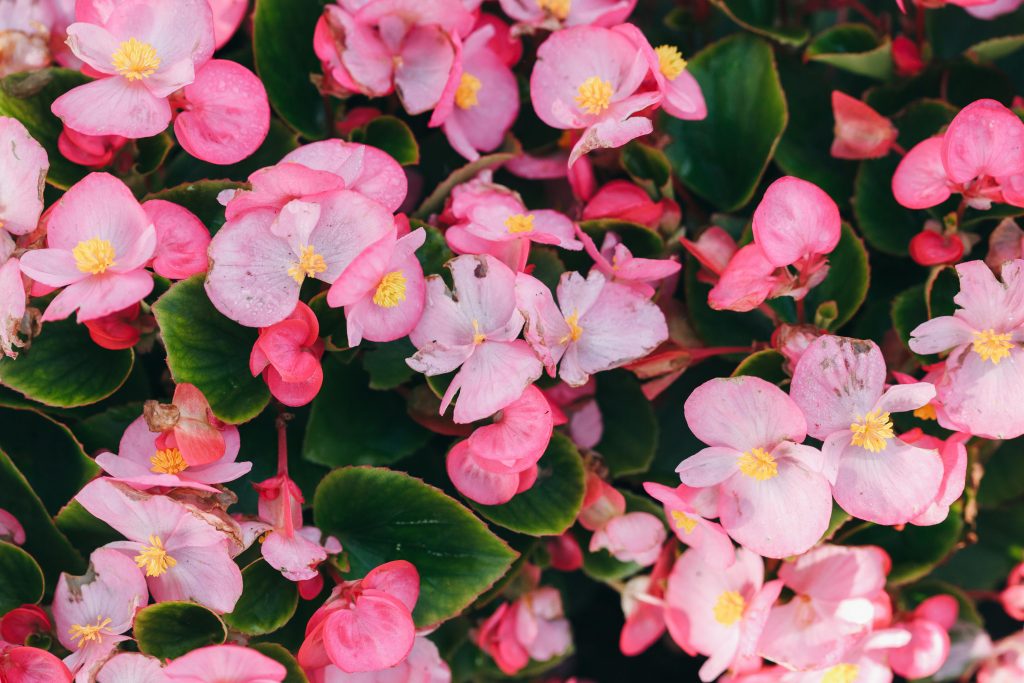
Scroll through any #PlantParent feed and you’ll spot them—those ruffled petals that look like they’ve been painted by a watercolorist who isn’t afraid of neon. Begonias have quietly become the introverted celebrities of the house-plant world: photogenic, low-drama, and somehow always bathed in the best light. Yet beneath the Instagram filter lies a back-story that would make a Victorian debutante clutch her pearls. The meaning of begonia flower: symbolism and cultural significance stretches from love letters sealed with wax to modern-day thank-you bouquets, and the message changes color—literally—depending on where, when, and to whom you hand the bloom.
Think of the begonia as the floral equivalent of a Swiss-Army knife: it can say “I’m crazy about you,” “Proceed with caution,” or simply “You’re one of a kind,” all before lunch. This article digs into that layered language so the next time you see a begonia, you’ll know whether it’s flirting, warning, or applauding your individuality.
Core Symbolic Meanings of Begonias
Strip away the petals and you’ll find a set of keywords that florists keep tucked behind their backs. On the sunny side, begonias broadcast gratitude, individuality, harmony, and the kind of deep thinking you do while repotting plants at 1 a.m. On the shadow side, they whisper: look again, tread carefully, or maybe don’t text your ex back. It’s this built-in dimmer switch that makes begonias irresistible to people who like their beauty with a side of edge.
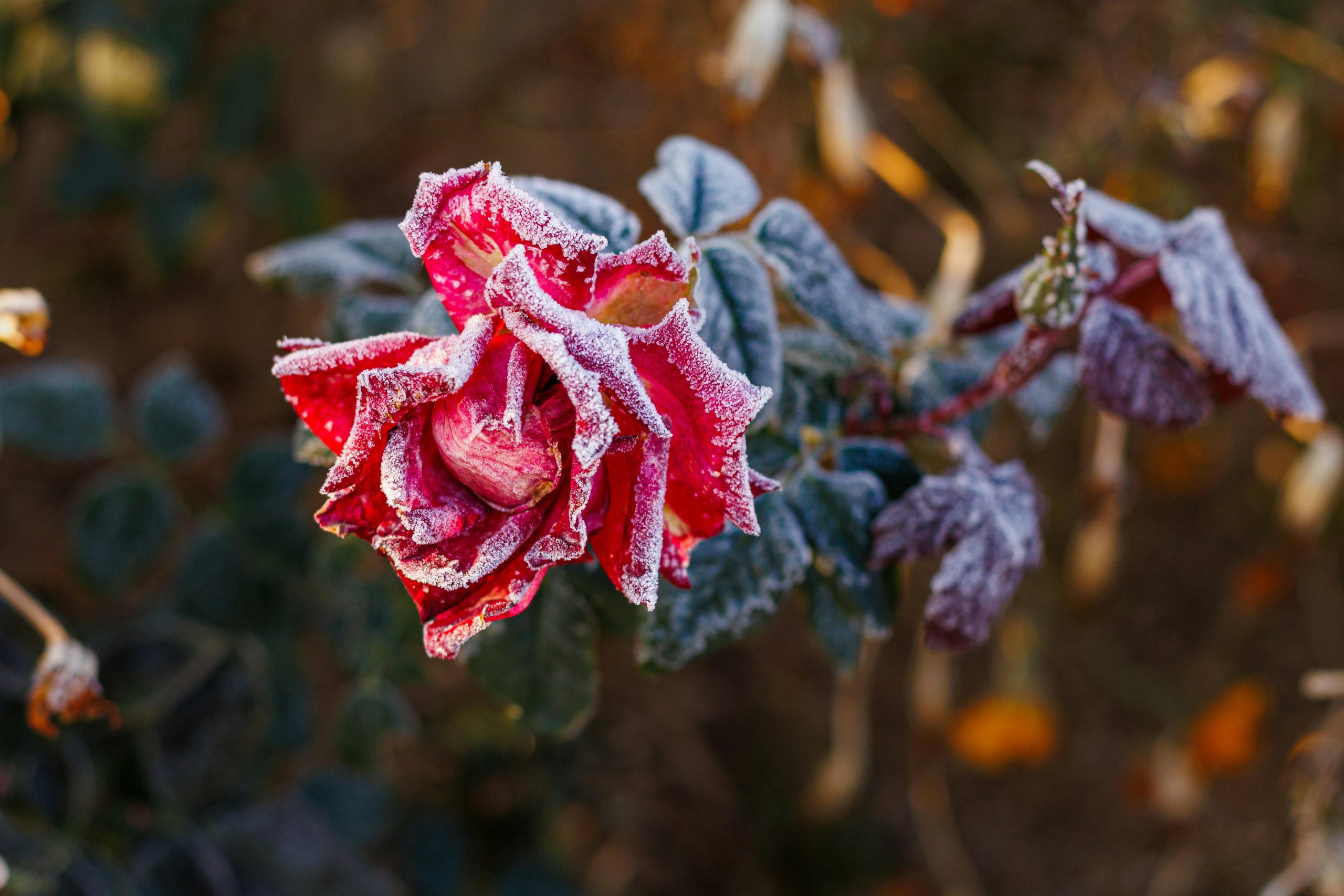
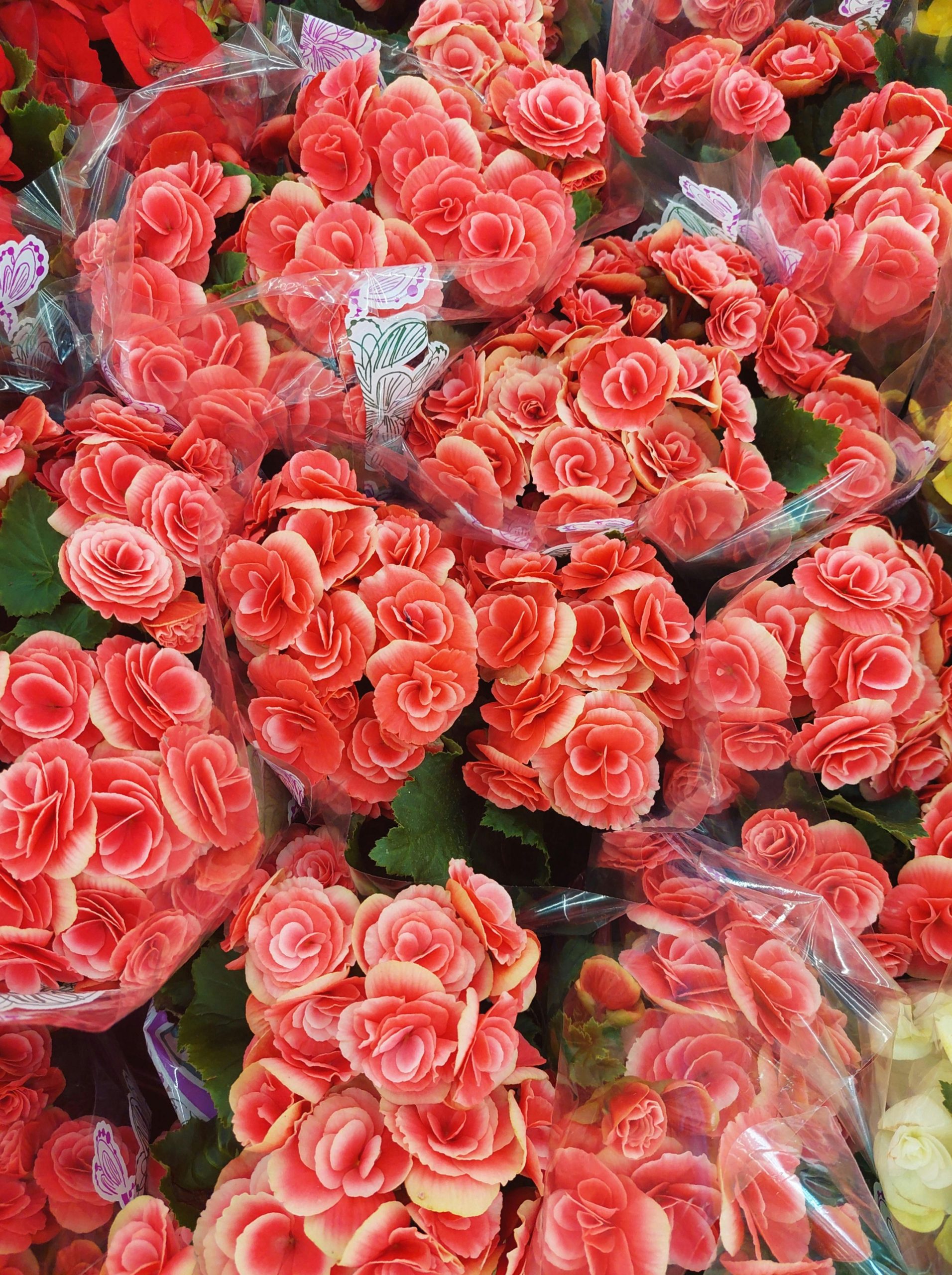
Color flips the script even further. Red begonias are the drama queens—equal parts passion and red-flag energy. Pink ones dial it back to affectionate giggles and thank-you notes. White begonias channel main-character energy: purity, fresh starts, the cinematic moment when the protagonist steps off the bus in a new city. Yellow begonias are liquid sunshine, the botanical version of “you’ve got this” voice notes from your best friend.
Cultural Significance of Begonias Across Regions
If you handed a begonia to a Victorian flower-language nerd, they’d recoil like you’d offered them a poisoned apple. In floriography—the 19th-century emoji system for repressed feelings—begonias meant “beware” or “I am darker than my lace collar suggests.” Give one to a suitor and you’ve essentially slid a Post-it across the ballroom saying, “Thanks, but I’d rather marry the estate lawyer.”
Fast-forward to modern Western culture and the begonia has done a full rebrand. It’s now the patron flower of quirky aunties, indie potters, and anyone who owns a typewriter “ironically.” Gratitude and individuality rule the day; the only warning involved is reminding your houseguests not to overwater it.
Hop east and the mood shifts. In China and Japan, begonias are beloved balcony regulars, stars of the autumn chrysanthemum-adjacent garden lineup. Poets compare them to “smiling clouds,” and while they don’t carry heavy symbolic baggage, their seasonal timing—bursting into color as the air cools—links them quietly to reflection and impermanence, the same way Westerners associate maples with fall nostalgia.
Contemporary florists now treat begonias like living greeting cards: miniature pots for “thanks for pet-sitting,” hanging baskets for “welcome to the neighborhood,” and dramatic rex varieties for “congrats on the avant-garde art opening.”
Contextual Interpretation of Begonia Meaning
Setting is everything. A single begonia on a windowsill can read as self-care; the same bloom tucked into a bridal bouquet might feel like a cryptic warning to the groom. In art, begonias often foreshadow duplicity—think film noir posters where the femme fatale clutches one while lying through lipstick. In literature, they’re the flower the villain grows obsessively in their greenhouse. Context, people.
Pairing matters too. Team begonias with red roses and you’ve got a love letter that says “I’m into you, but I’m complicated.” Add white lilies and the message softens to “I admire your pure, unique spirit.” Ivy woven through the arrangement flips the script again—now it’s “let’s be faithfully weird together.”
Good gifting moments: thanking the neighbor who collected your mail, congratulating a friend on finally quitting the job that was sucking out their soul, or handing a potted rex begonia to the colleague who keeps office plants alive like a horticultural superhero. Skip them for first-date bouquets unless you want your crush to think dating you requires a safety briefing.
Historical and Folkloric Associations
Myths about begonias are thinner on the ground than, say, roses or laurels, but their origin story is a flex of colonial soft power. French botanist Charles Plumier named the plant in 1690 after his patron, Michel Bégon, a Caribbean administrator and amateur plant nerd. Translation: the begonia is literally a LinkedIn thank-you note frozen in Latin. No gods, no epic heartbreak—just good old-fashioned political networking.
There’s no record of begonias curing plague or revealing true love, yet herbalists in Réunion and parts of South America did use certain species for poultices and tummy tonics. Modern science confirms some antimicrobial activity, but the Mayo Clinic is quick to remind us that backyard pharmacy is a risky hobby—keep the plant for pleasure, not prescriptions.
Begonias Beyond Symbolism: Practical & Aesthetic Value
Gardeners adore begonias for the same reason graphic designers love a good font family: options, baby. Tuberous begonias serve cascading color for shaded patios where petunias fear to tread. Wax begonias laugh at city pollution, lining sidewalks like floral traffic cones. Rex begonias skip flowers entirely and go full foliage, their leaves swirling with metallic hues that look Photoshopped in real life.
Care-wise, they’re the Goldilocks of the plant world: not too wet, not too dry, not too sunny. Overwater and you’ll watch them melt faster than ice cream on Texas asphalt—ironically reinforcing that Victorian whisper of “caution.” Yet give them well-draining soil, dappled light, and the occasional pep talk, and they’ll bloom like they’re trying to win a talent show.
Frequently Asked Questions (FAQ)
Q1: What is the most common meaning of a begonia flower?
Today it’s “thanks” or “you’re one of a kind,” though Victorian romantics would add “watch your step.”
Q2: Is it okay to give begonias as a gift? What do they say?
Absolutely—just pick the color wisely. Pink or yellow says “you’re awesome.” Red in a romantic context screams “I’m intense.” Maybe add a note so your intentions don’t get lost in translation.
Q3: What does a red begonia symbolize vs. a white one?
Red = passion or warning flare. White = fresh slate, pure intentions, new-job energy.
Q4: Are begonias considered poisonous?
Mildly. The National Capital Poison Center lists them as non-life-threatening but notes that grazing on leaves can irritate mouths and stomachs—so keep the toddler and the cat from treating them like salad.
Q5: Why did Victorians associate begonias with a warning?
Short answer: drama. Longer answer: the flower’s asymmetrical petals and preference for shady nooks felt secretive, so floriographers coded them as a floral side-eye.
Conclusion
The begonia is both siren and sweetheart, a bloom that can greet you with confetti-colored petals and still slip a tiny “proceed with caution” note into your pocket. Its meaning is a kaleidoscope: twist the tube of culture, color, or context and an entirely new pattern emerges. Appreciate the plant for its Instagram-worthy looks, sure—but also for the centuries of whispers it carries. Next time you spot one at the farmers’ market, pick the shade that says exactly what you mean, and maybe attach a tiny card: “No Victorian warnings intended—just thanks for being uniquely you.”
References & Further Reading
American Begonia Society
Royal Horticultural Society – Begonia Care Guide
Missouri Botanical Garden Plant Finder
Brennan, M. The Language of Flowers: A Miscellany. Chronicle Books, 2011.
Fischer, M. & al. Floriography Today. Lulu Press, 2020.