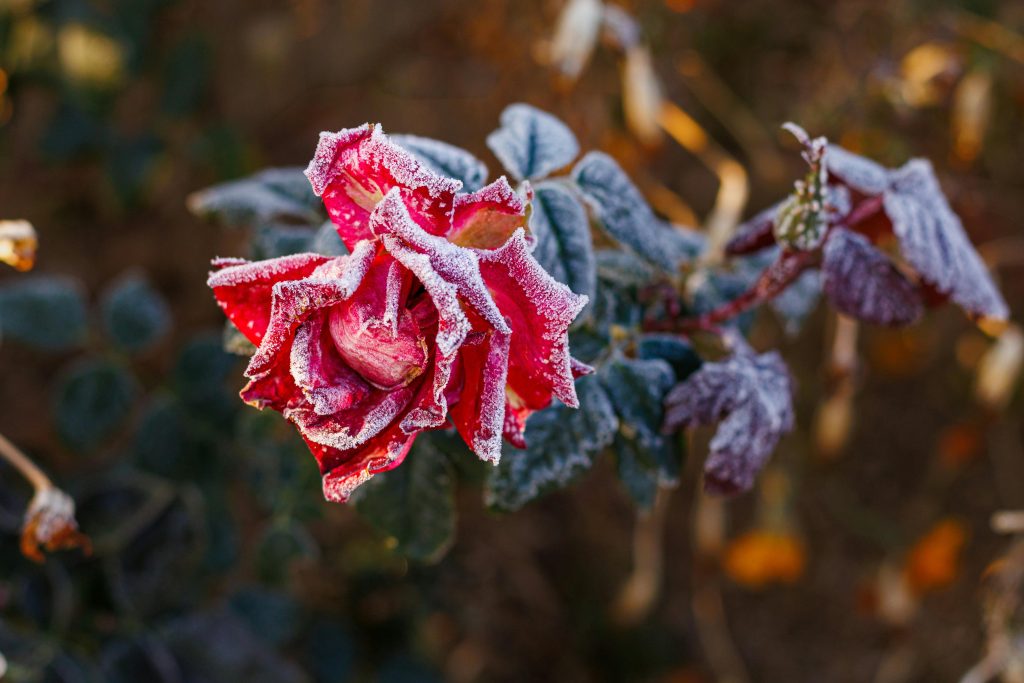
When the weather outside is cold and gray, nothing brightens a garden like winter-blooming flowers. Surprisingly, many flowering plants are at their best during the coldest months, bringing color and life when you need it most. Some, like snowdrops, will even push through a blanket of snow to greet you.
Why Plant Winter-Flowering Plants?
Winter flowers serve multiple purposes in your garden:
- Visual interest: They break up the monotony of bare branches and brown foliage
- Pollinator support: Many provide crucial nectar for bees and other pollinators on warm winter days
- Fragrance: Some winter bloomers, like wintersweet and daphne, have incredibly fragrant flowers
- Early spring color: Many winter flowers bridge the gap between winter and spring
Top Winter-Blooming Flowers for Your Garden
1. Snowdrops (Galanthus nivalis)
Zones: 3-9 | Bloom time: January-March
True to their name, these early-blooming bulbs often emerge while snow is still on the ground. Their delicate white bell-shaped flowers are a heartwarming sight for winter-weary gardeners. According to the Lincolnshire Wildlife Trust, snowdrops have specialized leaf tips hardened for breaking through frozen ground, and their sap contains a natural antifreeze.
2. Hellebores (Helleborus spp.)
Zones: 4-9 | Bloom time: December-March
Also known as Christmas rose or Lenten rose, these evergreen perennials bloom as early as December in mild climates. Their rose-like flowers come in shades of white, pink, purple, and even near-black. The Brooklyn Botanic Garden notes that hellebore blossoms persist on the plant for well over a month.
3. Winter Aconite (Eranthis hyemalis)
Zones: 3-7 | Bloom time: February-March
One of the earliest bulbs to bloom, winter aconite warms up the late winter landscape with cheery buttercup-like yellow flowers. These low-growing plants naturalize readily and will form a carpet of golden blooms over time.
4. Witch Hazel (Hamamelis spp.)
Zones: 4-8 | Bloom time: January-March
Witch hazels are invaluable shrubs for winter interest. Their spider-like flowers in yellow, orange, or red stand out prominently on bare branches and are often intensely fragrant. In fall, the foliage turns brilliant shades of red, orange, and yellow.
5. Winter Jasmine (Jasminum nudiflorum)
Zones: 6-10 | Bloom time: Late winter
Often mistaken for forsythia, winter jasmine blooms earlier and longer, with bright yellow flowers lasting up to 8 weeks. The slender green branches are attractive even when not in bloom, and it can be grown as a groundcover or trained to climb.
6. Camellia (Camellia japonica)
Zones: 7-10 | Bloom time: December-April
Sometimes called the “Rose of Winter,” this gorgeous evergreen shrub produces plush rose-like blooms in red, pink, or white. Plant a combination of early, mid, and late-blooming varieties for months of flowers.
7. Winter Heath (Erica carnea)
Zones: 5-7 | Bloom time: January-March
This low-growing evergreen shrub produces clusters of bell-shaped flowers throughout winter, sometimes blooming through snow-covered ground. The National Gardening Association notes that these hardy plants can flower from October through April.
8. Crocus (Crocus spp.)
Zones: 3-8 | Bloom time: Late winter-early spring
A harbinger of spring, crocuses let you know that warmer days are coming. Cold-defying snow crocuses appear first, followed by larger Dutch hybrids. All crocuses multiply readily in the garden.
Tips for Growing Winter Flowers
Plant at the Right Time: Most winter bloomers should be planted in fall, while the soil is still warm, so they can establish roots before cold weather arrives.
Choose the Right Location: Many winter bloomers prefer partial shade and sheltered spots. Morning sun is ideal as it dries dew quickly and reduces disease risk.
Provide Good Drainage: Winter-flowering plants often resent wet feet. Ensure your soil drains well, especially during the cold, wet months.
Mulch for Protection: A layer of mulch helps regulate soil temperature and retain moisture during winter temperature fluctuations.
Designing with Winter Flowers
For maximum impact, plant winter-blooming flowers where you can see them from indoors—near windows, along paths, or by entryways. Combine them with evergreen shrubs, ornamental grasses, and plants with colorful berries or interesting bark for a garden that shines even in the coldest months.
Conclusion
Don’t let your garden go dormant this winter! With careful plant selection, you can enjoy blooms from December through March. Snowdrops pushing through snow, fragrant witch hazel, and elegant hellebores prove that winter gardens can be just as enchanting as their spring and summer counterparts. Start planning now, and next winter you’ll have a garden full of cold-weather champions to brighten those gray days.