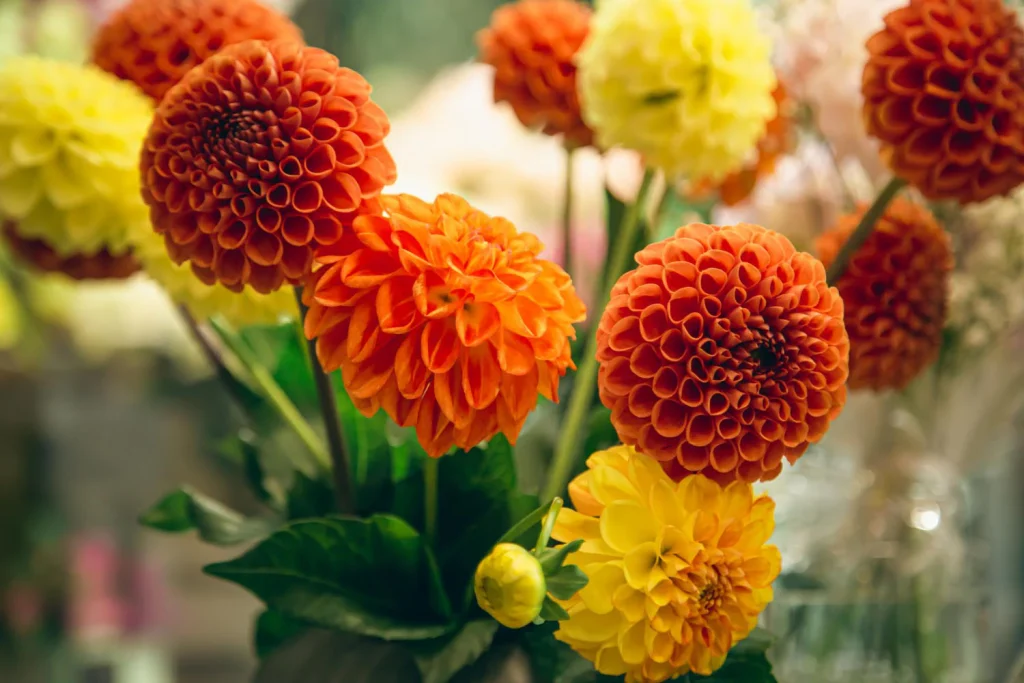
Marigolds are the garden’s version of a confetti cannon—cheap, cheerful, and explosively colorful. Whether you tuck them beside tomatoes to confuse aphids or mass them in a window box for instant curb appeal, these brassy little sun-worshippers rarely disappoint. Yet nothing bursts the bubble of a new gardener faster than waking up one July morning to find yesterday’s fire-orange mounds looking like overcooked lettuce. That’s why the seemingly simple question “How long do marigolds last?” deserves a proper, myth-busting answer. In the next few minutes we’ll untangle the difference between a plant’s calendar age and its actual bloom time, decode why your ZIP code can add (or shave off) weeks of flower power, and hand you the care playbook that turns a modest eight-week cameo into a four-month flower festival.
Understanding Marigold Lifespan Basics
First, the headline: marigolds are annuals, not perennials. They complete their entire life cycle—seed, shoot, flower, seed again—in one growing season, then politely exit stage left. You may spot a “volunteer” seedling next spring and swear the plant came back, but that’s a fresh generation, not a resurrected corpse.
Among the three heavy hitters you’ll see in seed racks, French marigolds (Tagetes patula) typically cruise through 10–12 weeks of bloom, African or American marigolds (Tagetes erecta) can stretch to 14–16 weeks if you keep them on a deadheading drip, and dainty Signet types (Tagetes tenuifolia) flower fast and furious for about 8–10 weeks before running out of steam. Triploid hybrids—those lab-raised overachievers—often outlast them all, sometimes still pumping out petals when the first pumpkin spice latte hits your hand.
“Last” can mean two very different things: how long an individual flower looks perky on the plant (five to fourteen days depending on heat) and how long the plant itself keeps producing new buds (the true “blooming period”). Mix those up and you’ll think your marigolds died early when really they’re just swapping costumes between acts.
Factors Influencing How Long Marigolds Live & Bloom
Think of a marigold as a tiny solar-powered factory. Sunlight is its electricity, soil its cafeteria, water its hydration station, and pests the rowdy protesters blocking the gates. Any outage shortens the factory’s operating hours.
Climate & Hardiness Zones: In USDA Zones 9–11 marigolds may survive winter, but they quickly turn into leggy shrubs with measly flowers—more zombie than zinger. Cool northern summers (Zones 3–5) extend bloom because petals don’t bake off in 100 °F heat.
Sunlight: Six hours is the non-negotiable minimum; eight is the sweet spot. Less light equals lankier stems and fewer buds—like trying to tan in a cave.
Soil: These flowers aren’t snobs, but they throw a fit in waterlogged clay. A loose, nutrient-lean mix with a pH around 6.0–7.0 keeps roots breathing and prevents the dreaded damping-off fungus.
Water: Marigolds prefer the “sip, don’t soak” approach. Keep the top inch of soil slightly moist, never swampy. Overwatering invites root rot faster than you can say “I forgot to check the forecast.”
Food: A balanced, slow-release fertilizer scratched in at planting plus a monthly half-strength bloom booster is plenty. Overfeed and you’ll grow a shrub that could audition for Little Shop of Horrors—all leaves, no flowers.
Pests & Diseases: Spider mites love hot, dry conditions; aphids treat new buds like an all-you-can-eat buffet. A quick blast of water or a spritz of insecticidal soap every couple of weeks keeps both in check.
Deadheading: Snipping spent blooms prevents the plant from slamming the brakes on flowering to set seed. It’s the horticultural equivalent of yelling, “Encore!”
Maximizing Marigold Longevity and Bloom Time
Plant at the right moment and you’ve already won half the battle. In cold regions start seeds indoors six weeks before the last frost; in steamy southern zones wait until nighttime temps reliably stay above 50 °F so flowers don’t stall.
Water early in the morning at soil level—wet leaves plus night heat equals a petal disco for fungal spores. Feed lightly; think espresso shot, not Big Gulp. Every five to seven days cruise your beds with a pair of scissors, nipping off browned heads just above the nearest set of leaves. If a freak frost looms, throw a lightweight row cover over the plants; marigolds can shrug off 32 °F for a night or two if kept dry. During brutal heatwaves a 30% shade cloth stretched over hoops can cut petal scorch and add an extra two weeks of bloom.
Lifespan Expectations: From Seed to Death
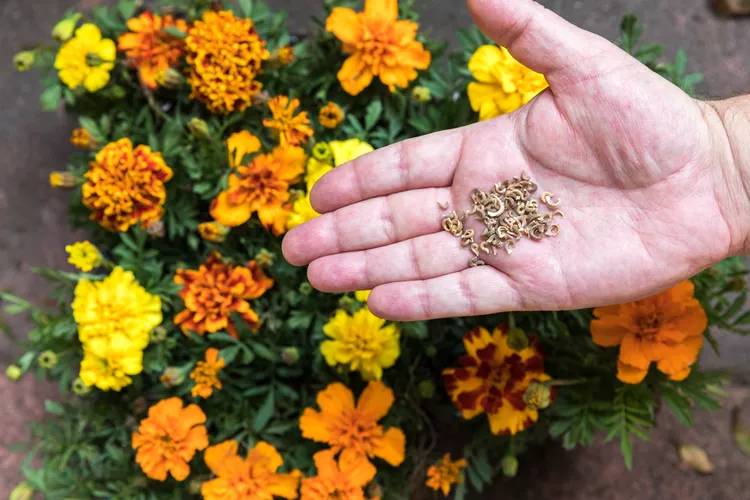
Under ideal conditions seeds germinate in 4–7 days, first true leaves appear by week two, and buds open five to eight weeks after sowing. Peak bloom usually kicks in around week nine and—if you deadhead religiously—continues until frost or until the plant exhausts itself, whichever comes first. Yellowing lower leaves, sparser flowering, and a shift from vibrant green to pale olive signal the beginning of the end. Come October a single hard frost turns the whole plant into a wet handful of tissue paper; in frost-free zones the show simply peters out as daylight dips below ten hours. Leave a few dried seed heads on the stems and you’ll often find free seedlings next April, though they rarely replicate the parent’s exact color.
Comparing Different Marigold Varieties’ Lifespans
French Marigolds: Compact 8–12-inch mounds that start blooming early and keep a steady, if not spectacular, pace. Expect 10–12 weeks of color, longer if you succession-plant every three weeks.
African/American Marigolds: The giants of the group, topping out at 3–4 feet with pom-poms the size of golf balls. They need a few extra weeks to hit stride but reward patience with 14–16 weeks of bloom and excellent heat tolerance.
Signet Marigolds: Lacy foliage and single, citrus-scented blooms. They flower fast—sometimes in as little as six weeks from seed—but fade sooner, especially if summer turns scorching.
Triploid Hybrids: Crosses between French and African types. Their secret superpower is sterility, so they never waste energy making seeds. Many gardeners report continuous flowers from June to October with almost no deadheading—lazy brilliance at its finest.
Frequently Asked Questions (FAQ)
Are marigolds perennials or annuals? Botanically annual; they die after one season. In tropical climates they may linger but turn straggly and bloom poorly.
Can marigolds survive winter? Only in USDA Zones 10–11 and even then they’re technically living on borrowed time. Frost-free doesn’t mean thriving.
How long does a single bloom last? Five to fourteen days on the plant; up to a week in a vase if you sear the stem ends in boiling water for 20 seconds.
Why are my marigolds dying so quickly? Usually a trifecta of overwatering, too little sun, or spider-mite sabotage. Check soil moisture first—finger test beats guesswork.
What is the longest-blooming variety? Triploid hybrids like ‘Safari’ or ‘Moonstruck’ series often flower nonstop for four months.
Do marigolds self-seed? Yes, but expect a mixed bag of colors and shorter plants. Collect and label dry heads if you want consistency.
References and Further Reading
For deeper dives, consult the University of Minnesota Extension’s marigold grow guide, the Royal Horticultural Society’s variety database, or the Missouri Botanical Garden Plant Finder for species specifics. Reliable seed houses such as Johnny’s Selected Seeds and Burpee offer detailed days-to-bloom charts that help you plan succession sowings down to the week.
Conclusion
Marigolds may only have a one-season contract, but with the right stage directions—full sun, well-drained soil, judicious sips of water, and a merciless deadheading routine—they’ll keep the color cranked from late spring until frost pulls the curtain. Treat them less like disposable annuals and more like marathon runners in need of steady hydration and the occasional protein bar, and they’ll reward you with a four-month floral fiesta. Plant a few seeds this weekend, and by the time you’re hauling out the holiday decorations you’ll still have a last blast of garden fireworks—no confetti cannon required.