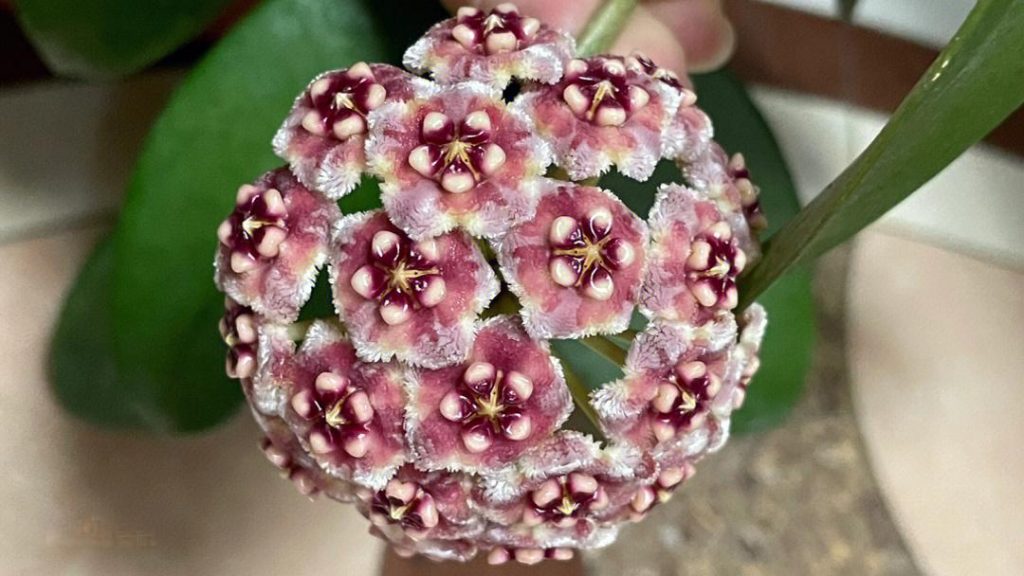
Scroll through Instagram on any given summer morning and you’ll probably spot them: those porcelain-looking, candy-star flowers dangling like minimalist earrings against a backdrop of glossy green leaves. Meet the Hoya—nicknamed Wax Plant because its petals look like they’ve been dipped in beeswax and polished by a perfectionist bee. The number-one DM I get after posting a photo is, “Okay, but when do Hoyas bloom, and why won’t mine cooperate?”
Here’s the short answer: Hoyas bloom when they darn well feel like it—provided they’re old enough, bright enough, and just-stressed-enough to think, “I’d better make flowers before life gets worse.” The longer, far more useful answer is what this guide is about. We’ll unpack Hoya flowering seasons, decode the cryptic care cues these tropical trailers crave, and arm you with tricks even your neighborhood plant-swap group hasn’t heard yet. If you’ve ever dreamed of turning your living-room jungle into a fragrant constellation of wax stars, keep reading.
Understanding Hoya Flowering Seasons
Most Hoyas are hard-wired for a classic “warm-spring-into-summer” show. In the Northern Hemisphere, buds typically appear between April and July, with flowers opening from late May through September. Think of it as the plant-world equivalent of blockbuster season—big, fragrant premieres while the sun is high and the patio margaritas are flowing.
But not every Hoya read the same memo. Hoya carnosa ‘Krimson Queen’ is the reliable blockbuster; Hoya linearis prefers a late-summer indie release; Hoya multiflora (the “Shooting Star”) can flower randomly whenever it senses a humidity spike, like an artist dropping a surprise album at 2 a.m.
Geography tweaks the calendar, too. A windowsill in Oslo receives gentler spring light than a sun-baked balcony in Phoenix, so Norwegian Hoyas often lag two to four weeks behind their Arizonan cousins. Indoor growers running climate-controlled condos basically live in their own micro-planet: if your thermostat never dips below 68 °F (20 °C), you might see off-season blooms around Thanksgiving—perfect for dazzling holiday guests.
Finally, brace yourself for the distinction between peak blooming and occasional spot flowers. Peak season means multiple peduncles (those cute little nubbins that look like baby antennae) erupt at once, dripping nectar and perfume. Occasional blooms are the solo cameo—one lonely star because the plant felt sporting after you finally installed that LED grow strip.
Key Factors Influencing Hoya Blooming
Plant Maturity – Hoyas are the plant kingdom’s version of late bloomers. Most species need stems that are two to three years old AND at least six feet (2 m) in total vine length before they’ll divert energy into flowers. If your cutting is still rocking a single 4-inch tendril, enjoy the foliage and practice patience.
Light Exposure – Imagine trying to get a tan in a basement. Hoyas want bright, indirect light the way influencers want good Wi-Fi. Aim for 1,500–3,000 foot-candles for roughly 12–14 hours a day. East or south-facing windows draped with a sheer curtain are gold; anything less and you’re running a green, leafy, bloom-free orphanage.
Temperature & Dormancy – These vines evolved in monsoonal Asia, where winters are cooler and drier. Dropping night temps to 60–65 °F (15–18 °C) from November to February tells the plant, “Hey, dry season is here—time to think about reproduction.” Skip this step and you’ll get eternal vegetative adolescence.
Watering Rhythm – Hoyas like a sip-then-soak cycle. Let the top third of the pot dry before re-watering; during bud initiation, a slight dry rest (think of it as plant keto) can nudge flowering hormones. Overwatering drowns roots and washes out the floral playbook.
Fertilizer Timing – Flowers are expensive. Provide a balanced liquid feed at half-strength through spring, then switch to a high-phosphorus bloom booster (e.g., 5-10-5) once you spot peduncles. Stop fertilizing entirely in winter so the plant can binge Netflix instead of making flowers.
Essential Care for Flowering Hoyas
Optimal Light for Bud Formation – If your Hoya’s new leaves are smaller than the previous ones, that’s the botanical equivalent of cupping hands and whispering, “More light, please.” Supplement with a 6,500 K LED bar placed 12 inches above foliage for 12 hours daily—your electric bill will forgive you.
Watering During Blooming Season – Once buds appear, keep the soil slightly more consistent—like a damp sponge, not a swamp. Sudden drought can trigger “bud blast,” the heart-breaking moment when nascent flowers yellow and pop off.
Fertilizer for Flower Support – Swap to a water-soluble feed where the middle number (phosphorus) is at least double the first. Apply every two weeks at quarter-strength; think espresso shot, not venti latte.
Soil Mix – Hoya roots crave oxygen. A chunky blend of orchid bark, perlite, charcoal, and 20 % quality potting mix drains fast and prevents sour, anaerobic conditions that scream, “No blooms for you!”
Pot Size & Root Bound Status – Contrary to the “bigger pot, bigger plant” myth, Hoyas bloom best when their roots feel the botanical equivalent of skinny jeans. Repot only when water races straight through and the vine wilts within hours—usually every 2–3 years, one size up.
Humidity Sweet Spot – 50–70 % relative humidity keeps flowers from crisping like overbaked croissants. Group plants together, set pots on pebble trays, or run a small ultrasonic humidifier—just avoid misting buds directly; water spots can mar those wax petals.
Encouraging Your Hoya to Bloom
Brighter is Better – Once danger of leaf scorch is past, give your Hoya two hours of gentle morning sun. The increased photosynthesis is like a bigger paycheck—extra cash to splurge on flowers.
Mimic the Dry Season – From late October to February, cut watering frequency in half and skip fertilizer. Think of it as plant hygge: cool nights, drier soil, maybe a Nordic noir soundtrack.
Bloom-Boosting Fertilizers – Look for a 5-30-5 or similar ratio. High phosphorus encourages ethylene production, the same gas bananas emit when ripening—botanically speaking, it’s an aphrodisiac.
Protect Peduncles – Those knobby little spurs are perennial. Never pick them off, even post-bloom; the plant re-uses the same site like a favorite café. Accidentally knock one off and you’ve lost a future bouquet.
Overall Vigor – Pests like spider mites are energy vampires. Inspect weekly, wipe leaves with a damp microfiber, and treat infestations promptly with insecticidal soap. A healthy Hoya is a flirty Hoya.
Caring for Blooms & Post-Bloom Care
Individual Hoya flowers last 5–14 days depending on species and room temperature. The entire cluster can linger for three weeks, dripping sticky, sweet nectar that smells like chocolate, jasmine, or, in Hoya kerrii’s case, a bizarre blend of honey and antiseptic—oddly addictive.
Resist the urge to deadhead. When the final petal wilts, simply snap off the spent corolla, leaving the peduncle intact. Think of it as removing a coffee cup but keeping the saucer for refills.
While flowering, keep the plant stable. No repotting, no drastic moves, no rotating the pot 180 ° for Instagram symmetry—buds hate change like cats hate vacuum cleaners.
After the show ends, trim only yellowing leaves, resume normal watering, and give the vine a month of plain water to flush excess salts before you return to fertilizer.
Troubleshooting Lack of Blooms
Top Culprits – Immaturity, insufficient light, overwatering, or eternal summer (no cool rest). Run through the checklist like a pilot before takeoff: roots firm? Check. New growth fuzzy and green? Check. Windowsill bright enough to read a novel without switching on a lamp? If not, fix that first.
Quick Light Audit – Hold your hand 6 inches above the plant at noon; a faint shadow means “meh,” a crisp, well-defined shadow means “let the bud party begin.”
Watering Audit – If soil still feels like a damp brownie three inches down after five days, you’re drowning roots. Add more bark, repot if necessary, and remember: Hoyas prefer the slight-neglect side of life.
Fertilizer Audit – Yellow leaves with green veins signal magnesium deficiency; sprinkle a pinch of Epsom salt per gallon of water. If leaves are uniformly pale, nitrogen is low; a balanced feed will green them up within two weeks.
Patience – Even with perfect care, some specimens sulk for a year. Keep the routine steady, document progress with photos, and celebrate every new peduncle like it’s a tiny green Oscars statue.
Frequently Asked Questions (FAQ)
What is the most common reason a Hoya won’t bloom? – Inadequate light. Everything else is secondary until you nail the brightness factor.
Do all Hoyas bloom? – Technically yes, but some species flower if you merely sneeze in their direction (Hoya bella), while others (Hoya imbricata) need conservatory conditions and a small prayer.
Should I repot to trigger blooms? – Only if the pot is cracked or roots are circling like sharks. Otherwise, keep it snug.
Why are buds turning yellow and falling? – Sudden temperature swings, dry air drafts, or over-enthusiastic watering. Consistency is key.
Do the flowers smell? – Many do, especially at night, to attract moths. Scent ranges from sweet vanilla to “wet dog,” depending on species—sniff before you invest if perfume matters.
Additional Resources & Expert Tips
Beginner-Friendly Bloomers – Start with Hoya carnosa ‘Krinkle 8’, Hoya pubicalyx ‘Splash’, or Hoya lacunosa—all forgiving, fragrant, and quick to peduncle.
Identifying Peduncles – They look like tiny grey antennae with a bumpy texture. Snap a phone pic once one appears; future buds will emerge from the same spot, so you’ll know where to zoom in next time.
Mild Stress as Motivation – A week-long dry spell (just shy of wilting) followed by a deep soak can jolt a stubborn vine into reproductive mode. Think of it as a boot camp, not a torture session.
References & Further Reading
Data on phosphorus and flowering hormones is summarized from the Royal Horticultural Society’s plant nutrition sheets. Light intensity guidelines reference the University of Minnesota Extension’s indoor lighting bulletin. For species-specific bloom calendars, the International Hoya Association maintains peer-checked charts. Dive deeper with “The Hoya Handbook” by Christine Burton (2019) or browse the r/hoya subreddit for crowdsourced peduncle pics and moral support.
Conclusion
Hoyas won’t audition for the floral Met Gala until they’ve checked off a short but non-negotiable list: mature vines, spotlight-level brightness, a cool winter breather, and soil that drains faster than a New York minute. Give them that, sprinkle in some high-phosphorus fertilizer, and guard those peduncles like family heirlooms. The payoff? Clusters of star-shaped blooms that smell like dessert and last long enough to brag about. Treat your Wax Plant like the diva it secretly is, and one day—probably when you’ve finally stopped obsessively checking for buds—it will reward you with a chandelier of flowers worth every second of the wait.