Introduction to Gladiolus Flowers
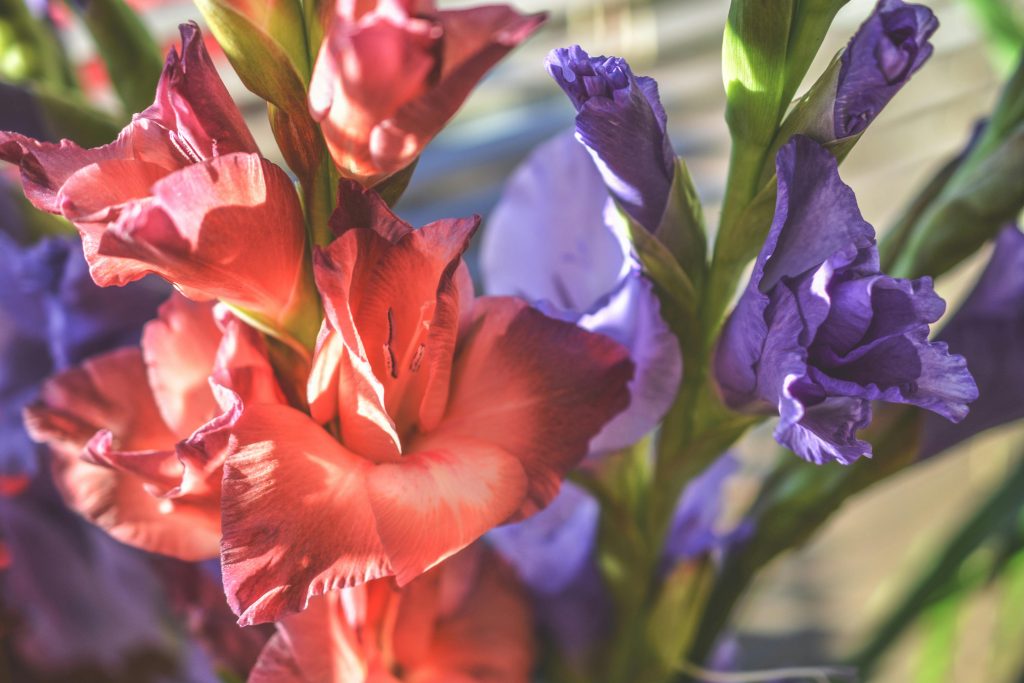
Gladioli are the floral equivalent of a summer blockbuster: tall, dramatic, and impossible to ignore. Often called “glads,” these stately spikes can rocket from bare soil to shoulder height in a single season, unfurling a parade of ruffled blossoms that look like they were hand-painted by a Flemish master. Whether you want a cutting garden that supplies Instagram-worthy bouquets or a border that stops sidewalk traffic, learning how to grow gorgeous gladiolus flowers is one of the quickest ways to earn bragging rights among the neighborhood plant nerds.
Before you stick a single corm in the ground, it helps to know what you’re actually planting. A gladiolus “bulb” is technically a corm—a squat, brown tuber that looks like a miniature onion wearing a coconut-fiber sweater. Each corm already contains the embryonic flower spike for the coming season; after bloom, the mother corm shrivels while baby corms (cormels) form around the base. Think of it as a botanical relay race: the old corm passes the baton to the youngsters, ensuring next year’s encore performance.
Choosing the Right Gladiolus Varieties for Your Garden
Flip through any online catalog and you’ll swear glads come in every color except true blue. Heights range from pocket-sized “nanus” types (perfect for windy balconies) to towering 5-foot giants that demand front-row attention. Bloom times stretch from late spring to frost if you stagger early-, mid-, and late-season cultivars. And while most glads are hardy only to USDA Zone 8, hardy gladiolus (Gladiolus communis subsp. byzantinus) shrugs off Zone 6 winters with a straw blanket.
Fan favorites for jaw-dropping color include ‘Espresso’ (deep maroon so dark it reads black in photos), ‘Green Star’ (electric lime that pairs shockingly well with purple basil), and ‘Priscilla’ (white petals edged in raspberry—basically the garden’s answer to Neapolitan ice cream). If you’re after cutting-garden perfection, look for varieties labeled “long-lasting” or “ruffled”; their thicker petals survive the voyage from stem to vase without bruising.
Preparing for Planting: Site and Soil Setup
Glads are sun worshippers on par with beachgoers in Malibu. Six hours of direct light is the bare minimum; eight or more delivers the beefiest spikes. Shelter matters too: a spot that’s protected from howling winds prevents the floral equivalent of a bad hair day. If your only sunny real estate is an exposed balcony, plant shorter varieties or be ready to stake early.
Soil should drain faster than a post-rain NYC sidewalk. Soggy corms rot quicker than forgotten avocados. Work a 2-inch layer of compost into the top 8 inches of soil to boost organic matter, then test pH. Glads prefer slightly acidic to neutral (6.0–7.0). If your soil hovers closer to blueberry territory (pH 5.0), dust in a cup of garden lime per 10 square feet. Heavy clay? Build a raised berm or plant in grow bags—your future self will thank you when harvest time doesn’t involve jackhammering the earth.
Planting Gladiolus Corms: Step-by-Step Instructions
Timing is everything if you want a parade of blooms rather than a one-night stand. In USDA Zones 7 and warmer, start planting in mid-March once soil hits 55 °F. Northern gardeners should wait until two weeks before the last frost date, then succession-plant every two weeks through June for non-stop color until October.
Plant corms 4 inches deep (measured from the top of the corm) and 6 inches apart, pointy side up—like placing Hershey’s Kisses upside down in a tray. If your soil is sandy, go 5 inches deep; in heavy loam, 3–4 suffices. Cover gently; air pockets can desiccate roots. Pro tip: drop a tablespoon of low-nitrogen bulb fertilizer in each hole, but don’t let the corm touch it directly—think of it as offering dessert on a separate plate.
Watering Requirements for Healthy Growth
Glads dislike extremes more than Goldilocks. Aim for consistently moist (not waterlogged) soil the first six weeks while roots establish. A deep soak once a week—about 1 inch of rainfall or irrigation—usually suffices. Once flower spikes appear, bump frequency to twice weekly during heatwaves. Drip irrigation or soaker hoses keep foliage dry and discourage fungal drama.
Overwatering symptoms mimic Monday-morning exhaustion: yellow lower leaves, mushy corms, and a suspicious swampy smell. Underwatering, on the other hand, delivers crispy leaf tips and flower buds that stall like a Zoom call on bad Wi-Fi. Stick a finger 2 inches into soil; if it’s dry and crumbly, water. If it’s muddy, back away slowly.
Fertilizing and Nutrient Management
Glads are the Olympic sprinters of the flower world—they need fuel, not filler. Choose a fertilizer with a higher middle number (phosphorus) to promote blooms; something like 5-10-10 or 4-12-12 works beautifully. At planting, scratch in the first dose according to package directions. When spikes reach 10 inches tall, side-dress with a half-strength liquid feed. A final hit as the first floret opens will intensify petal color like a Valencia Instagram filter.
Skip high-nitrogen lawn foods unless you enjoy towering spikes with all the flowering prowess of a celery stalk. Organic enthusiasts can substitute balanced fish emulsion, but be warned: raccoons may stage a midnight excavation party. If Bambi and Thumper are regulars, bury fish-based fertilizers 3 inches deeper than usual to mask the aroma.
Sunlight, Temperature, and Environmental Needs
Full sun equals maximum photosynthesis, which translates to sturdier stems and richer pigments. In the Deep South, afternoon shade during 100 °F+ heat can actually extend bloom life—think of it as offering the floral equivalent of a cocktail umbrella. Conversely, in foggy coastal zones, reflective mulch (like a light-colored landscape fabric) bounces extra light onto plants.
Glads thrive in daytime temps between 70–85 °F and nights no colder than 55 °F. Sudden late frosts can turn emerging spikes into sad green popsicles. If a cold snap threatens after planting, cover rows with frost cloth or upend cardboard boxes overnight—your neighbors will assume you’re protecting alien seedlings, but your glads will survive.
Supporting and Staking Gladiolus Plants
Nothing ruins a garden photo like a 4-foot glad spike doing the limbo after a thunderstorm. Stake at planting time to avoid skewering roots later. Bamboo canes or lightweight steel rods work; place one every third corm and run garden twine in a figure-eight pattern as stems elongate. For a stealthier look, use green-coated stakes that vanish against foliage.
Alternatively, corral the entire bed with a low mesh grid—think tomato cage, but chic. Weave stems through the grid while they’re still young and flexible; mature spikes will stand at attention like well-trained soldiers. Harvest bonus: cutting becomes a one-handed operation when stems aren’t flopping into the neighbor’s rose bush.
Pest and Disease Control Strategies
Thrips are the vampires of the glad world—microscopic, sap-sucking insects that leave silver streaks on petals. Blast plants with a sharp jet of water in the morning, then release predatory mites or spray spinosad if populations explode. For organic purists, neem oil every 7–10 days during bud formation keeps populations below economic damage.
Corm rot (Fusarium) shows up as chocolate-brown lesions and a sour smell. Prevention beats cure: rotate beds yearly, discard infected corms, and dip healthy ones in a 10% bleach solution before storage. Botrytis blight, a fuzzy gray mold, loves humid summers. Increase airflow by spacing adequately and watering at soil level. If spotted, remove affected leaves immediately—think of it as social distancing for plants.
Pruning and Deadheading for Continuous Blooms
Deadheading isn’t just cosmetic; it channels energy back into the corm for next year’s show. Snip spent flower spikes at the lowest floret, leaving foliage intact to photosynthesize. Resist the urge to hack everything to the ground—glads need those green swords to recharge the battery.
Once all florets on a spike have finished, cut the stem at soil level rather than yanking it like a rogue weed. Tugging can dislodge baby corms. Compost the hollow stems or repurpose them as eco-friendly drinking straws for garden cocktails (just kidding—unless you’re into rustic Pinterest projects).
Harvesting and Using Gladiolus Flowers
Harvest when the lowest two florets show color but haven’t fully opened—this timing gives you a 10-day vase life instead of a three-day wilt-a-thon. Cut early in the morning when plants are turgid, and plunge stems immediately into lukewarm water laced with floral preservative.
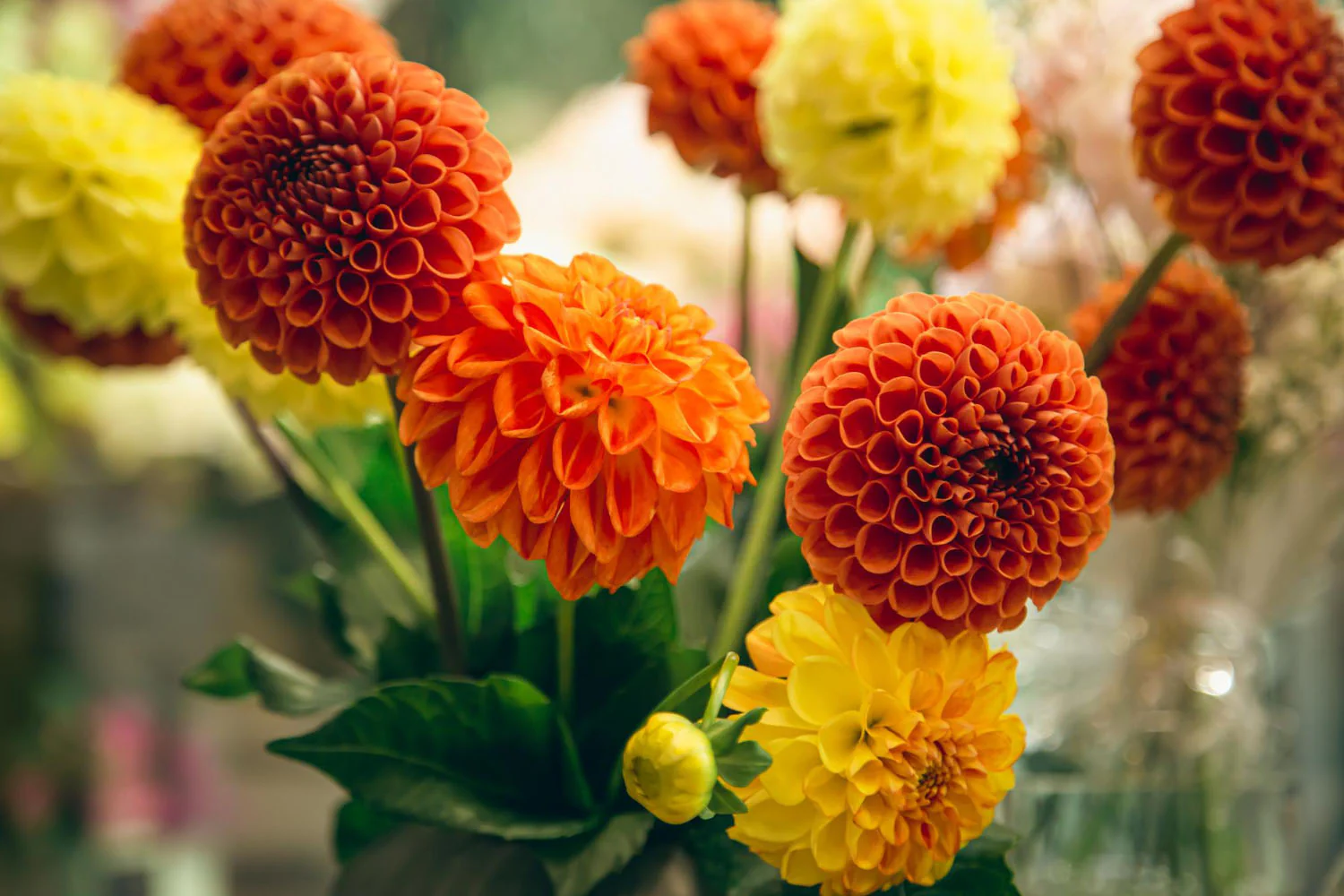
Strip lower leaves so none sit below the waterline; decaying foliage breeds bacteria faster than a college dorm fridge. To arrange, crisscross stems in a tall cylinder vase—glads are natural line flowers that add architectural height. Pair with rounded blooms like dahlias or zinnias for a balanced bouquet worthy of Better Homes & Gardens cover fame.
Overwintering and Storing Corms
Wait for the first light frost to blacken foliage, then dig carefully with a garden fork—think archaeological expedition, not pirate treasure hunt. Shake off soil, cut stems to 1 inch, and cure corms for three weeks in a warm, airy spot (70–80 °F). After curing, twist off old corms (they’ll look like deflated balloons) and discard.
Store in mesh onion bags or ventilated plastic crates layered with slightly damp peat moss. Ideal temp: 35–45 °F—an unheated basement or insulated garage works. Check monthly; if any feel soft or smell funky, evict them before they turn the whole lot into a fungal frat party.
Troubleshooting Common Problems
No flowers? Usually three culprits: too little sun, overcrowding, or nitrogen overdose. Relocate to a brighter spot, divide corms every three years, and swear off high-nitrogen fertilizers. Yellow leaves can signal overwatering or thrips—inspect undersides for tiny black dots (frass) and treat accordingly.
Stunted growth often traces back to planting too shallow or a late frost that nipped emerging spikes. Mark your calendar for next season and plant deeper or start corms indoors in biodegradable pots. Remember: glads are drama queens, but they always leave a forwarding address for their grievances.
Pro Tips for Achieving Gorgeous, Vibrant Blooms
For color that pops on camera, interplant white or silver companions like ‘Diamond Frost’ euphorbia; the neutral backdrop makes glad hues appear hyper-saturated. Add a teaspoon of Epsom salt (magnesium sulfate) per gallon of water during bud set—magnesium is the botanical equivalent of a double espresso for chlorophyll production.
Want exhibition-quality spikes? Disbud side florets on a few chosen stems, channeling all energy into one massive central bloom. It’s the horticultural version of a single-origin pour-over: fewer outputs, but unforgettable intensity.
Seasonal Care Calendar for Gladiolus
March–April: Soil test, amend beds, plant first batch of corms.
May: Side-dress with fertilizer, install stakes, begin weekly pest patrol.
June: Succession planting, deep water twice weekly if rainfall is scarce.
July: Harvest for bouquets, deadhead regularly, watch for thrips.
August: Last planting window for frost-free areas, lift early varieties for storage trials.
September: Reduce watering on remaining plants to harden off corms.
October: Dig, cure, and store corms; compost spent foliage.
November–February: Order new varieties, dream in seed catalogs, rotate beds for next year.
Frequently Asked Questions (FAQ)
How deep should I plant gladiolus corms?
Four inches from the top of the corm to soil level—deeper in sandy soil, shallower in clay.
Can I leave gladiolus corms in the ground over winter?
Only in USDA Zones 8 and warmer with well-drained soil. Everyone else should lift and store.
Why are my gladiolus falling over?
Either they’re tall varieties that weren’t staked, or they’re reaching for light in too-shady conditions.
How long do gladiolus take to bloom after planting?
Roughly 70–90 days depending on variety and temperature—early types sprint, late-season ones linger.
What should I plant with gladiolus?
Try cosmos, zinnias, or dwarf sunflowers for a cutting-garden trifecta; their contrasting forms hide glad leaves, which can look tatty post-bloom.
Resources and Further Reading
Deepen your glad addiction with the North American Gladiolus Council, a treasure trove of culture guides and cultivar databases. For science-backed bulb wisdom, University of Minnesota Extension offers free, peer-reviewed articles on storage diseases and pest ID. Finally, grab a copy of The Bulb Expert by Dr. D.G. Hessayon—its no-nonsense diagrams have saved more corms than duct tape at a campsite.