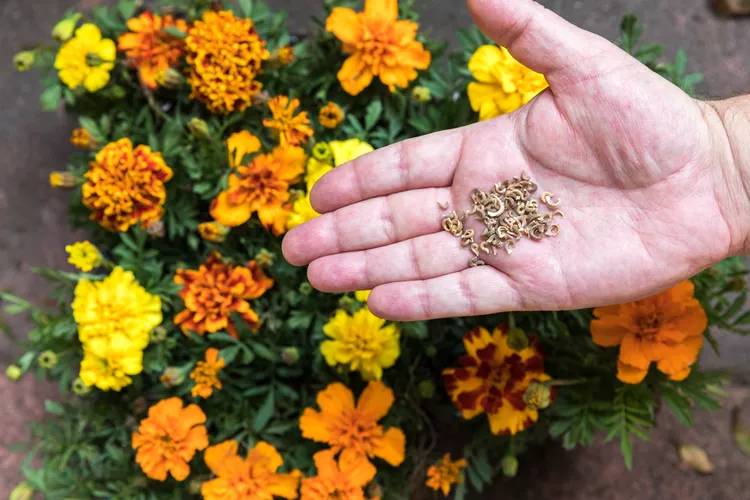
Marigolds are the garden’s equivalent of that friend who shows up early, brings snacks, and still manages to look fabulous. They’re bright, pest-resistant, and—best of all—easy to grow from seed. But before you can enjoy their sunset-colored blooms, you have to answer the big question: how long do marigold seeds take to germinate? Grab your favorite mug of coffee (or tea, no judgment), because this complete guide to speedy and successful growth will walk you through every sneaky trick and science-backed tip to get those seeds popping in record time.
Expected Germination Timeline for Marigold Seeds
Under normal conditions, marigold seeds germinate somewhere between 4 and 14 days. Think of it as the difference between Amazon Prime and standard shipping—both arrive, but one makes you happier. If your indoor setup hovers around 70 °F (21 °C) and you keep the soil consistently moist (not swampy), you’ll likely see tiny green flags waving by day five. Cooler temps or erratic watering can stretch the window to two weeks or more.
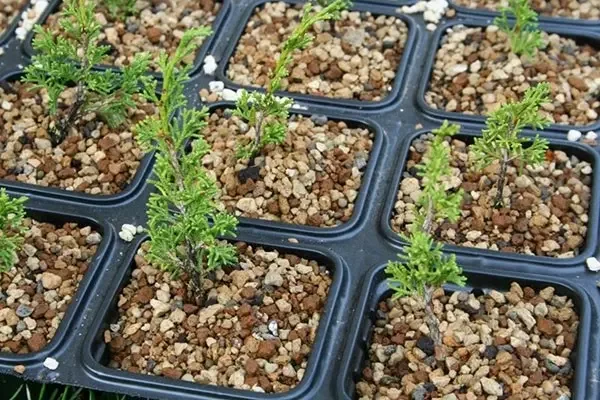
So what does germination actually look like? First, you’ll notice a pale loop pushing up—that’s the stem (hypocotyl, if you want to impress friends). Within 24 hours the loop straightens and two baby leaves (cotyledons) unfold like opening airplane tray tables. Once those leaves appear, photosynthesis kicks in and the race to true foliage is on.
Key Factors Influencing Germination Speed & Success
Optimal Soil Temperature Range (The #1 Factor)
Seeds are tiny thermometers. The sweet spot for marigolds is 70–75 °F (21–24 °C). Drop to 60 °F and you add roughly one day for every degree cooler, according to University of Minnesota Extension. A $15 seedling heat mat pays for itself in saved time.
Ideal Soil Type & Moisture Management
Use a light, peat-free seed-starting mix. Picture chocolate-cake crumb: fluffy, not clumpy. Water from the bottom so the top stays moist but never glossy. Soggy seeds invite the dreaded damping-off fungus—think of it as the gray mold of doom.
Light Requirements for Germination
Marigold seeds don’t need total darkness, but they also don’t need sunlight until they sprout. After sprouting, however, they’re sun worshippers. Give them 12–16 hours of light daily; a simple LED shop light hung 4 inches above trays works wonders.
The Importance of Seed Quality & Freshness
Seeds older than two years lose roughly 15 % viability per year, notes the Royal Horticultural Society. Buy from reputable suppliers (Johnny’s, Burpee, or local seed swaps) and do a quick “float test”: drop seeds in water; discard floaters, plant sinkers.
Correct Planting Depth for Marigold Seeds
Rule of thumb: plant at a depth twice the seed’s diameter. For marigolds, that’s a scant ¼ inch (6 mm). Any deeper and they run out of energy before they see daylight—like trying to sprint a marathon with no breakfast.
Pro Techniques to Accelerate Germination
Pre-Soaking Seeds: A Simple Speed Boost
Soak seeds in lukewarm water for 4–6 hours before planting. This jump-starts imbibition—basically chugging the first glass of water after a long flight. You can shave 24–36 hours off the timeline.
Using a Seedling Heat Mat for Consistent Warmth
Place trays on a mat set to 75 °F. Pair it with a thermostat probe to avoid “cooked seed” syndrome. You’ll get near-perfect 5-day germination, which feels like hitting every green light on your commute.
Creating a Mini Greenhouse with Domes or Covers
Humidity domes trap moisture and warmth. Crack the vents once 50 % of seeds sprout to prevent mold. No dome? Plastic wrap and chopsticks work as a DIY tent—MacGyver would approve.
Strategic Timing: Starting Indoors vs. Direct Sowing
Indoor starts give you a 4–6 week head start. Transplant after last frost when soil hits 60 °F. Direct sowing works too, but wait until daytime temps consistently top 70 °F; otherwise seeds sit idle like teenagers avoiding chores.
Choosing Known Fast-Germinating Marigold Varieties
‘Petite Gold’ and ‘Safari Tangerine’ often sprout in 3–4 days under ideal conditions. Heirloom French types can be a tad slower but reward you with gourmet scent—think of it as the slow-food movement of flowers.
Troubleshooting Slow or Failed Germination
Common Reasons Why Marigold Seeds Don’t Sprout
Old seeds, planting too deep, cold soil, or letting the soil dry out even once—any of these can slam the brakes. Overwatering is equally guilty; seeds need oxygen too, not just a swimming lesson.
How Long to Wait Before Assuming Failure
Give it 21 days max. After that, perform archaeological dig #1: gently unearth a seed. If it’s mushy or hollow, compost the tray and start fresh. If it’s plump and firm, re-cover and wait another week—sometimes they’re just fashionably late.
Rescue Steps for Slow Germination
Move trays to the warmest spot in the house (on top of the fridge or near the router—electronics radiate heat). Switch to bottom watering with lukewarm water. Add a light dusting of vermiculite to retain moisture without suffocating seeds.
Post-Germination Care for Strong, Healthy Seedlings
Critical Light Requirements After Sprouting
Seedlings stretch like taffy if light is weak. Keep LEDs 3–4 inches away and raise the fixture as they grow. Rotate trays daily to prevent the “Leaning Tower of Marigold.”
Watering Seedlings Correctly
Water when the top ½ inch of mix feels dry—about as often as you remember to charge your phone. Use room-temperature water to avoid shocking roots.
Thinning Seedlings for Optimal Growth
Snip—don’t pull—extras at soil level when the first true leaves appear. Aim for one seedling every 3 inches. Think of it as giving each plant its own yoga mat.
Hardening Off: Preparing Seedlings for the Outdoors
Over 7–10 days, move trays outside for increasing periods: 1 hour in shade, then 2 hours in morning sun, until they’re sunbathing 8 hours straight. Skip this step and you’ll witness botanical sunburn—crispy, pale, very sad.
When and How to Transplant Seedlings
Transplant when soil is 60 °F and seedlings have 2–3 sets of true leaves. Water the tray an hour before transplanting to keep the root ball intact. Space African marigolds 12 inches apart; French types 8 inches. Firm soil gently—like tucking in a toddler.
Frequently Asked Questions (FAQ)
Can I germinate marigold seeds in paper towels?
Yes. Moisten a towel, place seeds, fold, slip into a zip-top bag, and park it on a warm counter. Check daily; plant sprouts immediately after the root tip emerges—about 2–3 days. Handle with tweezers to avoid breaking the “tail.”
Do marigold seeds need light or darkness to germinate?
They’re neutral. Once sprouted, though, light becomes non-negotiable—like coffee on Monday mornings.
Why are my marigold seedlings leggy and tall?
Insufficient light or temps above 75 °F. Lower the light source and add a small fan for gentle airflow; it simulates outdoor breezes and strengthens stems.
What is the best month to plant marigold seeds?
Indoors: 6–8 weeks before your last frost date. Outdoors: when soil is reliably 60 °F—often May in USDA zones 5–7, April in zones 8–9.
How often should I water newly planted marigold seeds?
Once daily in warm weather, every other day if temps are below 70 °F. Bottom-water until the surface darkens; that’s your cue the soil is moist through and through.
Conclusion
So, how long do marigold seeds take to germinate? Anywhere from 4 to 14 days, but with warm soil, fresh seeds, and the hacks above you’ll be cheering on seedlings by the end of the workweek. Marigolds repay the favor with months of pest-deterring, pollinator-feeding, eye-popping color. Plant, pamper briefly, then step back and watch your garden turn into a sunset you can walk through.
References & Further Reading
University of Minnesota Extension – Growing Marigolds
Royal Horticultural Society – Marigold Cultivation Notes
NC State Extension – Marigold Production Guide
Reputable seed suppliers: Johnny’s Selected Seeds, Burpee, and local seed swaps via Seed Savers Exchange.