Ever driven past a highway median in southern California or the Mediterranean coast and wondered how those neon-pink shrubs keep blooming in 100-degree heat, zero irrigation, and exhaust fumes thick enough to make a Prius cough? That, my friend, is oleander—Nerium oleander, the James Bond of the plant world: drop-dead gorgeous, alarmingly lethal, and improbably indestructible. The goal of this guide is to show you how to grow and care for oleander plants successfully without, you know, accidentally writing yourself out of your own will. We’ll cover everything from picking the right cultivar to pruning like a pro, all while keeping your pets, kids, and pruning shears safe from the plant’s hidden toxins. Ready to flirt with danger—responsibly? Let’s dig in.
Understanding Oleander Basics & Choosing the Right Plant
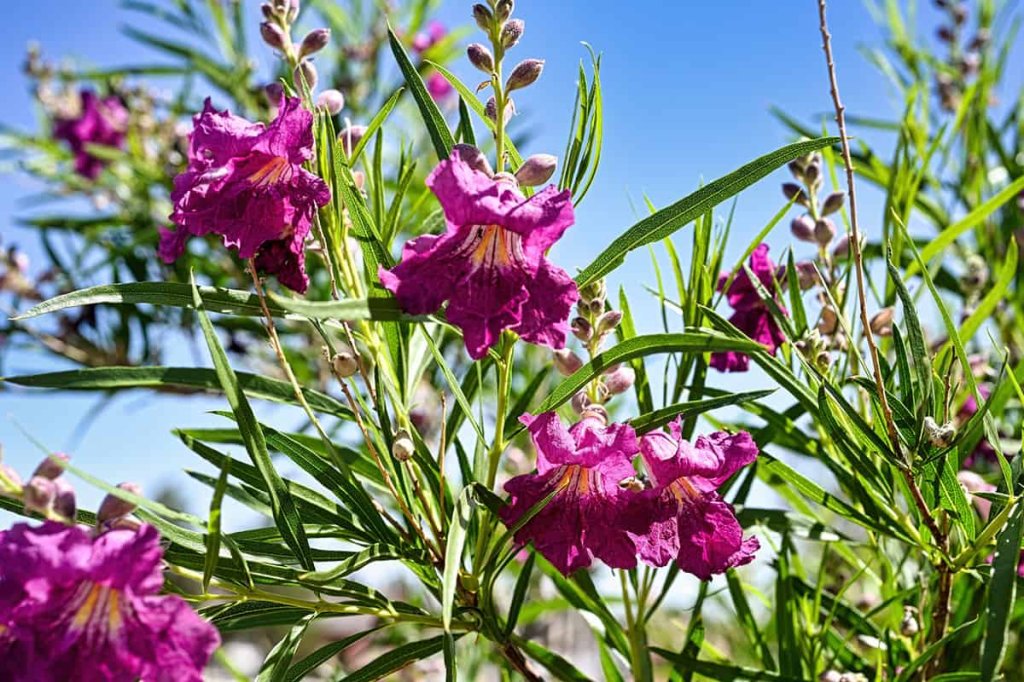
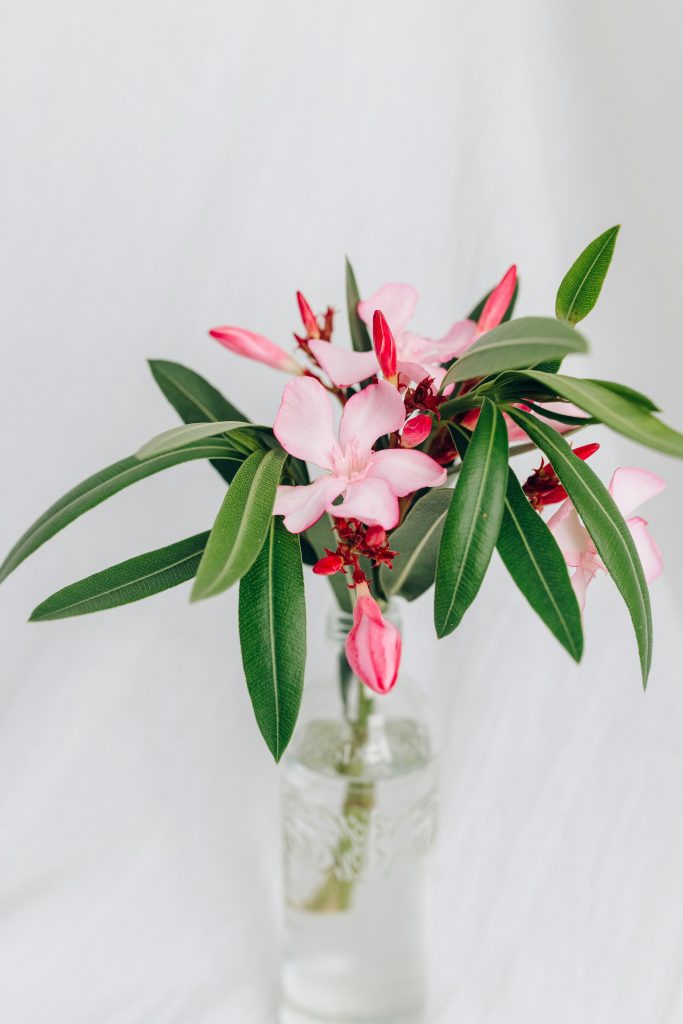
Oleander is an evergreen shrub that can masquerade as a small tree, topping out at 6–20 ft (2–6 m) depending on how generously you prune—or how studiously you ignore it. Leaves are long, leathery, and reminiscent of olive green bayonets. Flowers arrive in clusters that look like tiny tropical fireworks: classic hot pink, but also white, coral, salmon, butter-yellow, and even a double-flowered cherry red that would make a Valentino gown jealous.
Climate-wise, oleander is the ultimate snowbird. It thrives in USDA Zones 8b–11 and across Mediterranean Europe, coastal Australia, and anywhere winter lows stay above 15°F (-9°C). If you garden in Zone 7, you can still play—just treat it like a temperamental celebrity and roll out the red-carpet protection when frost threatens.
At the nursery, choose plants with firm, unblemished stems and zero sticky residue (a calling card of aphids). Potted specimens establish faster than bare-root ones, especially if roots are circling the pot like marathoners—just tease them apart before planting. And remember: every part of oleander is poisonous. According to the CDC, ingesting a single leaf can drop a horse faster than a barbiturate cocktail. Translation: channel your inner surgeon and glove up before any handling.
Planting Oleander for Success
Site selection is 90% of the battle. Oleander wants full sun—think “beach-goer chasing the last rays”—and at least six hours of direct light. Give each shrub 6–10 ft of elbow room; cramped quarters reduce airflow and invite disease faster than a toddler shares sniffles.
Plant in spring after the soil hits 60°F (16°C) or in early fall at least eight weeks before your first frost. Both windows let roots settle before summer swelter or winter chill.
Soil should drain faster than a colander. If your earth is the heavy clay variety (lookin’ at you, parts of Texas and England), amend a planting zone three times wider than the root ball with 30% coarse grit or composted bark. Aim for a pH between 6.5 and 7.5—oleander isn’t picky, but soggy feet make it sulk.
Planting 101: dig a hole twice as wide and exactly as deep as the container. Slide the plant out, tickle circling roots, and position so the crown sits 1 in (2.5 cm) above grade. Backfill halfway, water to settle, finish backfilling, then create a saucer-shaped berm for irrigation. Finally, give it a slow, deep drink—think “spa day,” not “flash flood.”
Essential Oleander Care Practices
Watering: for the first season, irrigate deeply once a week; thereafter, oleander is practically camel-like. In pots or extreme heat, bump to twice weekly. Leaves turning yellow and dropping? You’re auditioning for “Swamp Thing.” Crispy edges? Time to up the H₂O.
Fertilizer: a balanced slow-release 10-10-10 or, better yet, one geared to flowering shrubs (e.g., 15-9-12) applied in early spring and midsummer keeps blooms popping. Scratch a handful around the drip line, water in, and call it breakfast.
Pruning: right after the first big flush—usually late spring—grab sterilized bypass pruners (and goggles; sap can spray). Remove one-third of old canes at the base for rejuvenation, snip spent flower clusters just above a leaf node, and shape like you’re sculpting a loose gumdrop, not a topiary poodle. Always wear gloves, long sleeves, and channel your inner Breaking Bad: no food, no smoke breaks, and triple-bag clippings for the trash.
Mulch: a 2-inch layer of shredded bark keeps roots cool and suppresses weeds. Keep it 3 in away from the trunk—no mulch volcanoes, please; oleander hates wet necks as much as vampires do.
Managing Common Oleander Problems
Pests: oleander aphids (neon yellow, in clumps) can be hosed off or treated with insecticidal soap. Scale resembles tiny brown limpets—wipe with cotton dipped in 70% isopropyl. Orange-striped oleander caterpillars—aka “polka-dot wasp moth larvae”—defoliate fast; hand-pick or spray Bacillus thuringiensis (Bt) at dusk.
Disease: oleander leaf scorch, caused by the bacterium Xylella fastidiosa, shows up as burnt-looking leaf margins and branch dieback. Think of it as the plant version of clogged arteries; there’s no cure. Remove and destroy infected plants to protect nearby shrubs, as recommended by University of California Agriculture & Natural Resources.
Environmental stress: frost damage turns stems to mush. Wait until spring growth starts, then prune back to green wood. Drought stress manifests as stunted bloom; deep, infrequent soaks correct the issue faster than daily sprinkles.
No flowers? Culprits include too much shade, excess nitrogen (hello, lawn fertilizer overspray), or pruning too late in summer and nixing next year’s buds. Aim for sun, a bloom-booster formula, and early-season snips.
Winter Care & Protection (Where Applicable)
In Zone 8a or marginal microclimates, water well before the first hard freeze, then wrap young plants with burlap and a 3–4 in layer of leaf mulch around the base. For container specimens, simply roll the pot into an unheated garage or bright laundry room once nightly lows dip below 25°F (-4°C). Water sparingly—think “houseplant cactus”—and shove them back outside when spring nights stay above 40°F (5°C).
Propagating Oleander Plants
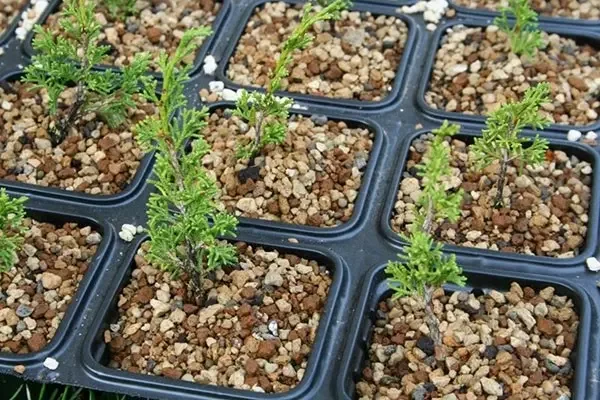
Want free shrubs? Semi-ripe cuttings taken June–August root in four weeks. Select non-flowering stems, cut 6 in (15 cm) pieces, strip lower leaves, and dip the base in rooting hormone. Slide into a 50/50 mix of perlite and peat, mist, and park in bright shade. Once roots peek out the drainage holes, graduate to individual pots. Voilà—baby Bond shrubs ready for espionage.
Advanced Tips for Thriving Oleanders
For maximum blooms, withhold water slightly in early spring—mild stress forces flower initiation—then resume normal irrigation once buds show.
Container growing: choose a pot at least 16 in (40 cm) wide with multiple drainage holes. Use a gritty cactus mix elevated on pot feet; oleander despises saucers of stagnant water. Feed every six weeks with a high-potassium liquid to offset frequent leaching.
Suckers: those whip-like shoots from the base? Snap them off unless you want a thicket. Maintain one to three main trunks for a tree-form silhouette worthy of a Mediterranean villa.
Long-term health: every three years, scratch a cup of gypsum into compacted soil to improve drainage, and inspect trunks for longitudinal cracks—an early red flag for leaf-scorch bacteria.
Frequently Asked Questions (FAQ)
How often should I water my oleander? First year: weekly deep soak. Established: every 10–14 days, more in pots or 100°F heat waves.
Is oleander poisonous to pets and humans? What are the symptoms? Yes—leaves, stems, sap, even nectar. Ingestion can trigger nausea, irregular heartbeat, and in severe cases, death. Pet Poison Helpline lists vomiting and tremors in dogs within 30 minutes. Call poison control or your vet immediately if exposure occurs.
Why is my oleander not flowering? Usually shade, excess high-nitrogen fertilizer, or late pruning. Maximize sun, switch to bloom-booster feed, and prune right after the first flush.
Can I grow oleander in a cold climate? Zones 6 and below? Only as a patio container that winters indoors; otherwise, oleander becomes an expensive annual.
How do I safely dispose of oleander clippings? Never burn (toxic smoke) or compost. Double-bag and place in household trash.
What are the best companion plants for oleanders? Think drought-tough Mediterranean buddies: lavender, rosemary, rockrose, and ornamental grasses. All enjoy the same sunny, well-drained swagger.
References & Further Reading
For deeper dives, consult the Mayo Clinic guide on plant poisoning first aid, the Royal Horticultural Society’s profile on Nerium, and the University of California’s Integrated Pest Management pages for oleander pests. Bookworms will enjoy “Meditanean Gardening” by Heidi Gildemeister and “The Dry Garden” by Beth Chatto—both classics for water-wise inspiration.
Conclusion
Mastering how to grow and care for oleander plants successfully is part horticulture, part thrill-seeking. Give it sun, drainage, and a respectful distance from curious mouths, and oleander will reward you with months of Technicolor blooms and the kind of bullet-proof vigor that makes black-thumbed gardeners feel like pros. Just remember: admire its beauty, handle with gloves, and keep the clippings far away from the compost pile—and your morning smoothie. Happy (and safe) gardening!